HealthAssure
The Role of Safety Committees in Reducing Workplace Injuries
The Role of Safety Committees in Reducing Workplace Injuries
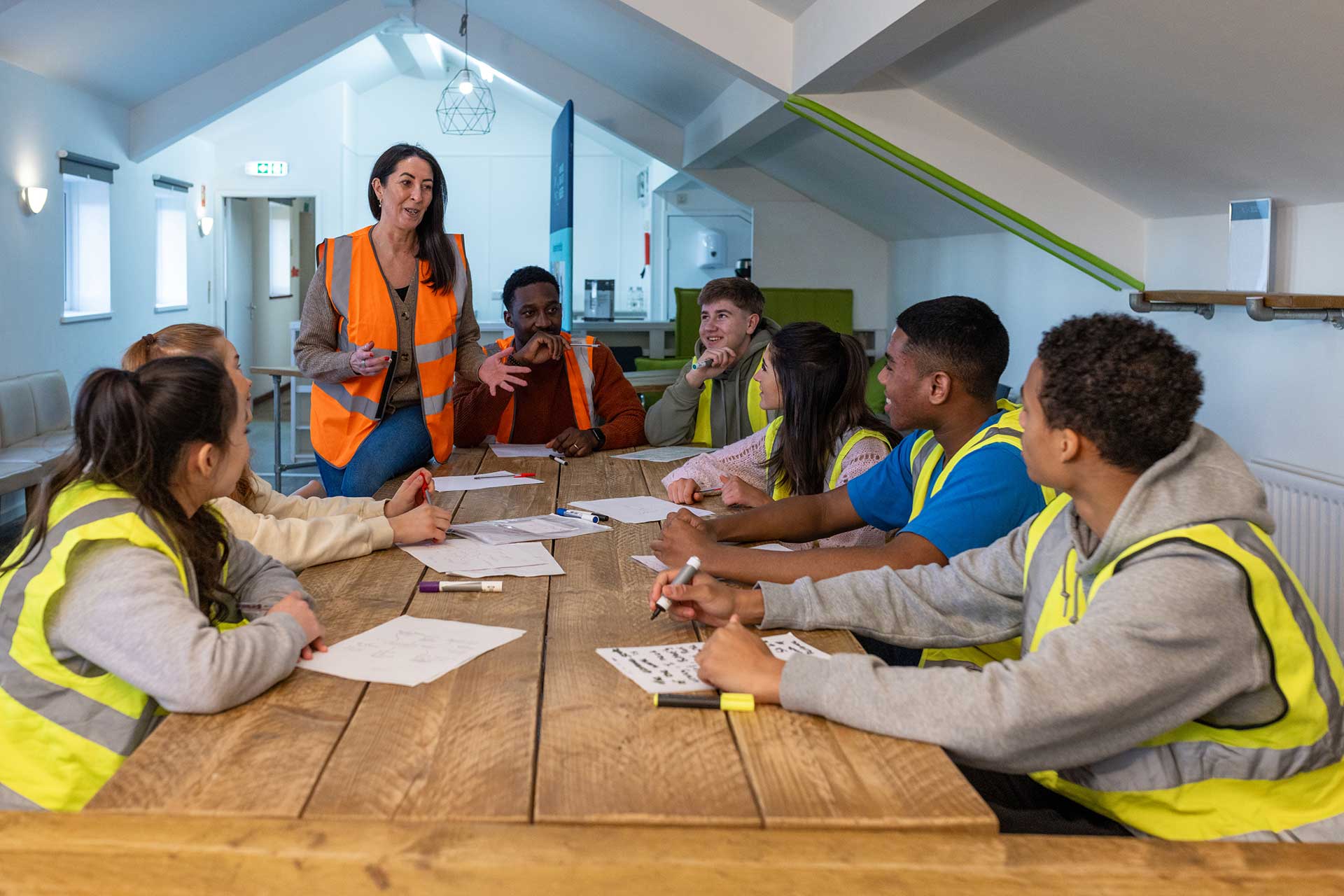
A safety committee is a group within a business dedicated to identifying and addressing workplace health and safety hazards. Comprising representatives from various departments, these committees serve as a collaborative platform where employees and management work together to promote a safe and healthy work environment.
Establishing effective safety committees is crucial for businesses aiming to reduce workplace injuries and ensure compliance with regulatory standards. These committees serve as a collaborative platform for identifying hazards, implementing safety protocols, and fostering a culture of safety.
Why Businesses Need Safety Committees
Establishing a safety committee provides numerous advantages that enhance both employee well-being and business performance:
- Enhanced Safety Culture: By involving employees in safety discussions, businesses foster a culture where safety is prioritized, leading to increased awareness and proactive hazard identification (1).
- Regulatory Compliance: Safety committees help ensure adherence to federal and state health and safety regulations, reducing the risk of legal penalties (2).
- Reduction in Workplace Injuries: Active safety committees contribute to a decrease in workplace injuries and illnesses, enhancing employee well-being and productivity (3).
- Decrease in Injury Costs: Effective safety committees lead to substantial reductions in injury-related costs, alleviating financial burdens associated with workplace incidents (4).
- Improved Communication: Safety committees facilitate open dialogue between employees and management, ensuring that safety concerns are promptly addressed (5).
Incorporating a safety committee is not merely a regulatory formality. It is a strategic initiative that significantly enhances overall business performance by safeguarding employee well-being. Safety committees serve as a proactive measure to identify and mitigate potential hazards, ensuring a safer work environment. This proactive approach not only protects employees but also contributes to the organization's efficiency and reputation, leading to sustained success.
How Safety Committees Support OSHA Compliance and State Safety Standards
Beyond these internal benefits, safety committees also play a pivotal role in aligning organizational practices with key external safety standards:
- OSHA’s Emphasis on Worker Participation: OSHA identifies worker involvement as a core element of its recommended practices for safety and health programs. Safety committees support this by providing a structured way for employees to take part in identifying hazards, shaping safety procedures, and participating in ongoing program improvements (6).
- OSHA’s Voluntary Protection Programs (VPP): Companies with strong safety committees often meet the criteria for OSHA’s VPP, which recognizes exceptional safety and health management systems that include employee participation (7).
- Compliance with State Requirements for Safety Committees: In states like Washington, Oregon, Nevada, and Minnesota, safety committees are a legal requirement, not just a best practice. These states mandate regular safety meetings or formal committees based on company size and industry. A well-run committee helps meet these standards, supports a stronger safety culture, and may qualify businesses for workers’ comp premium reductions.
By integrating safety committees into your operations, you’re not only improving internal communication and injury prevention, you’re also building alignment with recognized best practices and frameworks for workplace safety.
Challenges in Establishing Effective Safety Committees
While safety committees offer significant benefits, organizations may face several challenges when implementing them:
- Employee Distrust: Workers may be skeptical about the committee's intentions, especially if past initiatives lacked transparency or genuine commitment.
- Atmosphere of Fear: A workplace culture where employees fear retaliation for speaking up can hinder open discussions about safety concerns.
- Lack of Leadership Support: Without active endorsement and participation from leadership, safety committees may struggle to effect meaningful change.
- Insufficient Training: Committee members without proper training may lack the skills necessary to identify hazards and recommend effective solutions.
- Resource Constraints: Small and mid-sized businesses may lack the necessary resources to maintain an effective safety committee.
Addressing these challenges requires a proactive approach, including building trust, fostering open communication, securing leadership support, providing adequate training, and allocating necessary resources.
How GMG EnviroSafe Assists Businesses in Implementing Effective Safety Committees
We understand the critical role that safety committees play in promoting a safe work environment. Through our HealthAssure® program, we offer comprehensive services designed to assist businesses in establishing and maintaining effective safety committees:
- Customized Safety Programs: We collaborate with businesses to develop safety programs tailored to their industry and operational needs, ensuring alignment with OSHA requirements and industry best practices.
- Employee Training: Our team of EHS experts provides tailored training programs to equip employees with the necessary knowledge and skills for performing their jobs safely and effectively.
- Ongoing Support: GMG EnviroSafe provides ongoing, on-site assessments to help keep your safety committee effective and aligned with real-world conditions. Our team visits your facility, speaks directly with employees, and gathers actionable feedback to ensure your committee is addressing the most relevant safety concerns.
Elevate Workplace Safety and Compliance with Effective Safety Committees
Implementing a well-structured safety committee is a strategic move that not only enhances employee well-being but also ensures adherence to OSHA. By fostering a culture of safety, these committees contribute to reduced workplace injuries and operational efficiency.
At GMG EnviroSafe, we specialize in supporting businesses in the development and maintenance of effective safety committees through our HealthAssure® program. We provide customized programs, comprehensive training, and ongoing support. Partner with us to create a safer, more compliant workplace that benefits both your employees and your bottom line.
Sources
(1) Amerisafe Group. (2020). The Importance of Safety Committees in Your Organization. Retrieved from https://amerisafegroup.com/the-importance-of-safety-committees-in-your-organization/
(2) Wolters Kluwer. (2014). Safetip #15: Define the Purposes of a Safety Committee. Retrieved from https://www.wolterskluwer.com/en/expert-insights/safetip-15-define-the-purposes-of-a-safety-committee
(3) Marsh & McLennan Agency. (2022). Safety Committees: It's More Than a Requirement, It's Good Business. Retrieved from https://www.marshmma.com/us/insights/details/safety-committees-its-more-than-a-requirement-its-good-business.html
(4)Johnson, M. S., Toffel, M. W., & Levine, D. I. (2012). Randomized Government Safety Inspections Reduce Worker Injuries with No Detectable Job Loss. Science, 336(6083), 907-911. doi:10.1126/science.1215191 https://en.wikipedia.org/wiki/Occupational_Safety_and_Health_Administration
(5) SFM Mutual Insurance Company. (2023). Expert Tips and Best Practices to Make Your Safety Committee Thrive. Retrieved from https://www.sfmic.com/expert-tips-to-make-your-safety-committee-thrive/
(6) Occupational Safety and Health Administration (OSHA). (2016). Recommended Practices for Safety and Health Programs. Retrieved from https://www.osha.gov/safety-management
(7) Occupational Safety and Health Administration (OSHA). (n.d.). Voluntary Protection Programs (VPP). Retrieved from https://www.osha.gov/vpp