General
Safety Committees and Ergonomics: Turning Worker Input Into Better Controls
A safety committee can help an employer find ergonomic problems that don't show up in injury logs, inspections, or written procedures. Workers know which lifts feel unstable, which reaches become harder late in a shift, and which workarounds keep production moving. That knowledge is valuable. Collecting it is the first step toward controlling the hazard.
Committee discussion should lead directly into evaluation and action. Worker input needs to reach people who can evaluate the work, choose and implement a practical control, provide the necessary resources, and confirm that the change helped.
Start With the Work as It Is Actually Done
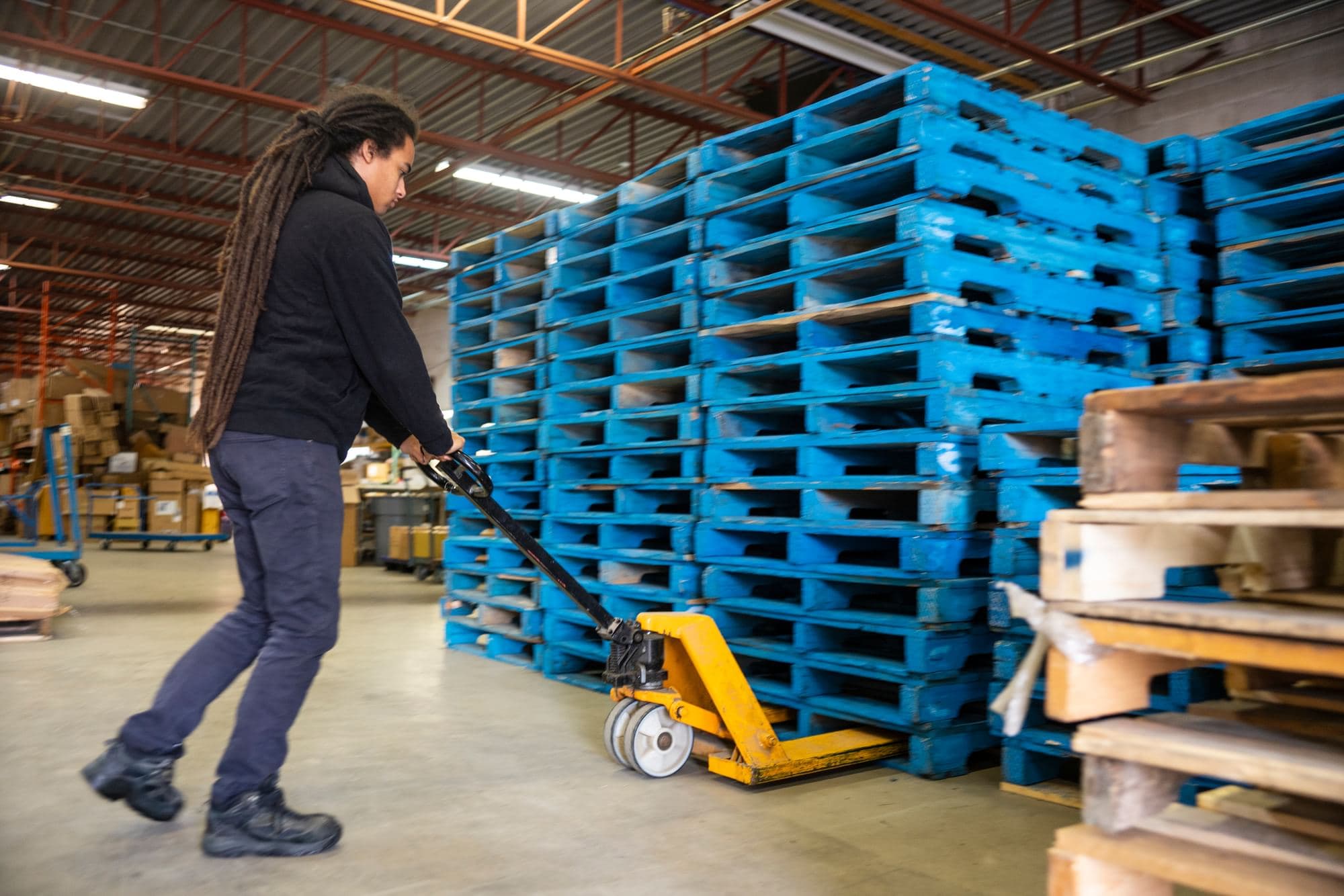
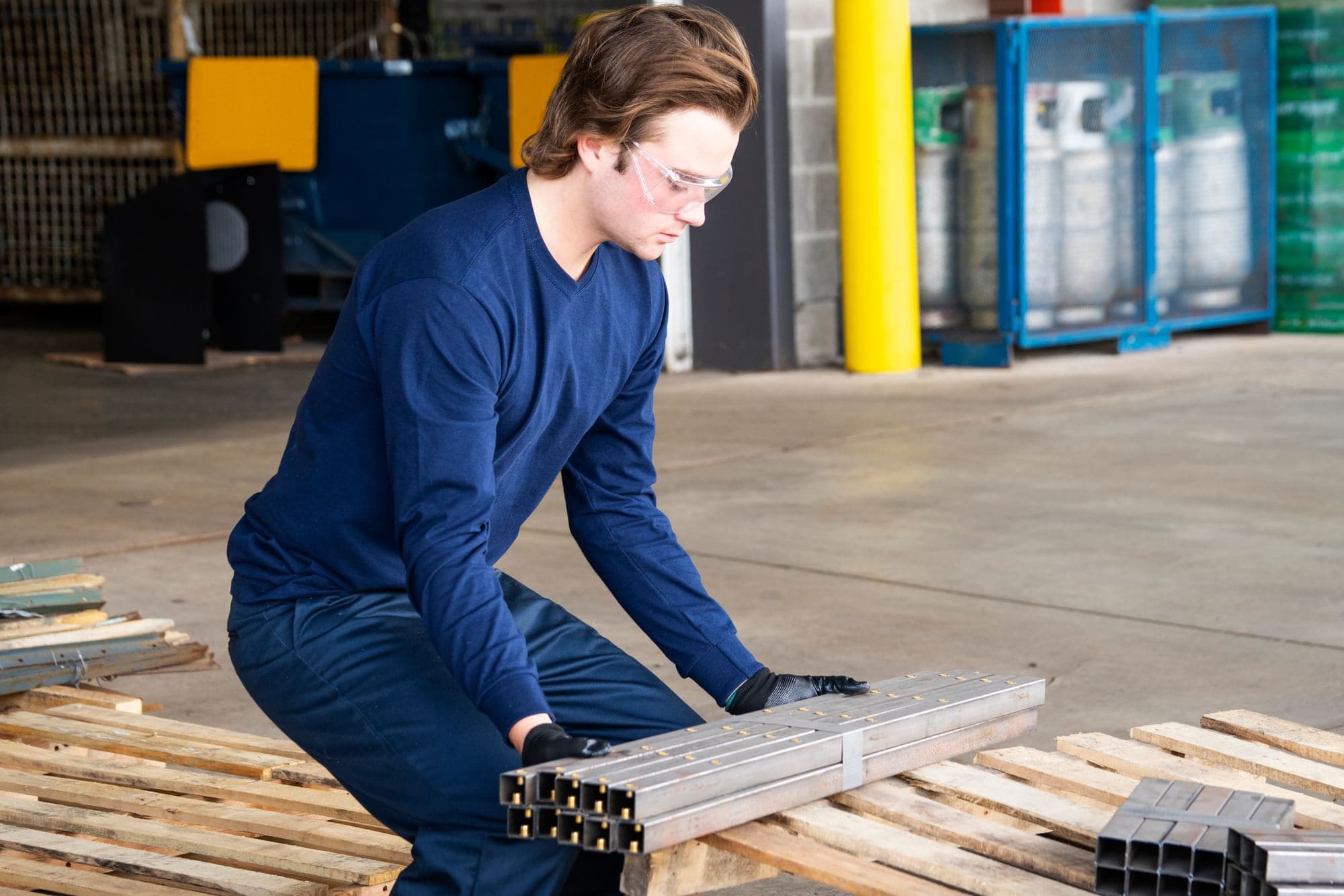
Ergonomic concerns often build through repetition, force, awkward posture, vibration, contact stress, or long periods in one position. A procedure may look reasonable while the task itself requires workers to twist around stock, reach across equipment, lift from a poor height, or repeat the same motion faster than expected.
A committee can help reveal that difference by asking specific questions:
- Which task or part of the task is difficult?
- When does it become difficult?
- What load, reach, grip, pace, tool, or workstation feature contributes to the problem?
- What workaround are workers already using?
- Does the problem affect one job, one shift, or several parts of the operation?
The committee should look beyond the most vocal employees. New hires, experienced workers, temporary workers, maintenance staff, and employees on less-visible shifts may experience the same task differently. Participation works best when workers can report concerns without fear of retaliation and can see that useful reports receive a response.
Turn Each Report Into a Management Decision
A committee can identify patterns and help develop options. Management still owns the decisions that require authority, budget, staffing, engineering review, purchasing, scheduling, or changes to production.
That boundary should be clear. Otherwise, a concern may remain on the minutes for months while everyone assumes someone else is handling it.
A simple action record can keep the work moving. For each concern, capture:
- The task and condition being reviewed
- Who will evaluate it
- Whether an interim measure is needed
- The control options considered
- The person authorized to approve the change
- The target date
- How the result will be checked with workers
If a recommendation is delayed or rejected, record why. A clear explanation protects trust better than silence and may point the committee toward a more workable option.
Prioritize Controls That Change the Task
Ergonomic discussions can drift toward reminders to "lift correctly," stretch, rotate jobs, or work more carefully. Those steps may support the process. When you can improve the equipment, layout, load, reach, pace, or process, the review should address the work itself.
The hierarchy of controls provides a practical order for evaluating options. First consider whether the hazardous task or motion can be eliminated. Then consider substitution and engineering changes, followed by administrative controls and personal protective equipment. In ergonomic work, higher-level options might include reducing the weight or size of a load, changing the height or location of materials, using a lift or positioning device, redesigning a handle, or changing the task sequence.
The committee does not need to design equipment or make technical judgments beyond its competence. It should help management understand the work, compare options, and bring the right people into the decision.
Close the Loop With Workers
A control is not finished when it is purchased or installed. The employer should check whether it is available, used as intended, and effective under normal working conditions.
Ask the workers who perform the task:
- Did the change reduce the force, reach, repetition, or awkward posture?
- Did it create a new pinch point, visibility issue, handling step, or production problem?
- Can every affected shift use it?
- Is training or adjustment still needed?
The answers may support the original control, reveal a needed correction, or show that a temporary measure has quietly become permanent. Closing the loop also shows workers that reporting a concern can lead to a real decision.
Keep Committee Records Focused
The committee should document workplace conditions and corrective actions, not diagnose employees or circulate personal medical details. Individual symptoms may need to move through the employer's established reporting, medical, accommodation, or recordkeeping process. Committee notes can stay focused on the task, the reported condition, the evaluation, and the action taken.
OSHA's recommended practices encourage management leadership and worker participation, but they are advisory. Separate legal requirements may apply depending on the employer's jurisdiction, industry, workforce, and the facts of the situation. Employers in OSHA-approved State Plan jurisdictions should confirm the rules that apply to them rather than treating the committee itself as proof of compliance.
Make the Committee a Working Control Process
A useful safety committee gives worker observations a reliable path into hazard evaluation and management action. It does not replace leadership, technical expertise, or the employer's responsibility to provide a safe workplace.
When concerns are specific, ownership is clear, controls are prioritized thoughtfully, and workers are included in follow-through, the committee becomes more than a meeting. It becomes a practical way to improve how ergonomic risks are found and addressed.
GMG EnviroSafe can help organizations assess workplace conditions, organize corrective actions, and connect worker participation to broader environmental, health, and safety follow-through.
Sources
(1) Occupational Safety and Health Administration. Recommended Practices for Safety and Health Programs. https://www.osha.gov/safety-management
(2) Occupational Safety and Health Administration. Ergonomics. https://www.osha.gov/ergonomics
(3) National Institute for Occupational Safety and Health. About Hierarchy of Controls. https://www.cdc.gov/niosh/hierarchy-of-controls/about/index.html
(4) Electronic Code of Federal Regulations. 29 CFR 1904.29, Forms. https://www.ecfr.gov/current/title-29/section-1904.29
(5) Electronic Code of Federal Regulations. 29 CFR 1910.1020, Access to Employee Exposure and Medical Records. https://www.ecfr.gov/current/title-29/section-1910.1020
(6) Occupational Safety and Health Administration. State Plans Frequently Asked Questions. https://www.osha.gov/stateplans/faqs