Navigating Food Safety Compliance: Guidelines for EHS Professionals in Commercial Printing
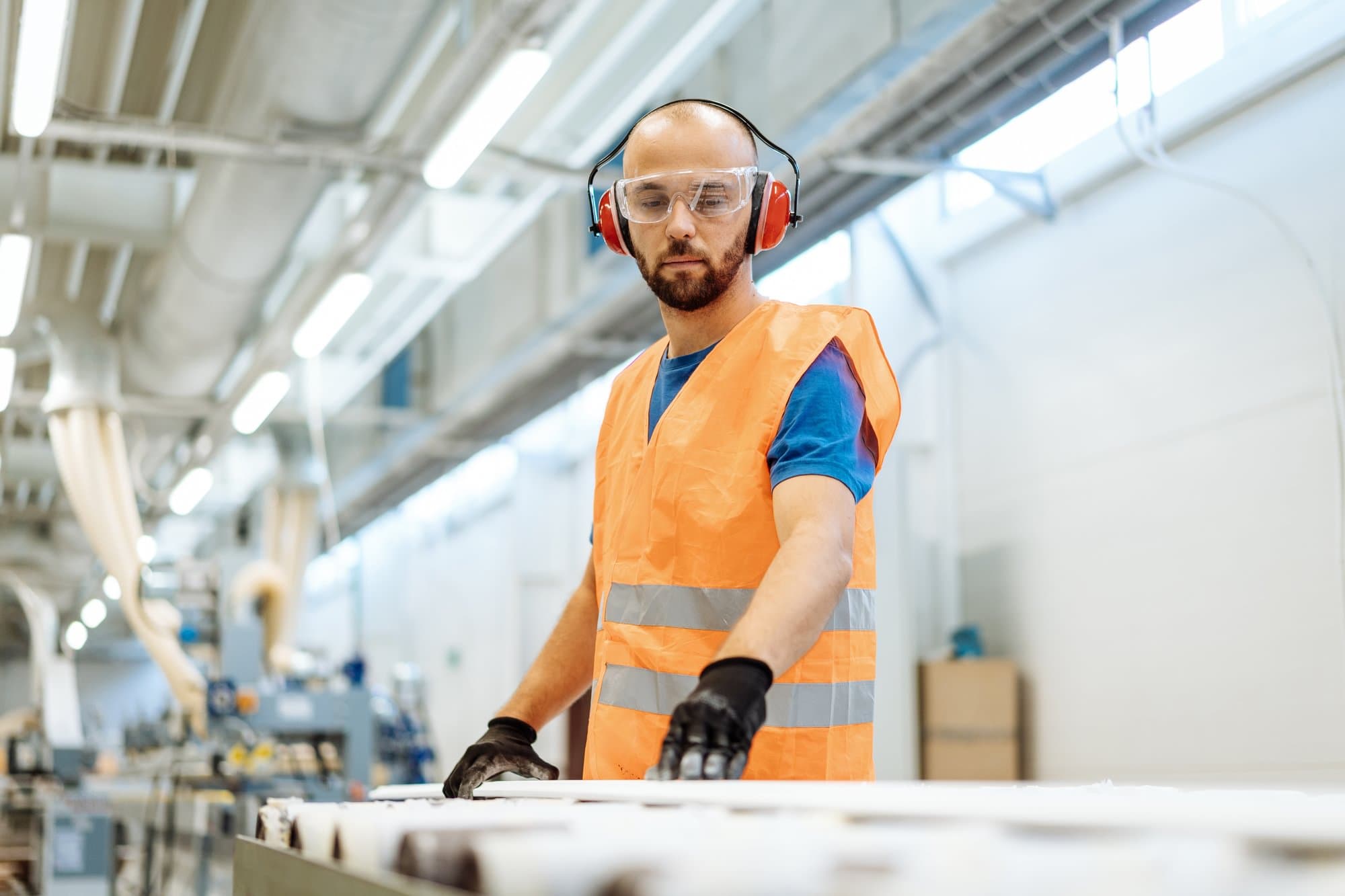
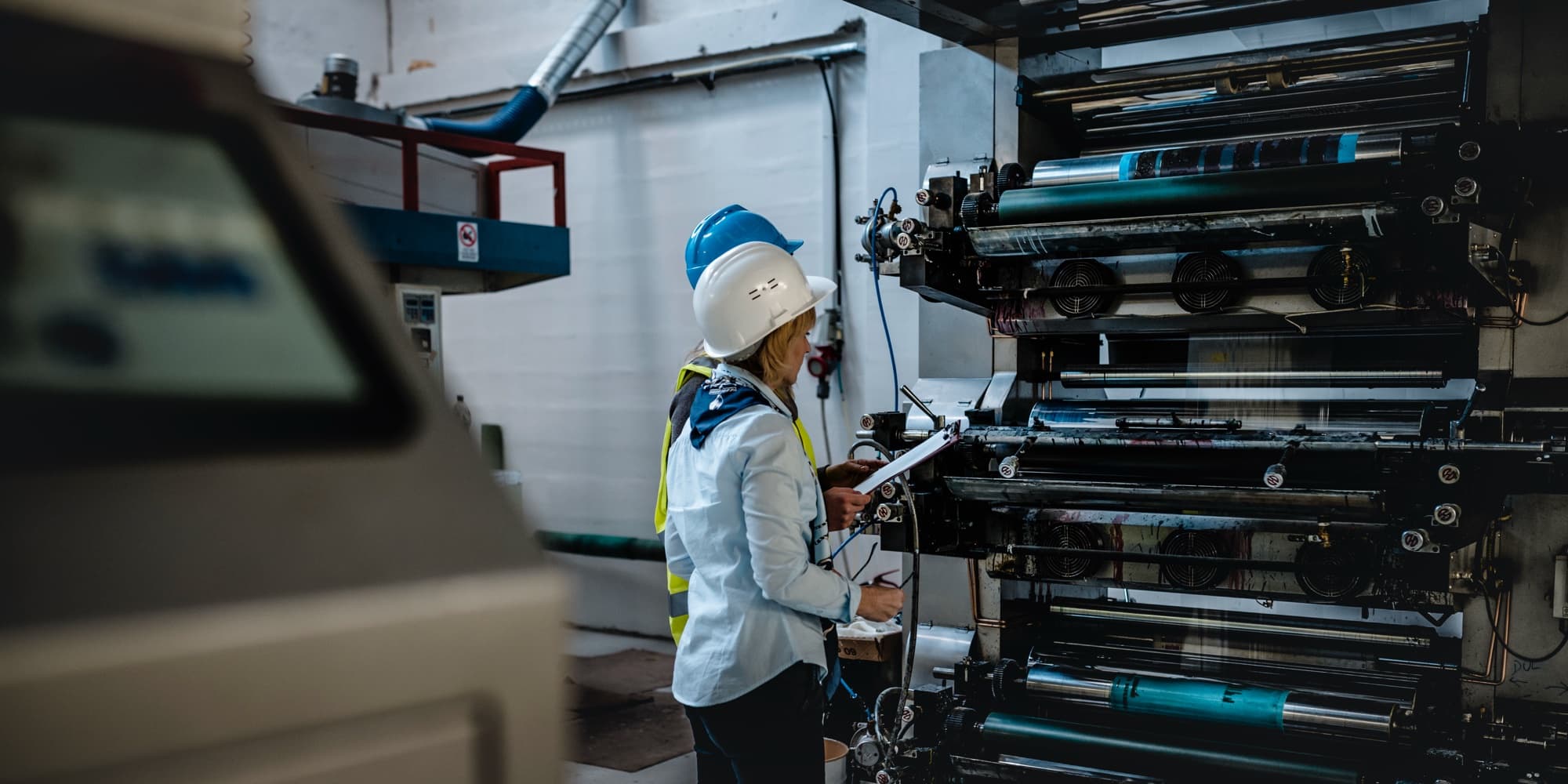
In the commercial printing industry, ensuring food safety compliance is crucial for maintaining a hygienic work environment and producing high-quality prints. In addition to that, having food around the work environment is not safe and violates regulatory compliance. Think about it, if you are working on a print job, cross-contamination may happen, and materials and equipment may become damaged, or food and beverages may be contaminated with chemicals.
Food safety guidelines not only protect employees but also safeguard the printing process, ensuring that it is done correctly and effectively. Not following these rules can lead to consequences like product recalls, legal issues, and damaging the company's reputation.
But when safety measures for food are implemented, commercial printing professionals can create a culture where everyone is responsible, safe, and held accountable.
Let's take a close look at how to navigate food safety compliance for commercial printing facilities and lay some ground rules for the do’s and don'ts.
The Do's: Fostering a Safe and Compliant Printing Environment
Before we share what not to do, let's focus on what your facility can do.
This involves:
- Training your staff in safety protocols by educating employees on the importance of food/drink safety, proper handling of materials and chemicals, and the potential risks associated with non-compliance. Make sure to provide regular training sessions to reinforce best practices. Also, make sure a designated break room is assigned for eating only and not used for production.
- Cleaning and sanitizing equipment regularly by having a cleaning and sanitization schedule for all printing equipment, surfaces, and workstations. You'll need to include approved cleaning supplies and follow manufacturer guidelines to prevent cross-contamination.
- Storing printing materials properly by having a designated space for inks, chemicals, and other printing materials. Printing materials and areas for consuming food/drinks should be separated from the printing materials.
- Following hand hygiene guidelines by providing specific places for handwashing stations and encouraging employees to wash their hands before and after handling printing materials and chemicals.
- Water cooler dispensers are allowed on the production floor, but a water bottle must have a lid or cap.
The Don'ts: Avoiding Potential Food Safety Hazards
Now let's dive into the don'ts of what not to do when working on a print job. Some of these are simple.
Don’t:
- Leaving open drink containers in working or production areas to prevent accidental spills or cross-contamination with printing materials.
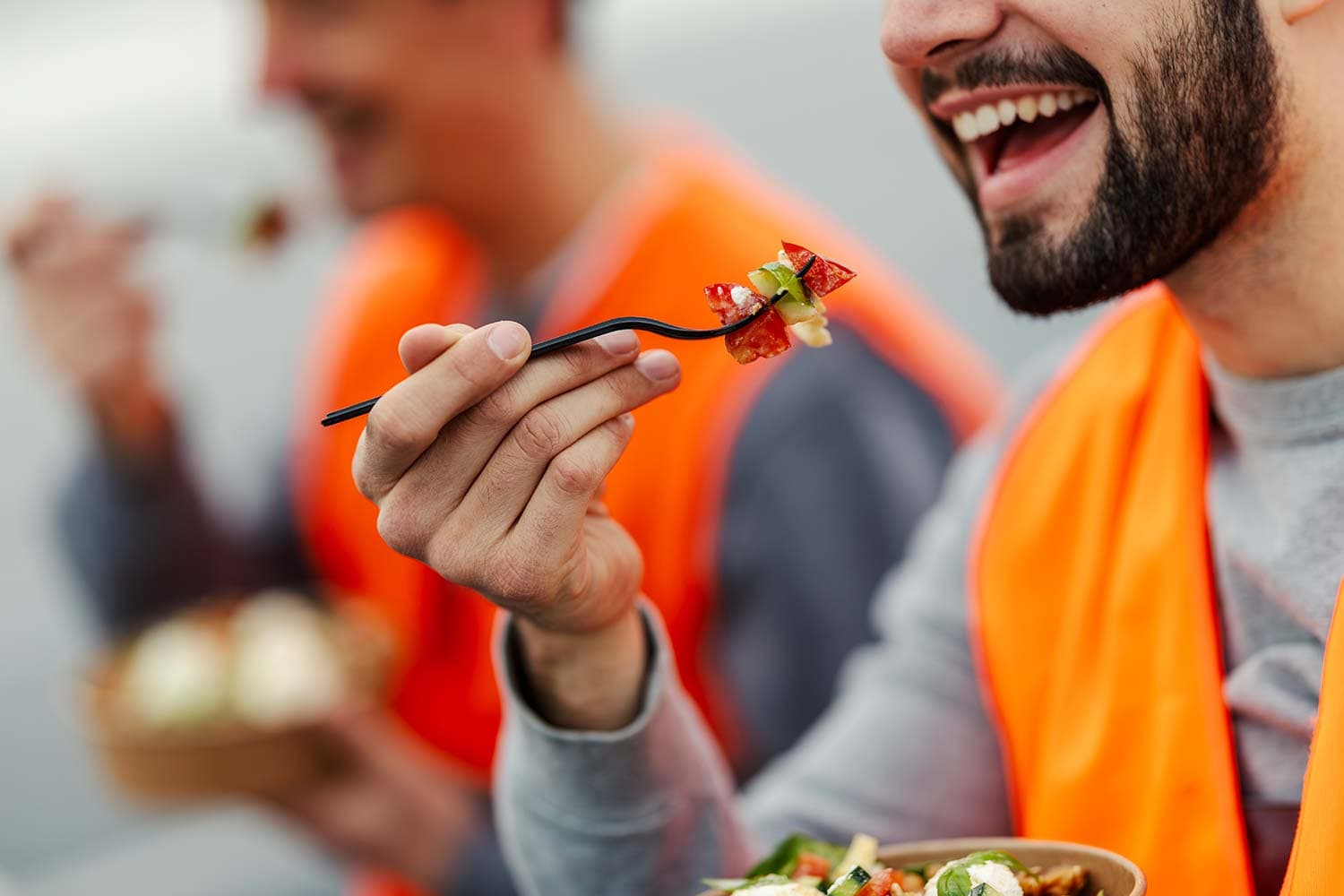
- Have food in production areas.
- Have microwaves, ovens, or refrigerators for food in the production area. They must be in designated eating and drinking areas only. (Any refrigerators used for chemicals must be labeled chemical only no food)
The bottom line is keeping food and drinks separated from the production area and double-checking that all surface areas are cleaned. This will save employees from getting sick from ingesting chemicals that are transferred onto their hands when touching their food.
Labeling Hazardous Communication around the Facility
When it comes to reminders, make sure hazardous signs are posted correctly and in designated locations: this means labeling visual reminders for food and drink compliance.
The point is, placing signs around the printing facility will help reinforce guidelines and best practices. All signs should be clear, concise, and easily visible, serving as reminders for employees to prioritize hygiene and safety.
Some of these examples could include:
- Handwashing Required Before Entering Production Area and Entering the Break Area
- No Food in Production areas
- Only Covered Drink Containers are Allowed
- Separate Clean and Dirty Materials
- Clearly Label the Breakroom
By adopting a proactive approach to food safety compliance, employees at commercial printing facilities can mitigate risks, protect employee well-being, and maintain the highest standards of quality and professionalism.
As EHS professionals with deep experience in the commercial printing industry, GMG EnviroSafe is here to help your facility meet regulatory requirements so employees can work safely and productively.
To learn more about how we help commercial printing facilities like yours, visit our website and book a consultation today.