Auto
Is Your Auto Repair Shop Ready for EV Service?
The repair order says brake inspection. The vehicle also has underbody damage and a battery warning. Before anyone moves it into a bay, the shop has another question: can this team perform this exact job on this exact vehicle in its current condition?
Electric vehicle (EV) readiness is a work-authorization decision. It depends on the task, the vehicle's condition, the technician's demonstrated capability, the current manufacturer procedure, and the controls available in the shop. A charger, insulated gloves, or one trained technician may be part of the answer. None of them settles it alone.
Decide Whether to Accept the Job Before Assigning It
Service advisors and managers need a consistent intake screen before the keys reach a technician. Start with the requested work, then look for conditions that could change the electrical risk:
- What year, make, model, and system are involved?
- Is the work unrelated to the high-voltage system, or could it disturb a high-voltage cable or component?
- Does the vehicle show collision or underbody damage, a battery warning, heat, smoke, unusual odor, or water exposure?
- Does the shop have the current original equipment manufacturer (OEM) procedure and the equipment it requires?
- Is an authorized technician available for the work the procedure calls for?
A routine service task on an undamaged vehicle may remain outside high-voltage work. The same task on a damaged vehicle may need a different bay, a different technician, emergency escalation, or referral. The repair order describes what the customer requested. It does not prove the vehicle is safe to handle as a routine job.
Follow the Current Procedure for the Vehicle and Task
There is no universal shutdown sequence for every EV. Technicians need to review the applicable OEM repair information, safety procedures, service bulletins, training, and precautions before service. The prescribed disabling method and waiting period can vary by vehicle. Tools, measurement steps, and the verification process can vary too.
Give the technician reliable access to the current procedure at the point of work. The shop should also control which version was used and what to do when the information is missing, unclear, or inconsistent with the vehicle's condition. Guessing based on a similar model is not a safe substitute.
Confirm the Shop Can Support the Technician
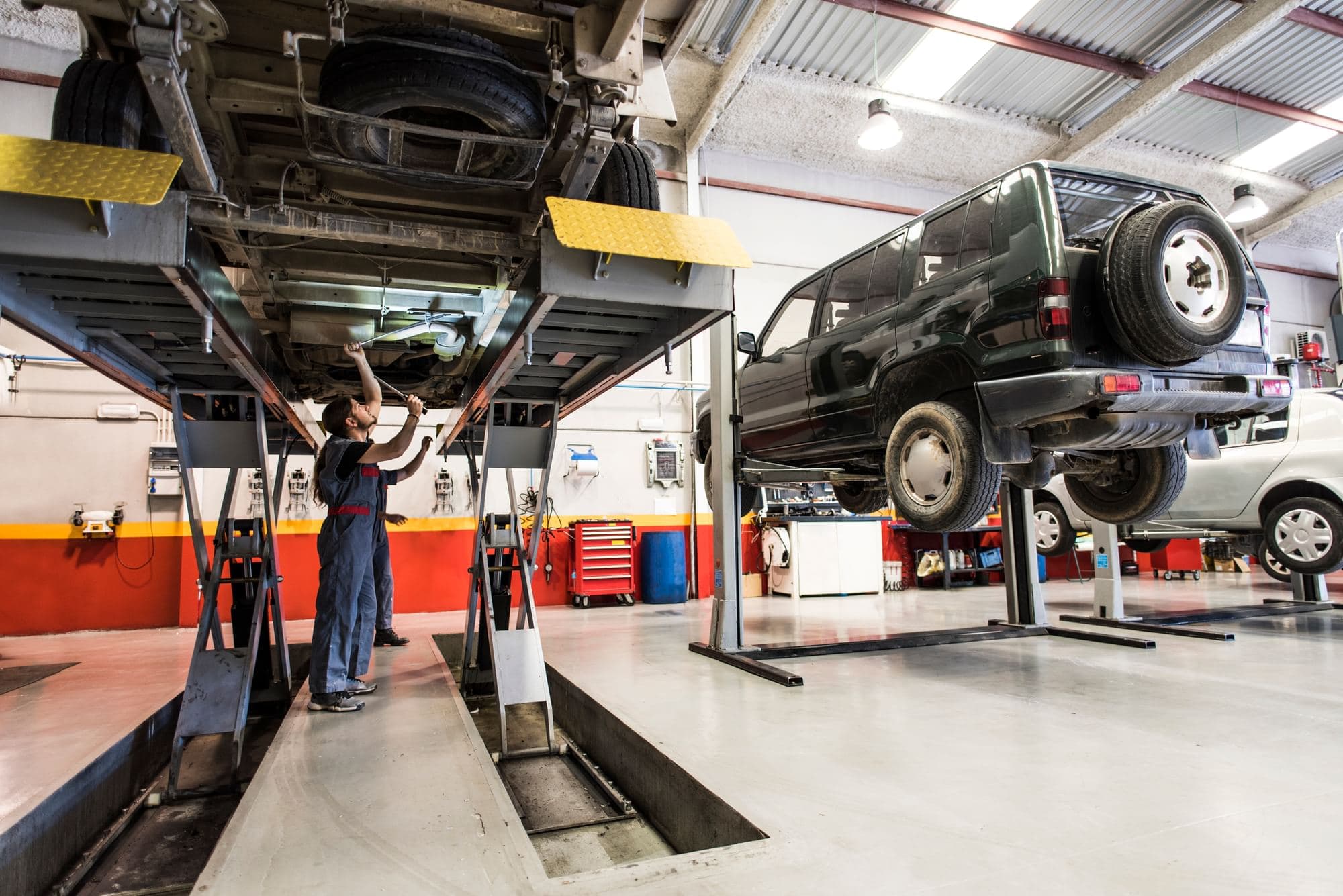
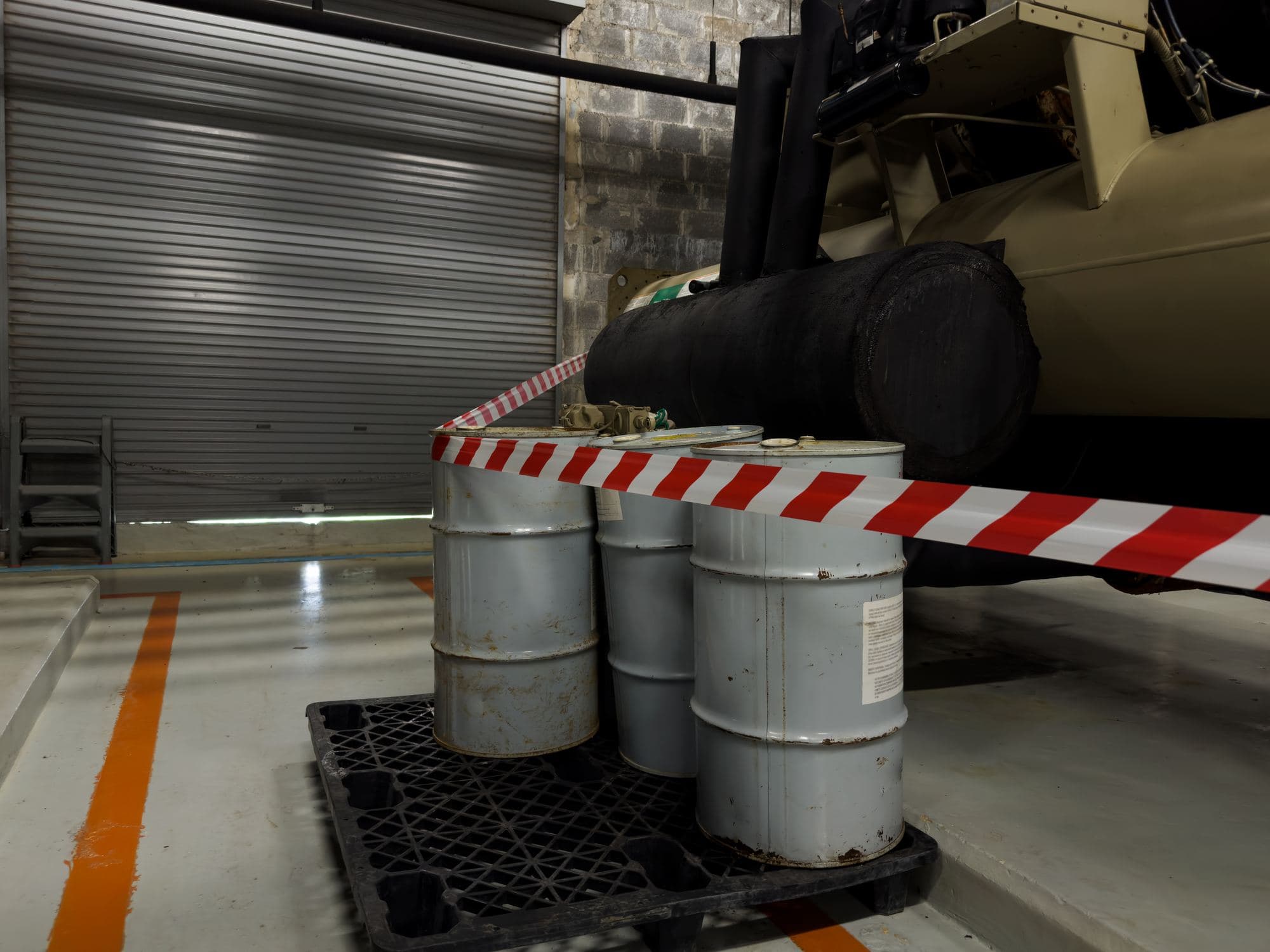
A technician may be capable, but the shop may not be ready to support the job. The bay and operating controls need to match the work being accepted. Depending on the task, this can include restricted access, signs and barriers, key control, nonconductive work surfaces, suitable lifting and battery-handling equipment, rated and inspected test instruments, serviceable personal protective equipment (PPE), and a plan for unattended work.
The Occupational Safety and Health Administration's general PPE standard requires employers to assess workplace hazards, select PPE that protects affected employees, ensure proper fit, and train employees on use, limitations, care, and maintenance. Damaged or defective PPE cannot be used. Insulating gloves and other electrical protective equipment are covered by a separate standard, 29 CFR 1910.137, which sets its own inspection and testing requirements. For EV work, a documented equipment-check process helps the shop confirm required equipment is appropriate and serviceable before the job starts.
Route Damaged Vehicles Separately
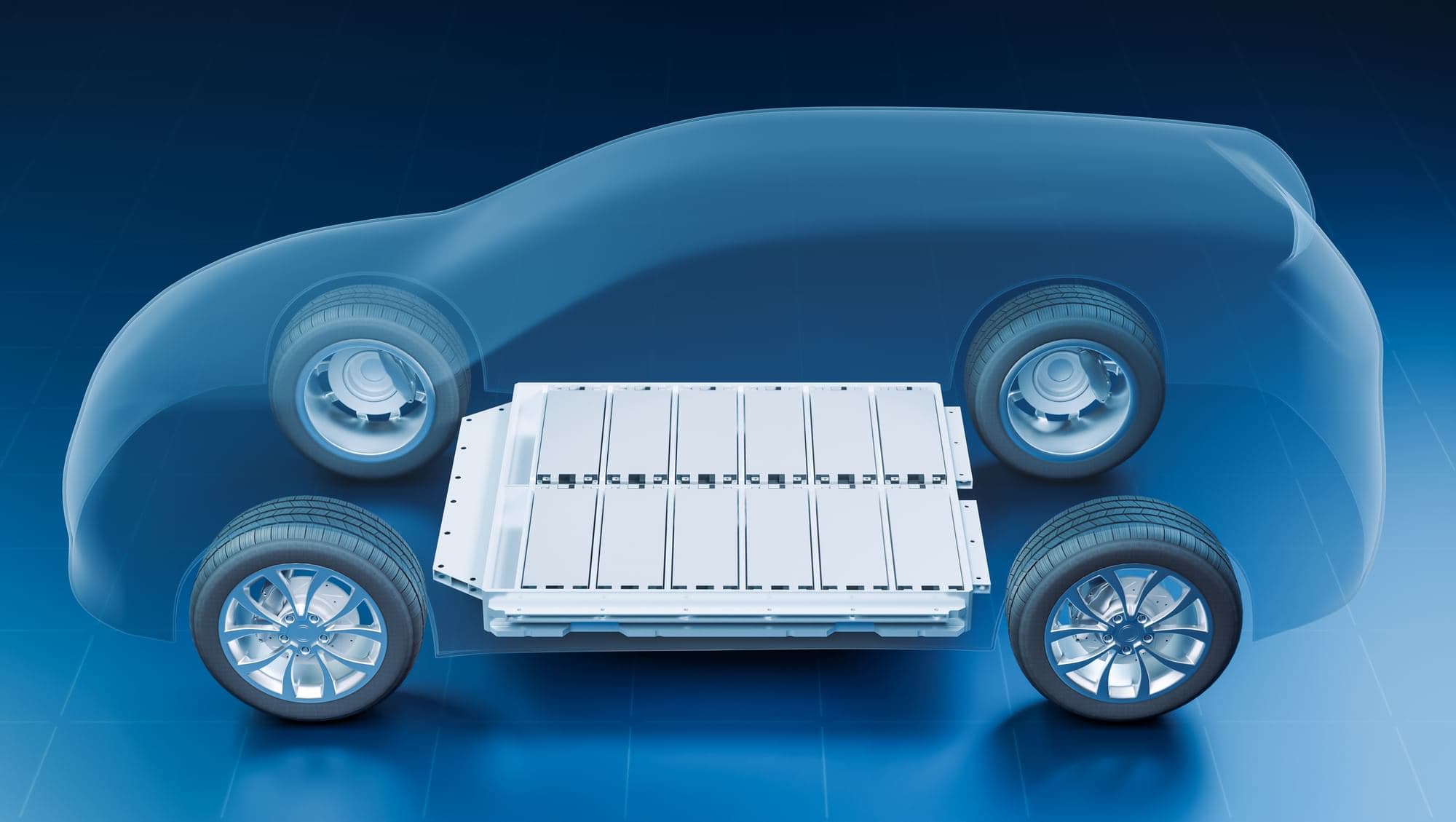
A collision, flood, fire, battery warning, unusual heat, smoke, odor, exposed cabling, or suspected battery damage should take the vehicle out of normal intake. The National Highway Traffic Safety Administration (NHTSA) advises treating a damaged high-voltage battery and associated components as energized and fully charged. Physical damage can lead to immediate or delayed release of toxic or flammable gases and fire.
The shop's damaged-vehicle route should identify who restricts the area, who calls emergency services when needed, which manufacturer or qualified service contact is used, and where the vehicle may be moved or stored. Employees should not improvise high-voltage handling while a customer waits at the counter.
Keep Removed Batteries Out of the Normal Waste Stream
An installed traction battery, a damaged vehicle, and a removed battery are not the same management problem. Once a business removes an EV battery and decides to discard it, waste rules become part of the decision.
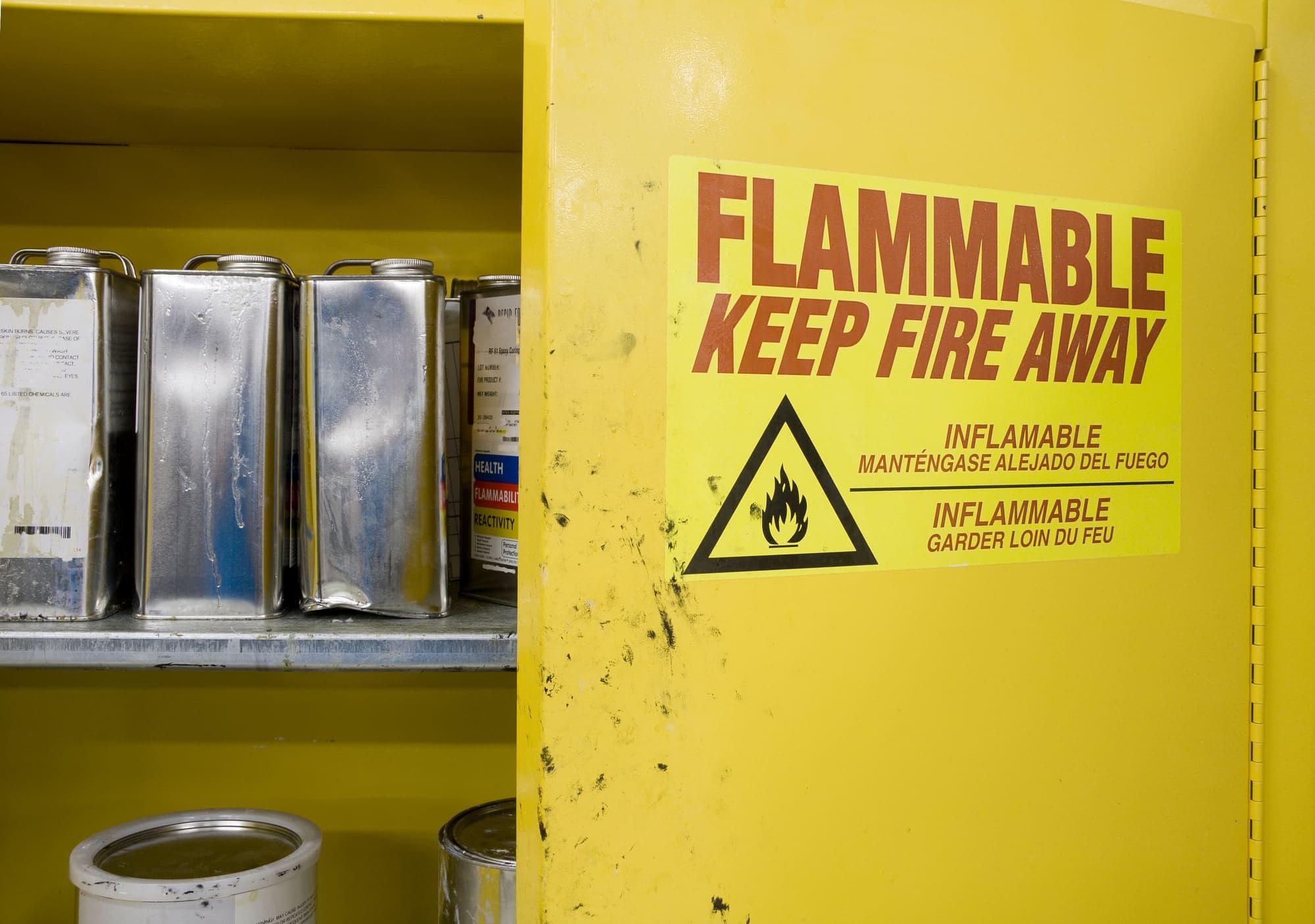
The U.S. Environmental Protection Agency (EPA) says EV batteries removed at an auto shop are not household hazardous waste. Most discarded lithium-ion batteries are likely hazardous because of ignitability or reactivity, and the EPA recommends businesses consider managing them under the federal universal-waste rules. A damaged battery with a breached cell casing cannot be managed as universal waste, and Department of Transportation shipping requirements apply separately. State requirements may be more stringent. A shop should establish its management and disposition route before a battery is waiting for an answer.
Make Stop-Work and Referral Decisions Clear
Stop the job and escalate when the vehicle's condition differs from intake, the current OEM procedure is unavailable, the task exceeds the technician's authorization, required PPE or test equipment is not serviceable, the bay cannot be controlled, or battery damage is suspected. Referral is a sound operating decision when another facility has the training, equipment, information, or emergency capability the job requires.
GMG EnviroSafe's EV Repair Resource Center currently provides an EV safety webcast, bilingual training modules, and a resource packet with procedure and PPE checklists, a decision guide, and an insulating-glove test log.
GMG can help your shop examine its EV training, PPE program, written procedures, and facility controls so managers can make a defensible accept, stop, or refer decision before work begins.
Sources
(1) National Highway Traffic Safety Administration. Electric and Hybrid Vehicles. https://www.nhtsa.gov/vehicle-safety/electric-and-hybrid-vehicles
(2) National Highway Traffic Safety Administration. Manufacturer Communications. https://www.nhtsa.gov/nhtsa-datasets-and-apis
(3) Occupational Safety and Health Administration. 29 CFR 1910.132, General Requirements. https://www.osha.gov/laws-regs/regulations/standardnumber/1910/1910.132
(4) U.S. Environmental Protection Agency. Lithium-Ion Battery Recycling Frequently Asked Questions. https://www.epa.gov/hw/lithium-ion-battery-recycling-frequently-asked-questions
(5) GMG EnviroSafe. Stay Safe When Repairing Electric Vehicles. https://www.gmgenvirosafe.com/ev-repair-resource-center
(6) Occupational Safety and Health Administration. 29 CFR 1910.137, Electrical Protective Equipment. https://www.osha.gov/laws-regs/regulations/standardnumber/1910/1910.137