Auto
Automotive Lift Inspections: What Shops Need to Document Before a Lift Becomes a Compliance Gap
An automotive lift can look fine and still leave a shop with unanswered safety questions. When someone asks for the latest inspection record, a sticker or vendor invoice may show that a visit happened. It may not show which lift was inspected, what the inspector checked, what the inspector found, or whether the shop addressed every open item.
The goal is a record trail that follows each lift from routine use through inspection, maintenance, and repair. That trail helps a shop understand its equipment, keep required information together, and show how it handled findings.
Know Which Requirement You Are Following
Federal OSHA has no lift-specific rule requiring every automotive lift to receive an annual inspection. OSHA can address recognized serious hazards under the General Duty Clause, but the annual inspection interval comes from the automotive-lift industry standard, ANSI/ALI ALOIM, not from a stand-alone federal OSHA annual-inspection rule.
The current ANSI/ALI ALOIM standard calls for a qualified lift inspector to inspect each lift at least annually. It also addresses operator training, planned maintenance, repair maintenance, inspection procedures, inspector documentation, and replacement parts.
Manufacturer instructions still matter. A lift's design, components, inspection points, and maintenance schedule can vary by make and model. The shop should keep the correct manual for each lift and use it with the applicable inspection standard rather than relying on one generic checklist for every unit.
Give Every Lift a Clear Identity
Records become difficult to trust when they cannot be tied to a specific piece of equipment. Start with an inventory that gives each lift a stable shop identifier and records its:
- manufacturer;
- model and serial number;
- rated capacity;
- lift type;
- shop location or bay; and
- certification or labeling information, when applicable.
That same identifier should appear on inspection reports, maintenance records, repair invoices, and internal follow-up. If a lift moves to another bay or undergoes a major change, update the inventory so the file still matches the equipment on the floor.
Separate Operator Checks From the Annual Inspection
Operators see the lift during normal use. They may notice an unreadable label, a missing capacity marking, unusual movement or noise, leaking fluid, damaged hoses or wires, worn contact points, a control or locking device that does not operate as expected, or a problem around floor anchors. The lift manufacturer's instructions should control the exact checks for that model.
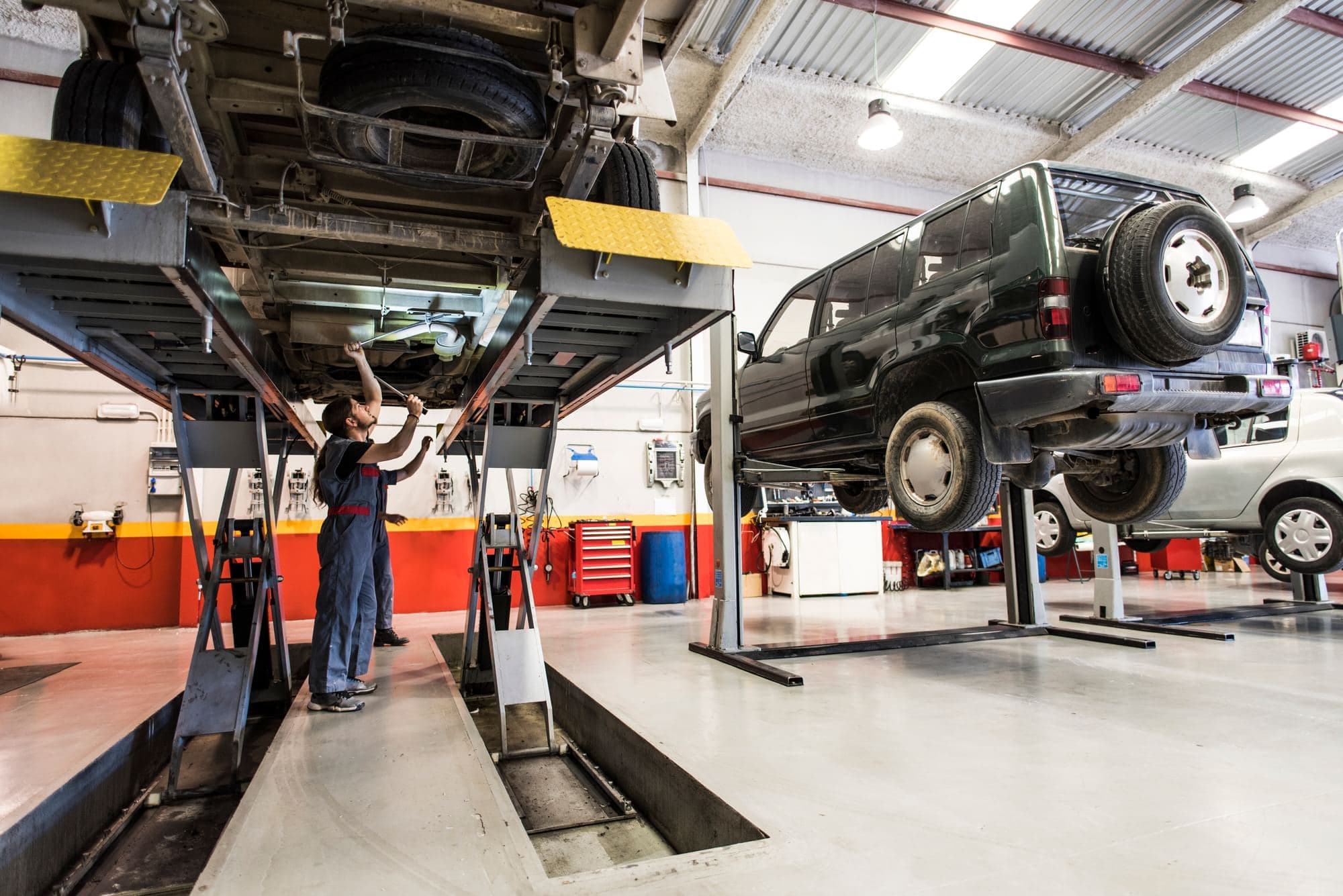
Those routine observations do not replace the annual inspection. The annual inspection is a deeper technical review performed by a qualified lift inspector. According to the Automotive Lift Institute (ALI), that review can include the lift's structural, mechanical, hydraulic, pneumatic, and electrical systems, along with the inspection points required by the manufacturer and ANSI/ALI ALOIM.
Document both activities without blending them together. A routine-check process should show what operators are expected to observe and how they report a concern. The annual inspection file should show who performed the inspection, why that person was qualified, what was examined, and the result. If a check identifies damage, abnormal operation, or another unsafe condition, follow the manufacturer's instructions and the shop's established control process before using the lift again.
Ask for the Full Inspection Record
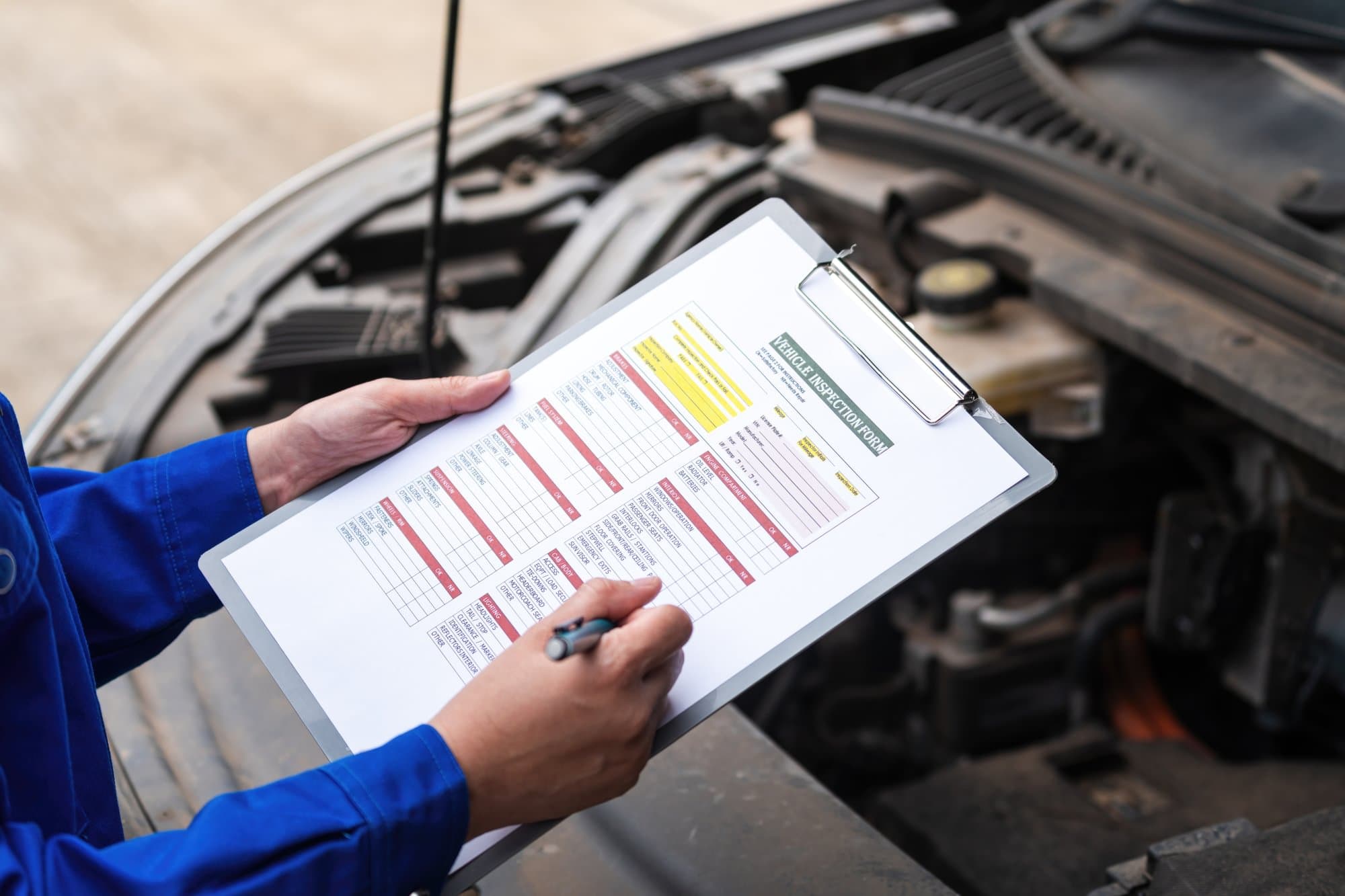
A complete annual inspection record should do more than confirm the date. ALI says the inspector should provide written findings for every inspection point, including adjustments made and parts replaced. Keep the full report and any inspection certificate on file.
For each inspection, the shop should be able to locate:
- the lift identifier and inspection date;
- the inspector's name and qualification information;
- the inspection scope or checklist used;
- findings for each inspection point;
- adjustments or parts replaced during the visit;
- concerns, recommendations, or failed items;
- the inspection outcome; and
- the related corrective-action or repair record.
An ALI inspection label may help identify a lift that passed an ALI program inspection, but the label is not a substitute for the written report. The report carries the detail the shop needs for follow-up.
Close the Loop on Findings
Inspection records become useful when open findings have a visible path to resolution. Assign each finding to an owner, record the repair or corrective action, retain the service provider's documentation, and connect that work to the original report.
The repair record should identify the condition addressed, the work performed, and the parts used. Replacement parts should be approved by the original equipment manufacturer or meet the original manufacturer's specifications. The qualified technical provider should determine the verification needed after the repair. Shop managers should not treat a scheduled service call, a paid invoice, or a cleared calendar reminder as proof the finding was resolved.
Keep One Usable File for Each Lift
A practical lift file brings the evidence together instead of scattering it across email, paper invoices, and vendor portals. Include:
- equipment identification and the current manufacturer manual;
- operator training records tied to the lift type or model;
- routine-check expectations and reported concerns;
- annual inspection reports and certificates;
- planned-maintenance records;
- repair-service records; and
- documentation showing how inspection findings were closed.
The current ANSI/ALI ALOIM materials include operator-training, planned-maintenance, and repair-service logs to support this recordkeeping. The reviewed federal and industry sources do not establish a universal federal retention period for every lift record, so the shop should set its retention practice based on applicable requirements, manufacturer instructions, insurer or customer expectations, and company policy.
GMG EnviroSafe can help an auto-service shop review how equipment records, operator training, corrective-action tracking, and broader EHS processes work together. A qualified lift inspector or service provider remains responsible for the technical inspection, repair, and equipment-specific verification.
Contact GMG EnviroSafe to schedule an EHS compliance assessment focused on the management-system gaps around the lift, not a substitute for the lift inspection itself.
Sources
(1) Occupational Safety and Health Administration. OSHA Standards Applicable to Automotive Service Lifts. https://www.osha.gov/laws-regs/standardinterpretations/2014-11-19
(2) Automotive Lift Institute. Lift Inspection FAQ. https://www.autolift.org/faq-2/
(3) Automotive Lift Institute. ANSI/ALI ALOIM:2020 Standard for Automotive Lifts, Current Edition. https://www.autolift.org/product/ansiali-aloim-standard-current-edition/
(4) Automotive Lift Institute. Annual Lift Inspections Provide Peace of Mind. https://www.autolift.org/get-your-lift-inspected/
(5) Automotive Lift Institute. Lift Maintenance Key in Safe Operation. https://www.autolift.org/news/commercial-carrier-journal-lift-maintenance-key-in-safe-operation/