Auto
When Your SDS Binder Falls Behind: Hazard Communication in Auto Shops
An SDS binder can be full and still be out of date.
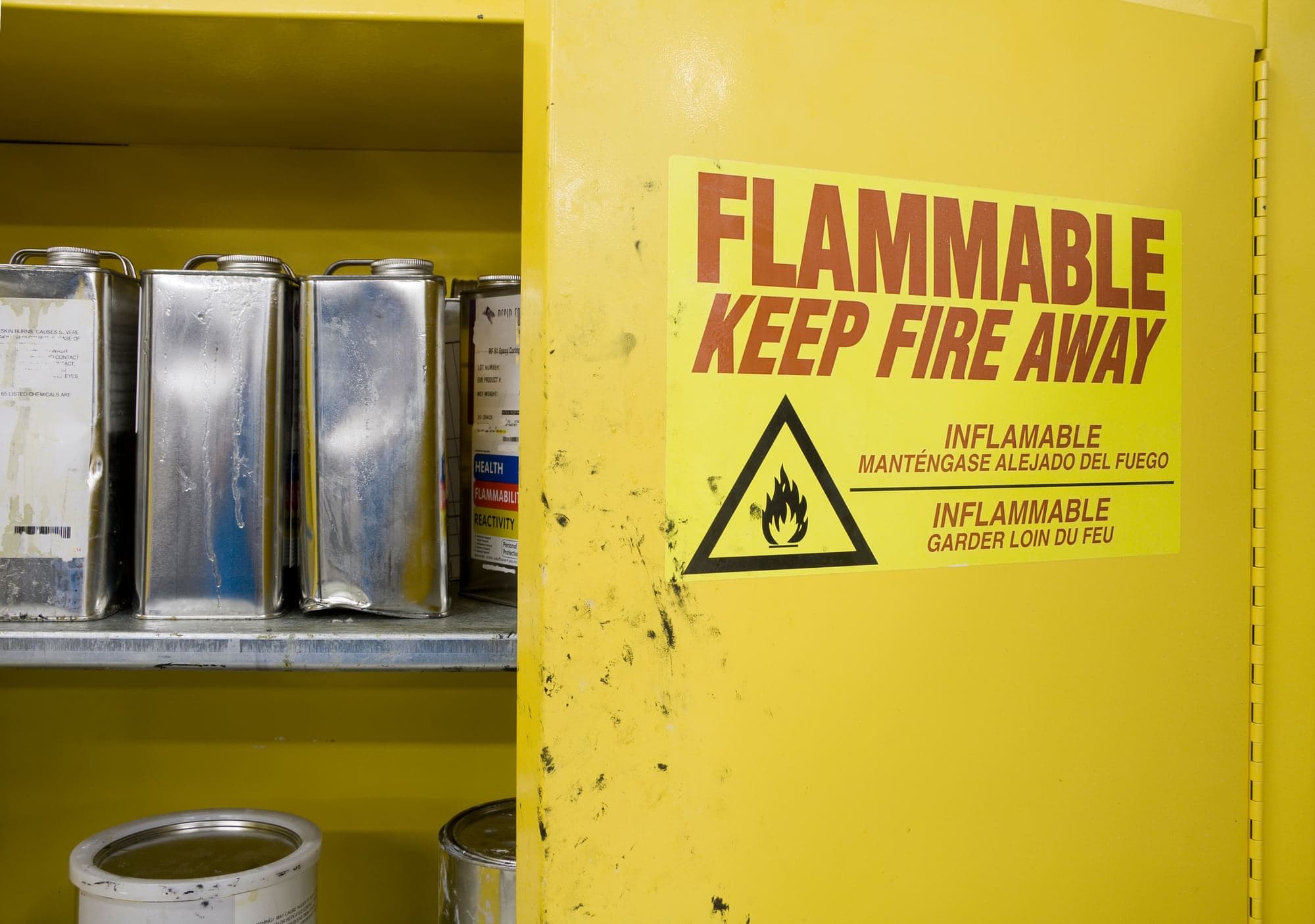
A supplier substitutes a brake cleaner. A technician buys a one-time adhesive. A new clearcoat enters the paint department. A spray bottle gets filled and left for the next shift. Each change can affect the same Hazard Communication system: the chemical list, the exact SDS on file, workplace labels, employee training, and the protective measures tied to the product.
For auto shops, Hazard Communication is not just a binder requirement. It is the system that helps employees know what chemicals they are using, what hazards may be present, and how to handle those products safely.
What a Complete HazCom System Includes
OSHA's Hazard Communication Standard, 29 CFR 1910.1200, requires employers with hazardous chemicals within the standard's scope to maintain a written hazard communication program, a list of hazardous chemicals, labels and other forms of warning, safety data sheets, and effective employee information and training. The written program must also address nonroutine tasks, unlabeled pipes where applicable, and how information is shared on multi-employer worksites.
HazCom has no general small-employer exemption. It applies when employees may be exposed to hazardous chemicals within the standard's scope during normal use or a foreseeable emergency. A product's consumer label does not automatically remove it from the standard. The consumer-product exemption depends on whether the product is used in a workplace in a manner comparable to normal consumer use, including duration and frequency.
Why Auto-Shop Inventories Change
Chemical inventories can change frequently in mechanical repair, quick-lube, fleet maintenance, dealerships, collision repair, and refinishing operations. Products may include brake cleaners, degreasers, oils, transmission fluid, antifreeze, battery chemicals, refrigerants, adhesives, aerosols, paints, solvents, coatings, and related materials.
Collision and refinishing work may add exposure concerns involving isocyanates, overspray, dusts, solvents, and process-specific controls. HazCom helps employees understand chemical hazards, but it does not replace ventilation, respiratory protection, PPE, exposure controls, or other applicable requirements.
What the 2024 HazCom Update Means in 2026
OSHA updated the Hazard Communication Standard in 2024. The update includes changes involving hazard classifications, labels, safety data sheets, and information for substances and mixtures. OSHA later extended certain compliance dates. Employers should treat "as necessary" as important: updates are required when new hazard information, classifications, labels, or SDS information make changes necessary under the standard's transition schedule. Because HCS 2024 timing, corrections, and State Plan adoption can change, employers should recheck the current OSHA rule, directive, compliance dates, and applicable state information before publishing or updating programs.
Where Programs Lose Alignment
Common gaps include products purchased outside the normal process, secondary containers without enough information, outdated SDSs, mismatched product identifiers, and employees who know where the binder is but cannot explain the product they are using.
Immediate-use containers are a narrow category. OSHA's portable-container exception depends on the chemical being transferred from a labeled container, remaining under the control of the employee who made the transfer, and being used only within that work shift by that employee. Stationary process containers and shared containers require a different labeling analysis.
Product identifiers should connect the chemical list, label, and SDS. Manufacturer and work-location fields may be useful management fields, but they are not universal federal list requirements. A new product requires additional training when it introduces a new physical or health hazard that employees have not already been trained to address. HazCom does not create one universal annual refresher requirement, but training must be effective, understandable, and include an opportunity for employees to ask questions.
Make SDS Access Work on Every Shift
SDSs must be readily accessible during each work shift. Electronic systems can work if employees have unrestricted access, know how to use the system, and have a backup method when power, internet, or device access fails.
Current SDS access is different from historical exposure-record retention. SDS dates are not expiration dates, but reformulations, supplier changes, or new hazard information can require a different SDS. A practical process checks chemical changes before products reach the floor, not months later during an audit.
Temporary Workers, State Rules, and California
Temporary and seasonal workers may be missed when responsibilities are unclear. Host employers and staffing agencies should coordinate so workers know the chemical hazards, protective measures, SDS access method, and reporting channels for the assignment.
State Plans may add requirements or enforcement differences. California employers subject to Proposition 65 also need to evaluate warning obligations based on the product, exposure, exemptions, and applicable rules. Review the fewer-than-10-employee exemption and exposure-specific analysis before relying on a warning decision.
How GMG EnviroSafe Can Help
GMG EnviroSafe offers support that can help employers organize HazCom and SDS management, including EHS Compliance Assessments, chemical inventory support, Safety Data Sheet Database support, and Hazard Communication training with completion documentation. The SDS database is a tool for organizing and accessing SDSs; it should not be described as a guarantee that every document remains current or that employee training is automatically tracked unless that integration is confirmed.
Online training is available in English and Spanish. In-person Spanish delivery depends on local staff availability, with prerecorded Spanish options available where appropriate.
Contact GMG EnviroSafe to discuss an EHS Compliance Assessment focused on Hazard Communication and SDS management. Depending on the scope, GMG can help compare the products in your shop with the chemical list, labeling practices, SDS access, training, and corrective-action process.
Sources
(1) OSHA. 29 CFR 1910.1200, Hazard Communication. https://www.osha.gov/laws-regs/regulations/standardnumber/1910/1910.1200
(2) OSHA. Inspection Procedures for the Hazard Communication Standard, CPL 02-02-079. https://www.osha.gov/enforcement/directives/cpl-02-02-079
(3) OSHA. 2024 Hazard Communication Final Rule. https://www.osha.gov/hazcom/rulemaking
(4) OSHA. Top 10 Most Frequently Cited Standards. https://www.osha.gov/top10citedstandards
(5) OSHA. Autobody Repair and Refinishing: Hazards and Solutions. https://www.osha.gov/autobody
(6) NIOSH. Preventing Asthma and Death from Diisocyanate Exposure, Publication 96-111. https://stacks.cdc.gov/view/cdc/209678
(7) OSHA. Temporary Worker Initiative Bulletin No. 5: Hazard Communication. https://www.osha.gov/sites/default/files/publications/OSHA3860.pdf
(8) OSHA. 29 CFR 1910.1020, Access to Employee Exposure and Medical Records. https://www.osha.gov/laws-regs/regulations/standardnumber/1910/1910.1020
(9) OSHA. State Plans. https://www.osha.gov/stateplans
(10) California Department of Industrial Relations. Hazard Communication, Title 8, Section 5194. https://www.dir.ca.gov/title8/5194.html
(11) California OEHHA. Proposition 65 in Plain Language. https://oehha.ca.gov/proposition-65/general-info/proposition-65-plain-language