Auto
Common OSHA Violations in Collision Repair: A Practical Guide to Compliance
Understanding the Regulatory Landscape for Collision Repair Shops
OSHA compliance is an essential responsibility for collision repair operations. As regulatory standards continue to evolve, it's important for shop owners and managers to stay informed about common compliance areas. This guide examines the five most frequently cited OSHA violations in collision repair facilities and offers practical approaches to addressing each one.
By understanding these common compliance challenges and implementing appropriate preventative measures, collision repair businesses can create safer workplaces while meeting regulatory requirements. Let's explore these key areas and the practical steps you can take to address them.
Violation #1: Hazardous Waste Management in Collision Repair Operations
Understanding the Issue
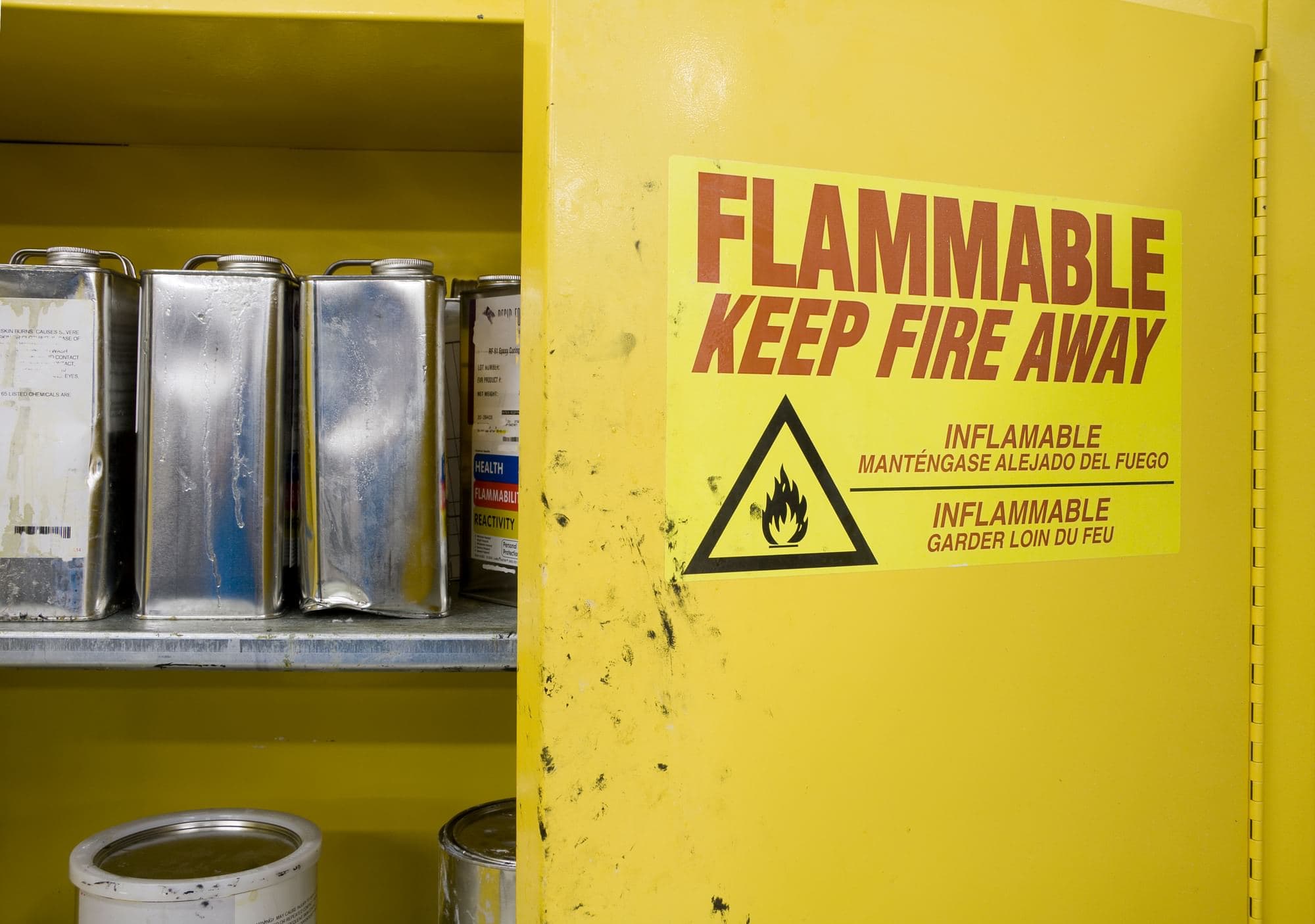
Collision repair facilities handle various hazardous materials such as solvents, paints, thinners, used oil, and batteries. OSHA and the EPA mandate proper handling, storage, and disposal of these materials to prevent environmental contamination and health risks. Regulatory agencies frequently issue citations for noncompliance, underscoring the importance of strict hazardous waste management protocols in the industry.
Compliance Requirements
- Proper waste stream separation prevents cross-contamination and disposal issues.
- Documented waste removal schedules ensure regulatory compliance.
- Employee training on waste handling procedures reduces incident risks.
Practical Implementation Steps
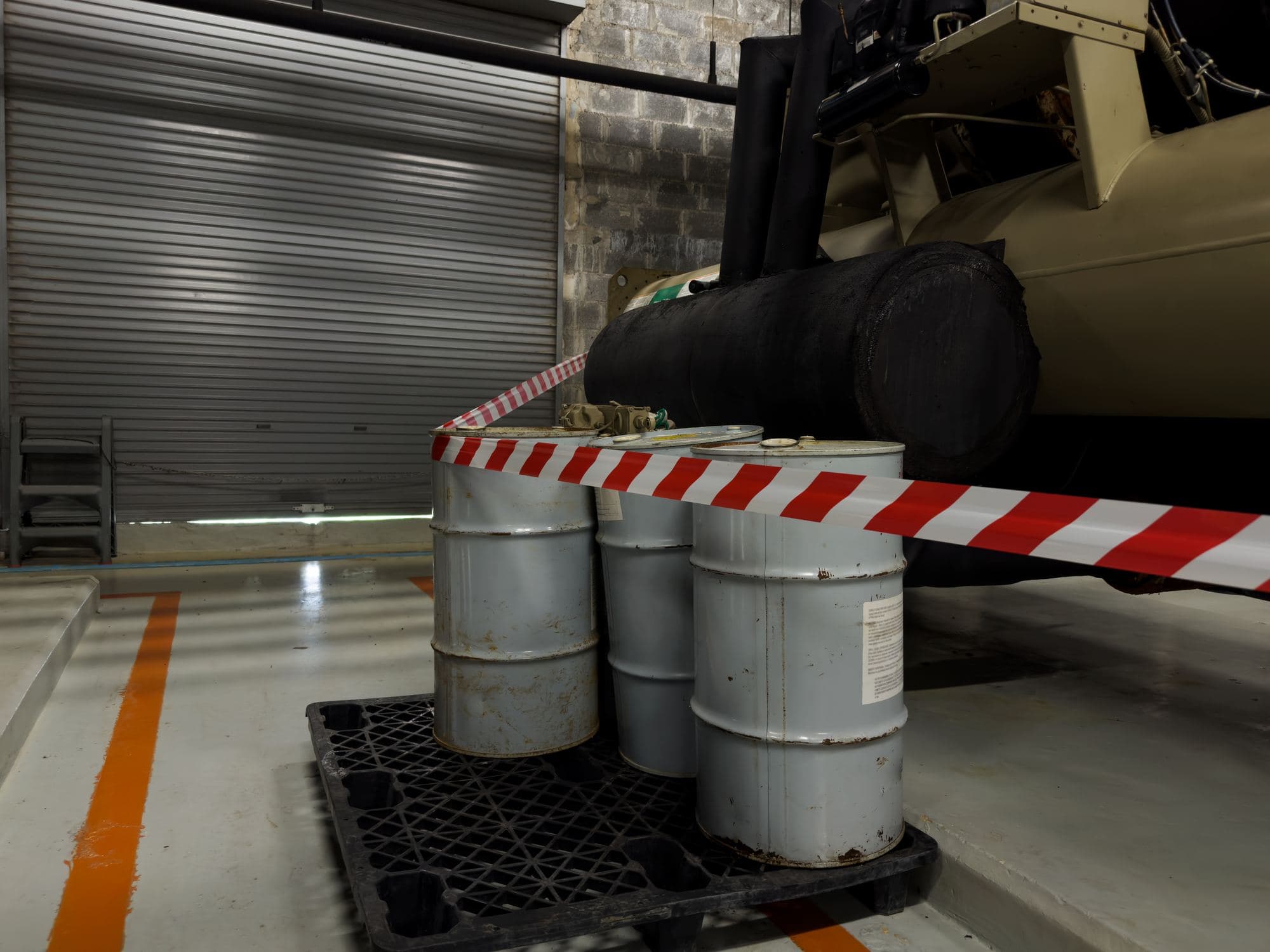
- Establish dedicated waste collection areas with clearly labeled containers, proper barrel types, spill containment systems, grounding for flammable materials, and waste-specific compatible funnels.
- Maintain consistent schedules with licensed waste haulers and keep detailed disposal records.
- Provide regular employee training on hazardous material handling.
- Document all waste management procedures in an accessible format for compliance audits.
How GMG EnviroSafe Helps
Proper hazardous waste management is not just a regulatory requirement, it’s essential for workplace safety, environmental protection, and operational efficiency. A well-structured waste management system helps prevent compliance violations while reducing risks to employees and the surrounding community.
GMG EnviroSafe offers comprehensive hazardous waste management assessment services. Our specialists work with collision repair shops to:
- Conduct on-site hazardous waste audits to identify compliance gaps.
- Develop customized waste handling protocols that meet OSHA and EPA regulations.
- Implement training programs to ensure employees are well-versed in safe waste handling.
- Coordinate with licensed waste haulers to establish tracking and documentation systems that streamline waste disposal compliance.
Violation #2: Personal Protective Equipment (PPE) Compliance
Understanding the Issue
Collision repair tasks, including sanding, painting, welding, and chemical handling, expose workers to hazards that require proper Personal Protective Equipment (PPE). Without adequate PPE, workers face risks such as chemical exposure, eye injuries, and respiratory issues.
OSHA frequently cites violations related to inadequate PPE across various industries, with automotive repair being a significant area of concern. In fact, the automotive repair industry ranked third among the most frequently cited industries for OSHA violations in 2023 (1).
Common PPE-related violations in this sector include failure to provide adequate respiratory protection and eye protection (2). Ensuring proper PPE compliance is crucial to protect workers from serious injuries, long-term health risks, and costly regulatory fines.
Compliance Considerations
- Different repair tasks require specific PPE types such as respirators, gloves, and protective suits.
- Regular PPE assessments ensure availability and effectiveness.
- Employee training on PPE use ensures proper compliance.
Practical Implementation Steps
- Conduct and document job-specific PPE assessments for different repair tasks.
- Implement regular inventory management for all protective equipment.
- Post clear, visual PPE requirements in designated work areas.
- Train employees on PPE selection, use, and maintenance.
How GMG EnviroSafe Helps
Ensuring that employees have access to the right PPE for each task is critical in preventing injuries and maintaining OSHA compliance. Without proper protective gear, workers are at risk of chemical exposure, respiratory hazards, and physical injuries, all of which can result in serious health and liability concerns.
At GMG EnviroSafe, we provide comprehensive PPE assessment services, helping collision repair businesses:
- Identify necessary PPE for each job role and ensure compliance.
- Establish PPE inventory tracking systems to prevent shortages.
- Provide OSHA-compliant training programs to educate employees on proper PPE use.
- Implement a PPE audit program to ensure continuous safety improvements.
Violation #3: Paint Booth Ventilation and Air Quality Control
Understanding the Issue
Paint booths generate volatile organic compounds (VOCs) and hazardous particulates, requiring proper ventilation to maintain air quality. OSHA frequently cites violations related to inadequate ventilation in paint application areas, emphasizing the importance of maintaining proper airflow. Poor air circulation can lead to serious respiratory illnesses, increased fire risks, and regulatory fines, making ventilation system maintenance a critical compliance factor.
Compliance Considerations
- Maintain proper airflow parameters in paint application zones.
- Regularly replace air filters to maintain system efficiency.
- Document all ventilation maintenance and performance tests.
Practical Implementation Steps
- Schedule regular airflow testing to ensure compliance.
- Implement filter replacement protocols based on manufacturer guidelines.
- Maintain detailed records of ventilation system maintenance.
- Ensure airflow indicators and emergency shutdown systems function correctly.
- Provide and review paint booth filter logs to verify timely replacements and consistent air quality.
How GMG EnviroSafe Helps
Proper ventilation and air quality management in paint booths protects workers from toxic chemical exposure and reduces operational hazards. Inadequate air control can result in OSHA violations, worker illness, and costly business interruptions.
At GMG EnviroSafe, our experts provide collision repair shops with:
- Custom paint booth air quality assessments to identify deficiencies.
- Filter maintenance programs to optimize air quality and system efficiency.
- Regulatory documentation tools to maintain OSHA-compliant records.
- Training programs on proper ventilation system maintenance.
Violation #4: Respiratory Protection Program Implementation
Understanding the Issue
Many collision repair tasks expose employees to respirable hazards such as paint fumes, dust, and chemical particulates. OSHA requires businesses to have a comprehensive respiratory protection program, yet over 2,470 respiratory protection citations were issued last year (3). Failure to comply can result in worker illness, legal action, and increased insurance costs.
Compliance Considerations
- Written respiratory protection programs must be workplace-specific.
- Medical evaluations and fit-testing are required for respirator users.
- Fit tests must be conducted annually and whenever employees receive a new respirator.
- Ongoing training and documentation demonstrate compliance.
Practical Implementation Steps
- Develop a written respiratory protection program tailored to your operations.
- Ensure all employees using respirators receive medical clearance.
- Conduct and document annual respirator fit-testing.
- Implement proper respirator cleaning, storage, and inspection protocols.
How GMG EnviroSafe Helps
A properly maintained respiratory protection program safeguards employees from long-term exposure risks, such as lung disease and chemical toxicity. Non-compliance can lead to serious health complications, OSHA fines, and liability issues.
GMG EnviroSafe offers comprehensive respiratory protection solutions, including:
- On-site respiratory hazard evaluations to assess risks.
- Respirator fit-testing and medical evaluations delivered on-site, eliminating the need for workers to travel elsewhere.
- Air sampling and testing services to identify and measure airborne contaminants, ensuring appropriate respiratory protection is in place.
- Training programs on respirator use, maintenance, and emergency procedures.
- Regulatory documentation support to ensure OSHA compliance.
Violation #5: Hazard Communication Program Management
Understanding the Issue
Hazard communication violations remain one of OSHA’s most frequently cited issues, with nearly 2,900 citations issued last year (3). Collision repair shops work with numerous hazardous chemicals, making proper labeling, Safety Data Sheet (SDS) management, and employee training essential for compliance. Improper hazard communication increases risks of chemical exposure, workplace accidents, and legal liability.
Compliance Considerations
- GHS-compliant labels must be on all chemical containers.
- SDS must be readily accessible for all hazardous substances.
- Employees must be trained on chemical hazards and safety measures.
Practical Implementation Steps
- Maintain an up-to-date SDS library for all chemicals used.
- Ensure secondary chemical containers have proper labels.
- Provide ongoing hazard communication training to employees.
- Document all hazard communication compliance activities.
How GMG EnviroSafe Helps
A well-managed hazard communication program ensures that employees understand the risks of workplace chemicals, helping to prevent accidental exposure and injuries. Maintaining proper documentation and training protocols also helps businesses avoid OSHA citations and liability claims.
GMG EnviroSafe supports hazard communication compliance by:
- Implementing SDS management systems for easy access.
- Establishing chemical labeling protocols that meet OSHA standards.
- Developing customized employee training programs on hazard communication.
- Creating customized Job Hazard Assessments for each position, detailing the specific hazards, required PPE, and control measures.
- Conducting routine compliance audits to identify and correct deficiencies.
The Value of Proactive Compliance: Self-Audits and Inspections
Understanding the Importance of Proactive Compliance
Waiting for an OSHA inspection to uncover compliance gaps can result in costly penalties, operational disruptions, and safety risks. Regular self-audits and proactive inspections help collision repair shops identify and address compliance issues before they become serious problems.
Benefits of Proactive Compliance
- Identifies potential issues before they escalate.
- Creates documentation demonstrating good-faith compliance efforts.
- Fosters a culture of safety awareness throughout the organization.
- Reduces the potential for workplace incidents and related downtime.
Implementing an Effective Self-Audit Program
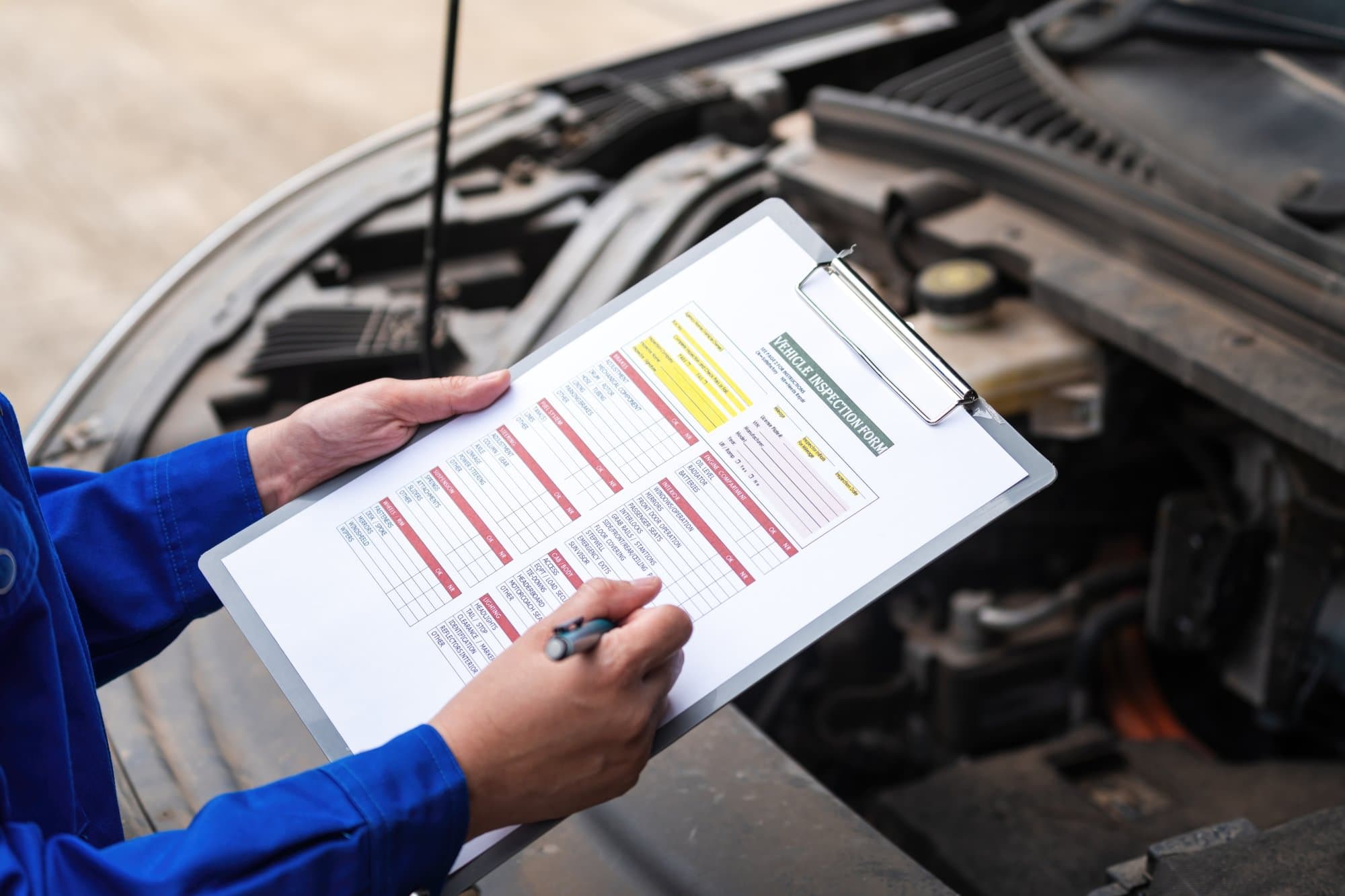
- Develop comprehensive checklists addressing all relevant OSHA standards.
- Conduct regularly scheduled inspections of all work areas.
- Document findings and corrective actions taken.
- Review trends to identify systemic improvement opportunities.
How GMG EnviroSafe Helps
Implementing a structured self-audit program ensures that businesses maintain continuous compliance while reducing liability risks. A proactive approach can also improve employee safety, morale, and operational efficiency.
GMG EnviroSafe specializes in developing tailored self-audit programs, including:
- Customized inspection checklists for OSHA compliance.
- Detailed compliance reports to identify improvement areas.
- Employee training programs to enhance workplace safety.
- Ongoing compliance support with regulatory updates and industry best practices.
GMG EnviroSafe: Your Trusted Partner in Environmental Health & Safety
Staying OSHA-compliant in today’s evolving regulatory landscape requires expertise, structured systems, and continuous monitoring. GMG EnviroSafe provides collision repair businesses with the tools and knowledge they need to proactively manage compliance, minimize risks, and create a safer, more efficient workplace.
Comprehensive Compliance Support from GMG EnviroSafe
✔ Complete Compliance Assessments: Our specialists conduct thorough on-site evaluations to identify compliance gaps, safety risks, and regulatory vulnerabilities. We provide detailed, actionable recommendations to ensure full OSHA and EPA adherence.
✔ Customized Program Development: Every shop operates differently. We design tailored compliance programs that align with your specific operational needs, covering OSHA safety protocols, hazardous waste management, PPE implementation, ventilation compliance, and more.
✔ In-Person & Online Bilingual Training: We deliver engaging, OSHA-compliant training in both English and Spanish (available on-site or virtually) to ensure every employee understands safety procedures, compliance requirements, and their role in maintaining a safe workplace.
✔ Ongoing Compliance & Regulatory Support: Compliance is an ongoing process. GMG EnviroSafe provides regular program updates, regulatory monitoring, and expert consultation services to keep your shop ahead of OSHA changes and industry best practices.
Beyond Compliance: Building a Safer, More Efficient Workplace
Achieving compliance is about more than avoiding citations, it’s about protecting employees, ensuring operational efficiency, and demonstrating professionalism in the collision repair industry. A proactive approach to environmental health and safety (EHS) reduces workplace risks, boosts employee confidence, and enhances your shop’s reputation.
Take Control of Your Compliance, Partner with GMG EnviroSafe Today
At GMG EnviroSafe, we don’t just help you meet regulations, we empower you to exceed them, creating a safer, more efficient, and compliant workplace. Our industry-specific expertise ensures that your business remains compliant, competitive, and prepared for the future of collision repair safety and sustainability. Contact us today to schedule a compliance consultation and take the next step toward safety, efficiency, and peace of mind.
Sources
(1) Aftermarket Matters. (2023). Top 10 OSHA Violations for 2023. Retrieved from Aftermarket Matters
(2) Arrowhead Evaluation Services. (n.d.). OSHA and the Automotive Industry. Retrieved from Arrowhead YZ
(3) Environmental Safety Update. (2025). Another Year in the Books: OSHA’s Top Ten Safety Violations for Fiscal Year 2024. Retrieved from Environmental Safety Update