
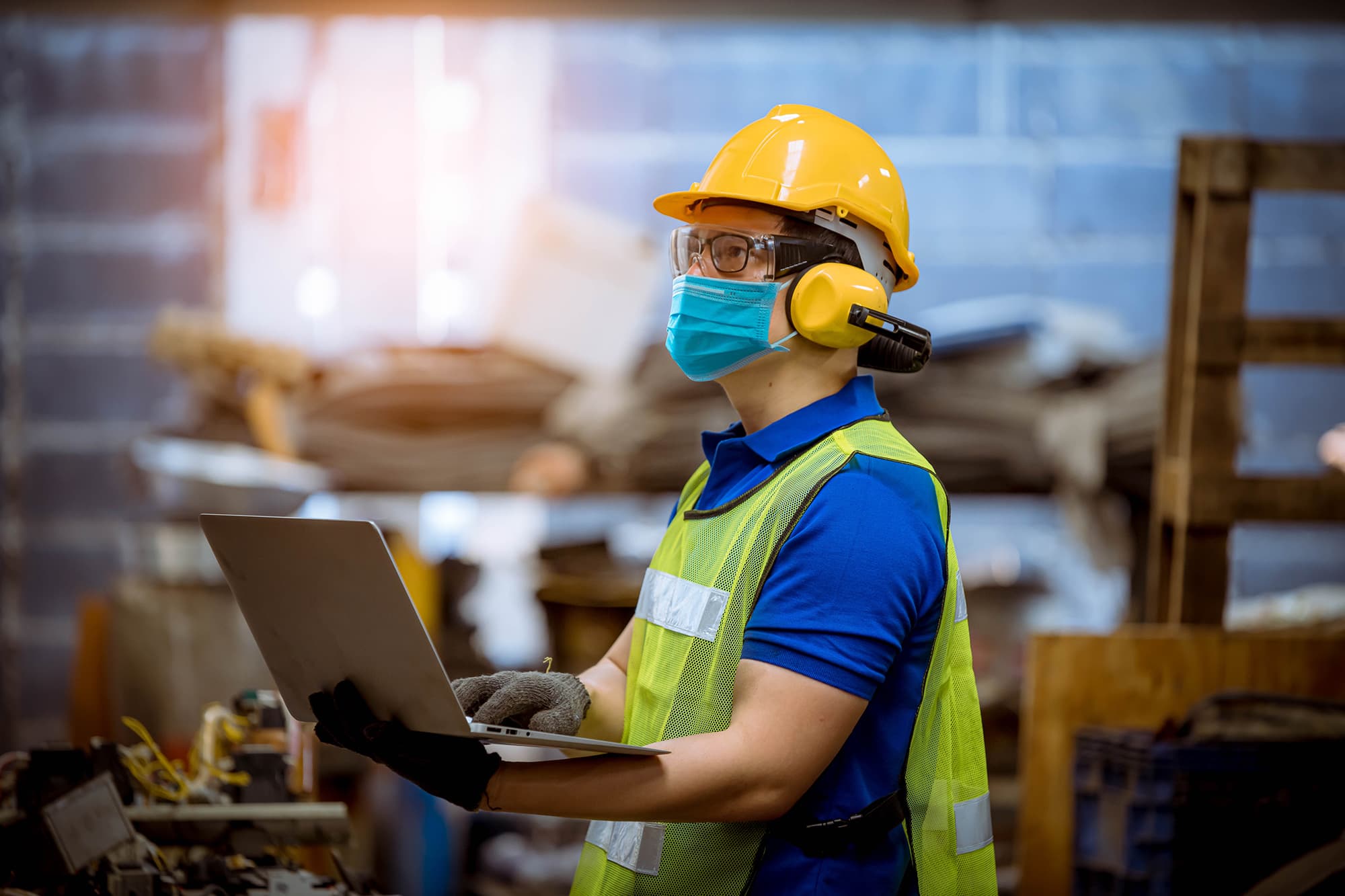
Know What You’re Working With. Protect Your Team.
Chemicals are everywhere in the workplace, and employees have the right to know how to handle them safely. GMG’s Hazard Communication (HazCom) training prepares workers to identify chemical hazards, interpret labels and Safety Data Sheets (SDS), and follow safe handling procedures in full compliance with OSHA’s HazCom Standard. Available both on-site and online, this training ensures your team understands the risks and knows how to stay protected.
What's Included
Our instructor-led training ensures your team understands how to recognize chemical hazards, read labels, and follow proper handling procedures. Every session is hands-on, practical, and fully aligned with OSHA’s Hazard Communication Standard.
Overview of the HazCom Standard
Learn the purpose and scope of OSHA’s 29 CFR 1910.1200 and its core requirements.
Chemical Hazard Classifications
Understand physical, health, and environmental hazard categories and how they are defined.
Labeling & Pictograms Explained
Learn to read hazard labels, pictograms, and signal words under the GHS system.
Safety Data Sheets (SDS)
Discover how to access, read, and use SDSs in both daily work and emergency situations.
Employee & Employer Responsibilities
Clarify what employers must provide and what rights employees have under the law.
Safe Chemical Handling Practices
Review PPE use, safe storage, exposure controls, and basic spill response measures.
Training Certificates & Records
Receive completion certificates and documentation to satisfy OSHA compliance standards.

Who Is This Service For
Any Employer with Hazardous Chemicals in the Workplace
This training is required for companies in manufacturing, automotive, maintenance, construction, custodial services, laboratories, and more. If your employees use, store, or are exposed to hazardous chemicals, even common ones like paint, degreasers, or cleaning solutions, this training is mandatory. GMG delivers it on-site, in plain language, and tailored to the chemicals used at your facility.
Book a Demo
Why It Matters
Chemicals Can Harm, But the Right Training Prevents That
Exposure to hazardous chemicals can lead to injuries, long-term illness, or even death. OSHA’s Hazard Communication Standard exists to protect workers through proper labeling, access to SDSs, and informed handling. Failure to provide HazCom training is one of OSHA’s most frequently cited violations. GMG helps you stay compliant while empowering your employees with the knowledge to work safely around hazardous substances.
Book a DemoHow It Works
What You Can Expect at Every Step
- 1
Facility Review
We assess the chemicals used at your site and how they’re handled to tailor the training session.
- 2
On-Site Delivery
Our instructors deliver engaging, interactive training at your facility or chosen location.
- 3
Practical Application
We incorporate real examples and SDSs from your workplace to enhance relevance.
- 4
Evaluation & Certification
Participants complete a knowledge check and receive certificates upon passing.
- 5
Recordkeeping Support
We provide training logs and documentation to support your OSHA compliance efforts.
Hazard Communication Training and OSHA Requirements
Answers to common questions about chemical labeling, SDSs, training frequency, and how GMG helps you stay compliant with OSHA’s HazCom Standard.
Yes. OSHA requires employers to train workers on chemical hazards at the time of their initial assignment and whenever new hazards are introduced.
Any employee who may be exposed to hazardous chemicals, including custodians, operators, maintenance staff, and others.
Anything that poses a physical or health risk, including flammable liquids, corrosives, irritants, toxic substances, or compressed gases.
GHS (Globally Harmonized System) is the international system for chemical labeling and classification. Yes, our training includes GHS labels and pictograms.
It must be provided at the time of hire or chemical introduction, and periodically as needed. GMG recommends annual refreshers.
Yes. We customize the training using your own products, labels, and SDSs to make the material directly relevant.
Yes. We provide bilingual training sessions to ensure all workers fully understand the material.
You may face OSHA citations, fines, or increased liability in the event of a chemical incident or injury.
No. Even incidental exposure (e.g., janitorial staff near chemicals) may require training. When in doubt, train.
Yes. Our Written Programs service includes full development of your required Hazard Communication Plan if needed.
Make Hazards Known. Keep Safety Simple.
GMG’s HazCom training gives your team the clarity and confidence to handle chemicals safely and stay OSHA-compliant. Schedule your in-person HazCom training with GMG today.
Get Started