HealthAssure
When PPE Is Issued but Not Enforced: The PPE Compliance Gap
The gear is stocked. Your team signed for it. There's a written policy that says PPE is required. On paper, personal protective equipment (PPE) compliance looks handled.
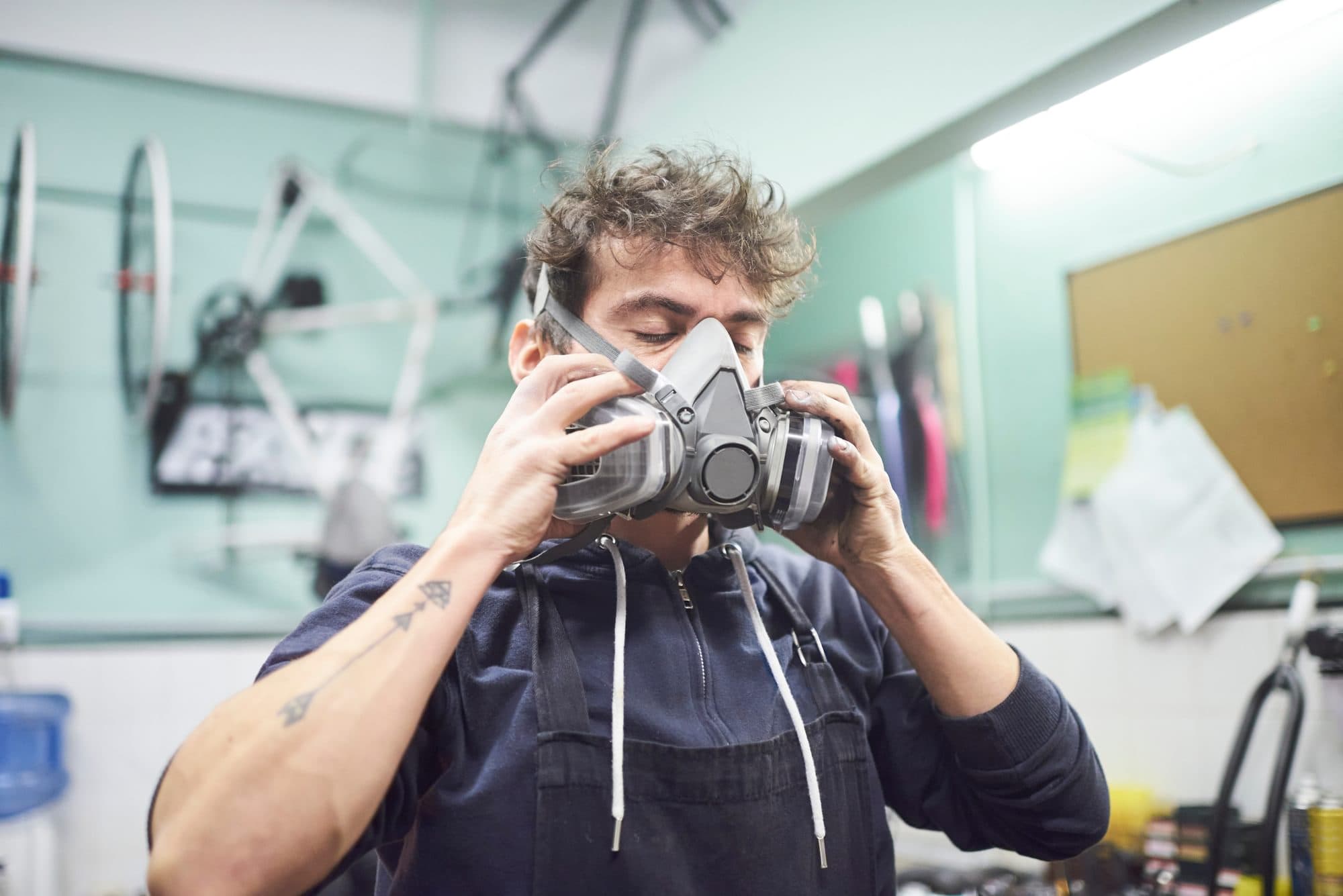
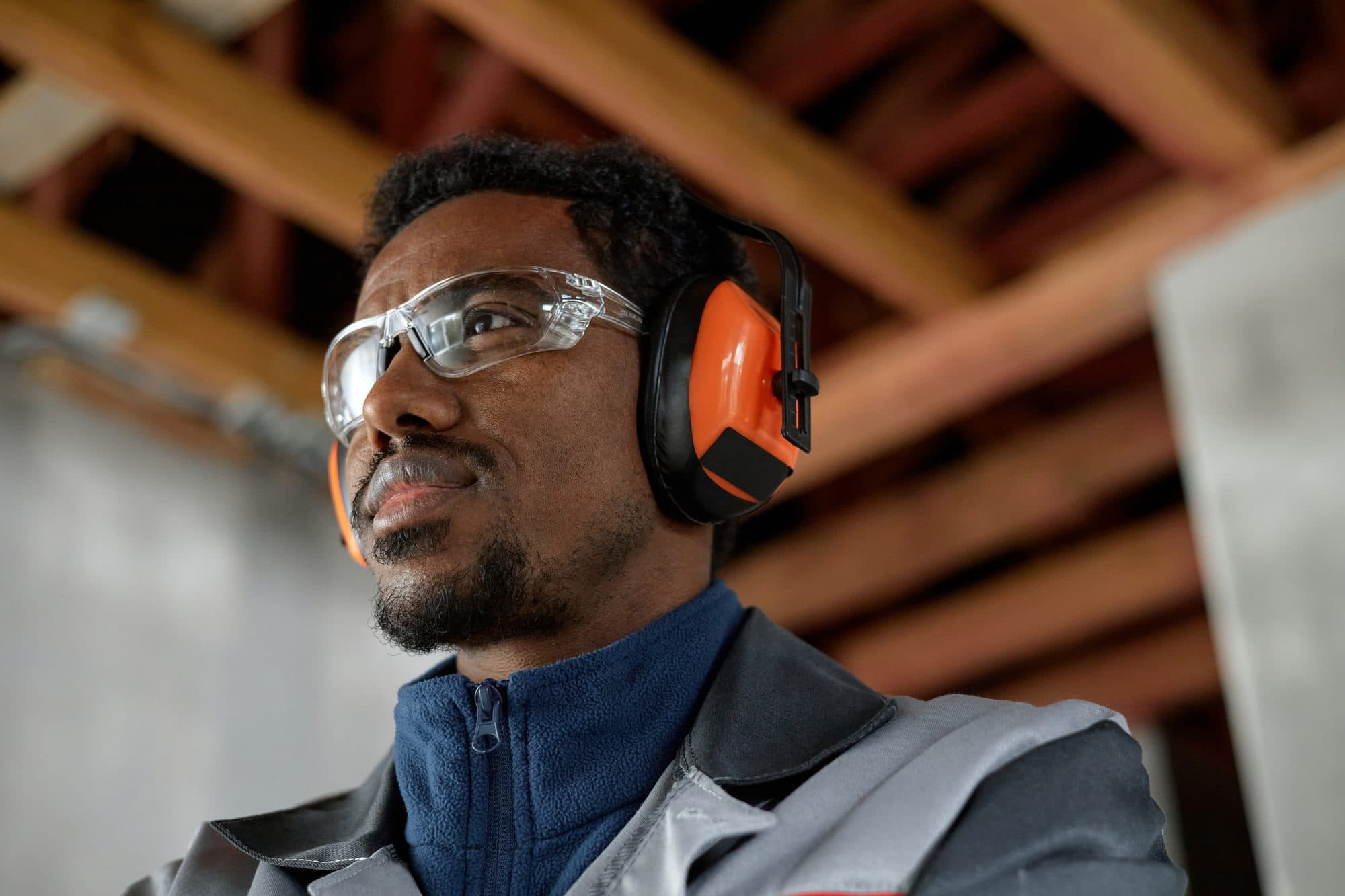
Then you walk the floor. Safety glasses are pushed up on foreheads. Ear protection is sitting in a pocket. One supervisor corrects it. The next shift, no one says a word. This is the gap that quietly puts people and businesses at risk: PPE that's issued but not enforced.
Here's the shift in thinking that matters for owners and decision-makers. When PPE rules aren't enforced consistently, you don't just have an employee problem. You have a management-system gap. And it tends to surface at the worst possible moment, right after an incident or during an inspection, when what you can prove matters as much as what you actually did.
Issuing PPE Is Not PPE Compliance: What OSHA Requires
The Occupational Safety and Health Administration (OSHA) expects more than a purchase order. Under the general PPE standard, employers have to assess the workplace for hazards, select the right PPE for those hazards, make sure it fits, train workers to use it, and, in OSHA's own words, "have each affected employee use" it. The equipment also has to be maintained, and damaged or defective PPE has to be pulled from service (1).
There's a reason enforcement is the part that counts. PPE is the last line of defense. The National Institute for Occupational Safety and Health (NIOSH) ranks safety controls in a hierarchy, and PPE sits at the bottom, below removing the hazard, swapping in something safer, engineering controls, and work-practice controls (2). It only protects anyone when it's worn correctly and consistently. So when PPE isn't used, your final safeguard isn't weakened, it's simply gone.
That's why "we gave it to them, and they chose not to wear it" doesn't close the loop. It describes what happened. It doesn't answer the real question: was the PPE rule communicated, supervised, corrected, and enforced the same way every shift, in every area?
Why PPE Programs Break Down: Common PPE Compliance Failures
Even when PPE is available, consistent use is still a challenge. The latest J. J. Keller and ISEA PPE Pain Points Study found that more than two-thirds of employers struggle to get workers to consistently follow proper PPE protocols (3). That's the real issue for owners: the gap is rarely just whether PPE exists. It's whether the company has a system that makes correct use consistent.
The reasons are more human than most policies assume. Workers commonly say they don't think it's necessary for the task, they simply don't want to wear it, or it's uncomfortable, too hot, or a poor fit.
Two things follow from that, and both point back to management rather than the worker:
- Inconsistent supervision teaches the rule is optional. When a supervisor walks past a violation and says nothing, that silence becomes the real policy. People take their cues from what leaders consistently expect, and consistently tolerate.
- Repeated non-use is a signal, not just defiance. If the same workers keep skipping the same gear, that often points to a fit issue, an uncomfortable design, a task that makes the PPE impractical, or a training gap. OSHA's PPE standard requires retraining when an employee's knowledge or use of assigned PPE shows they haven't retained the required understanding or skill (1). The fix starts with asking why.
3 PPE Compliance Gaps That Create OSHA Liability
Most PPE programs don't fail all at once. They drift, in three predictable places.
- No supervisor accountability. When enforcement rests on informal judgment, one location requires eye protection while another lets it slide under production pressure. Supervisors need a defined role in PPE enforcement, not just discretion, or the team learns the rule is negotiable.
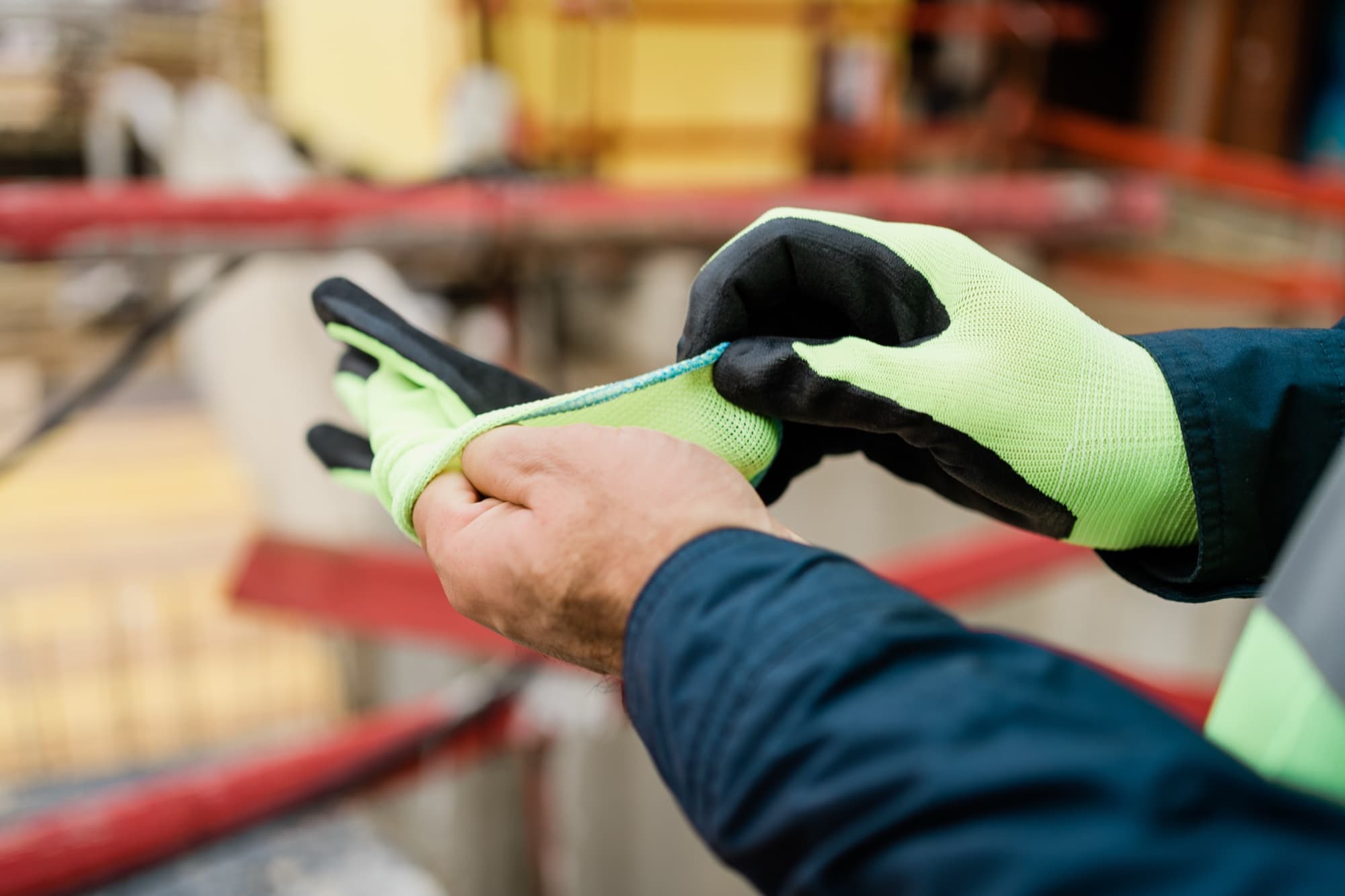
- Generic rules instead of task-based requirements. "Wear proper PPE" leaves too much to personal judgment. A stronger approach ties specific PPE to specific tasks, areas, and exposures, so a worker knows that grinding calls for safety glasses and a face shield, and chemical transfer calls for the right gloves and splash protection. PPE assigned broadly by job title, rather than by task, tends to miss the actual hazard.
- Missing documentation. A program can be genuinely good in practice and still look non-compliant on paper. In practice, even a strong program becomes harder to defend when the company can't produce records showing hazard assessment, training, correction, retraining, and follow-through. When enforcement is weak, the records almost always show it.
Who's Responsible When Employees Don't Wear PPE?
Many owners assume that if a trained employee ignores the rules, the responsibility shifts to the worker. In practice, OSHA holds the employer responsible for making sure required PPE is actually used. Pointing to employee choice rarely settles the matter on its own.
To show that a violation was truly beyond your control, you generally have to demonstrate that you had a clear rule, communicated it, actively looked for violations, and consistently corrected them when you found them, with records to back each part up (4). The piece companies most often can't prove is the last one: consistent, documented follow-through.
The takeaway isn't fear. It's clarity. Consistent supervision and documentation don't just protect your people. They're also what stands behind you if your program is ever questioned.
The Real Cost of PPE Non-Compliance: Injuries, Downtime, and Penalties
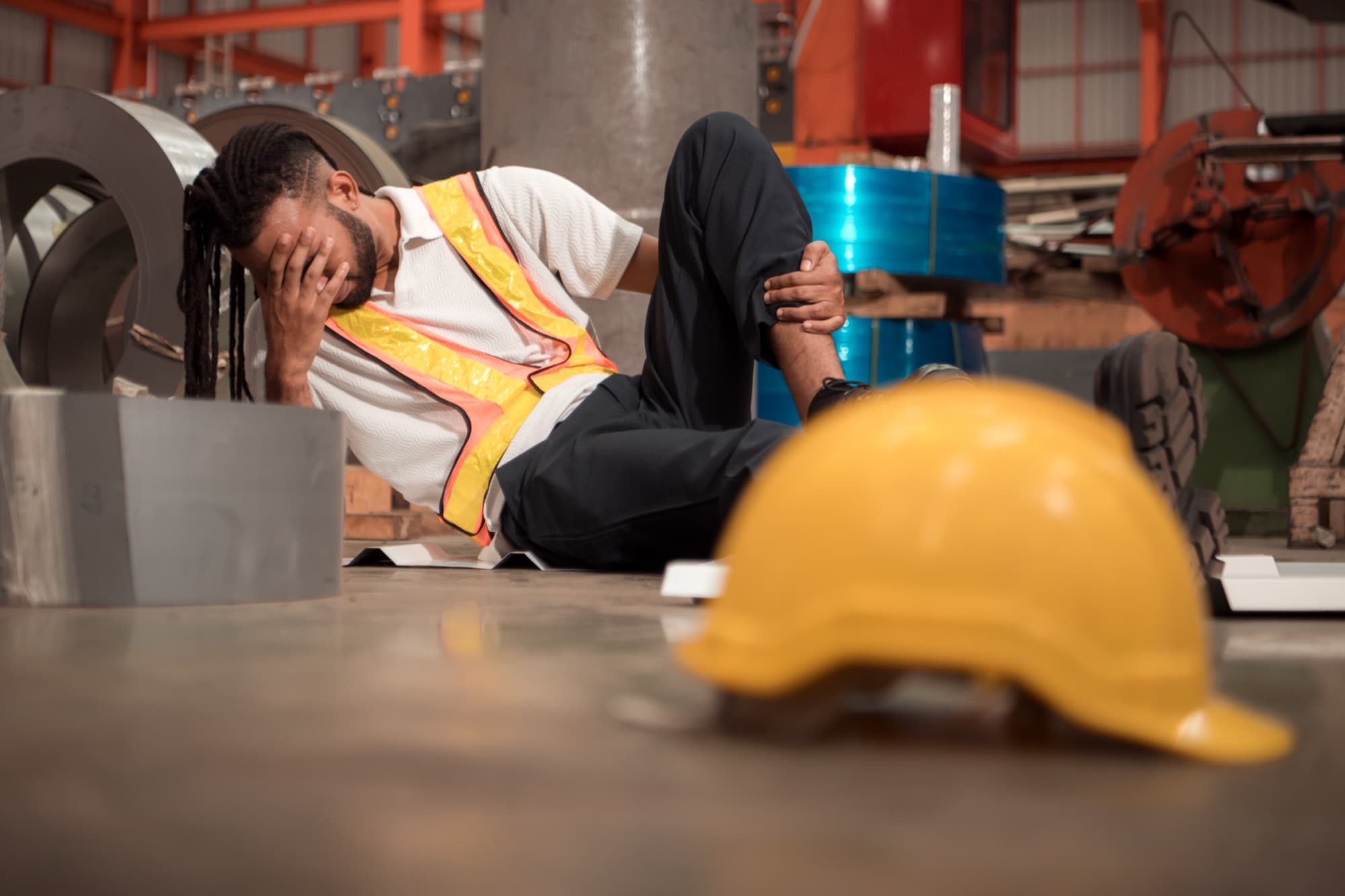
Start with the human cost, because it's the whole point of PPE. Many injuries tied to unused PPE, including eye, hand, hearing, respiratory, and chemical-exposure injuries, are exactly the kinds of incidents a properly selected and enforced PPE program is designed to reduce.
The financial picture reinforces it. The National Safety Council (NSC) estimates the cost to society of a single medically consulted work injury at roughly $48,000, and a work-related death at about $1.54 million (5). There's an operational cost, too: the U.S. Bureau of Labor Statistics (BLS) reported about 888,100 cases involving days away from work in private industry in 2024, with a median of 8 days away per case (6). That's staffing gaps, retraining, lost productivity, and disrupted schedules, not just paperwork.
There's a regulatory cost as well. As of OSHA's current penalty table, maximum federal penalties are $16,550 per serious violation and $165,514 per willful or repeated violation (7). But the fine is rarely the real story. A single visible PPE gap can prompt a closer look that surfaces broader issues, and that's where costs climb.
Framed simply: consistent PPE enforcement helps protect your people, reduce avoidable disruption, and limit the financial exposure that can follow a preventable injury or inspection finding. That's not a scare tactic. It's the business reason to treat enforcement as seriously as procurement.
How to Build an Enforceable PPE Program
The goal isn't to police your team. It's to build a workplace where using PPE is simply how the work gets done, and where you can show it. In practice, that comes down to a handful of dependable habits:
- Assess hazards by task, and certify it in writing. Connect each job, area, and exposure to the specific PPE required, then document that assessment. This becomes the backbone of everything else.
- Train for understanding, not attendance. A sign-in sheet proves people showed up. Make sure workers can show they know when, why, and how to use their gear, and retrain when non-use reveals a gap.
- Fix fit and comfort so the safe choice is the easy choice. Involve workers in selecting PPE. Gear that fits and feels usable gets worn.
- Supervise consistently. Apply the same expectations across every shift and location, and to everyone, including supervisors, temporary staff, and seasonal hires.
- Close the loop, and write it down. Observe, correct, coach or retrain, and keep a record. Pull damaged PPE from service and track issuance and replacement.
If you want a quick gut-check, ask yourself:
- Can we prove which PPE is required for each task?
- Can we prove employees were trained on that specific PPE, and understood it?
- Do our supervisors enforce the same way across shifts and locations?
- When PPE goes unused, does something actually happen, such as correction, coaching, or retraining, and is it documented?
If any answer is "not really," that's the gap to close, and it's a fixable one.
PPE Compliance Support From GMG EnviroSafe and HealthAssure
GMG EnviroSafe works alongside business owners and safety leaders as a compliance partner, turning PPE from something you buy into something you manage and can prove. Our support commonly includes:
- PPE hazard assessments and written certifications
- Task-based PPE mapping through job hazard analyses
- Documented, role-specific training in English and Spanish, with in-person Spanish availability depending on local staff
- Supervisor coaching for consistent observation and correction
- Exposure monitoring to support PPE selection
- Program and record review before there's an incident or inspection
Through our HealthAssure® program, this work is part of a broader focus on prevention, protection, and building a safety culture that lasts. It starts where PPE gaps usually show up first, an on-site walkthrough and assessment, and it's designed to support prevention, protection, and more consistent practices over time.
The goal isn't more paperwork. It's a PPE program that works in real conditions, protects your team, and gives you peace of mind.
If your PPE program depends mostly on "we issued it," it may be time for a closer look. GMG EnviroSafe can help you turn PPE into a system you can trust, document, and stand behind. Contact GMG EnviroSafe to schedule a PPE program assessment.
Sources
- OSHA. 29 CFR 1910.132, Personal Protective Equipment, General Requirements. osha.gov
- NIOSH. Hierarchy of Controls. cdc.gov/niosh
- J. J. Keller / ISEA. 2026 PPE Pain Points Study. jjkeller.com
- OSHA. Field Operations Manual, CPL 02-00-164, Unpreventable Employee Misconduct. osha.gov
- National Safety Council, Injury Facts. Work Injury Costs (2024). injuryfacts.nsc.org
- U.S. Bureau of Labor Statistics. Employer-Reported Workplace Injuries and Illnesses, 2024. bls.gov
- OSHA. Penalties, current maximum penalty table. osha.gov/penalties