HealthAssure
Workplace Exposure: Why Early Assessment Matters
Some exposure concerns are obvious right away. Others start as a question: an odor near a process, dust around a task, a new chemical, a respirator being used without clear documentation, noise that has changed with production speed, or symptoms that prompt a closer look.
Those signals do not prove work-relatedness or identify the responsible agent. They do tell leadership that the hazard and the question need to be defined before decisions are made.
Workplace exposure assessment is not simply “doing air sampling.” It is the industrial hygiene process of anticipating, recognizing, evaluating, and controlling hazards. Depending on the hazard, useful evidence may include Safety Data Sheets, objective data, historical monitoring, task observation, ventilation review, representative employee monitoring, noise dosimetry, surface or bulk sampling, medical-surveillance requirements, or a combination of methods.
Why Exposure Assessment Is an Operating Issue
When exposure is not assessed clearly, the business can end up managing around assumptions. A supervisor may believe PPE is enough. A facility may have training records and SDSs but no current information showing whether employees are protected under real task conditions. A process may change while the written program, monitoring plan, or respirator selection stays the same.
The practical cost is time and uncertainty. Leaders may have to reconstruct what employees handled, what controls were in place, which records existed, who was notified, and whether corrective actions were completed and effective. A better system gives the company a documented basis for action before questions become urgent.
Different Hazards Have Different Rules
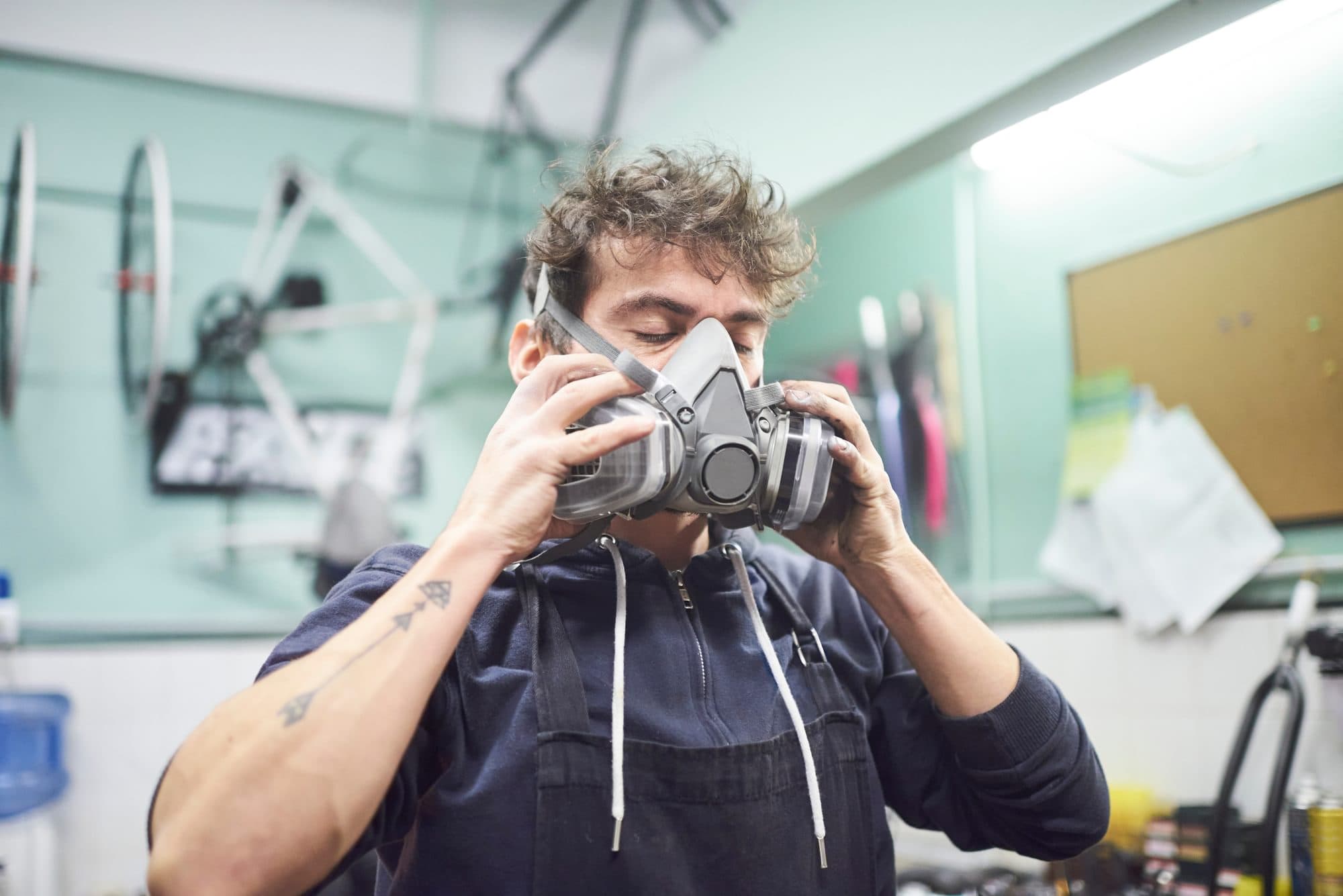
There is no single exposure rule for every agent. OSHA’s Respiratory Protection standard requires a written respiratory protection program when respirators are necessary to protect employee health or when the employer requires respirator use. Voluntary respirator use is treated differently and still has conditions that must be managed.
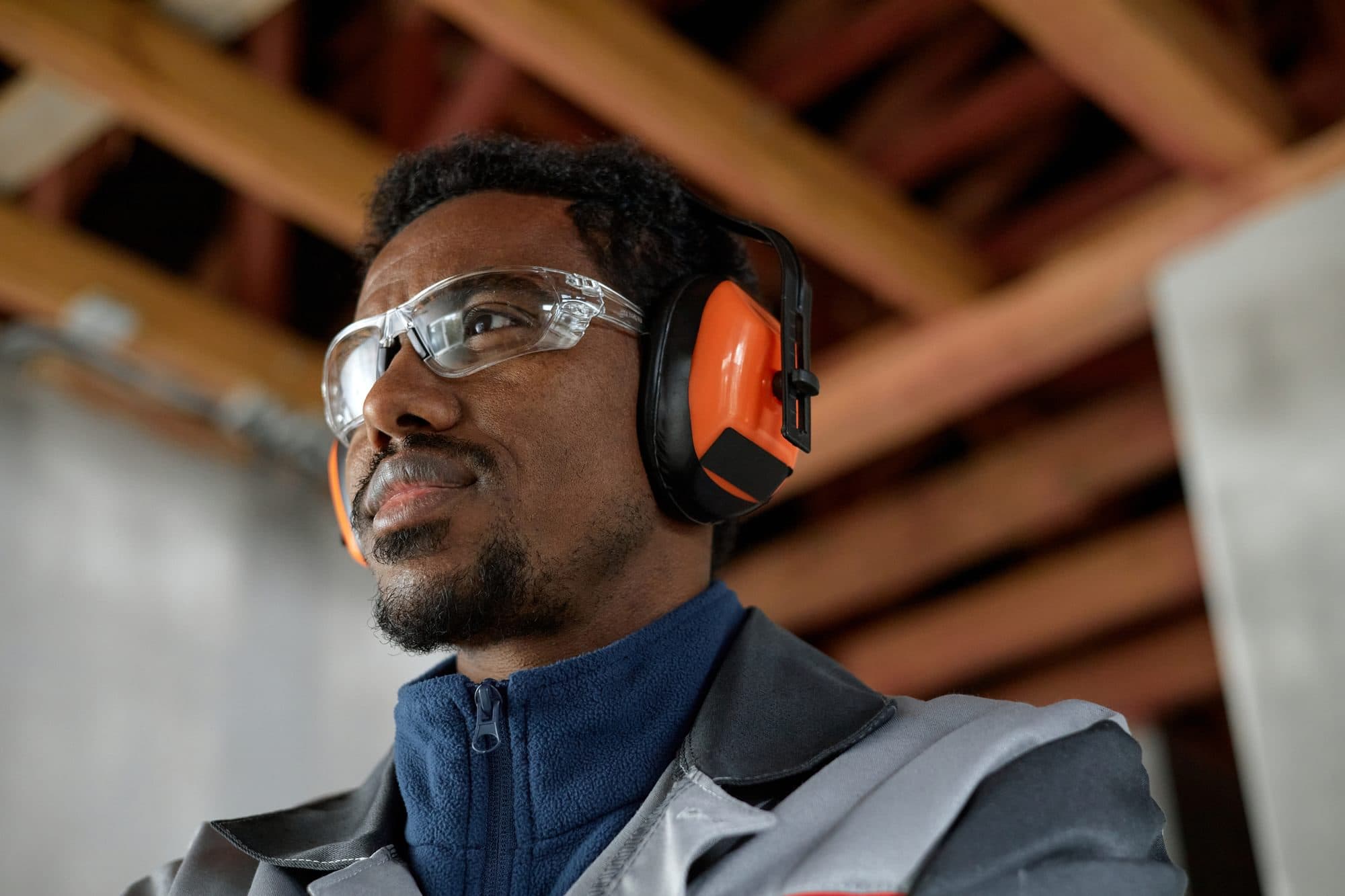
Hazard Communication requires employers to communicate chemical hazards through labels, Safety Data Sheets, and employee training, but HazCom does not prove the actual exposure level. Noise has its own trigger: OSHA requires a hearing conservation program when employee noise exposures equal or exceed an 8-hour time-weighted average of 85 dBA, calculated without credit for hearing-protector attenuation. Substance-specific standards, construction rules, and State Plan requirements may add separate monitoring, notification, control, record, or medical-surveillance obligations.
That is why the first step is not “which test should we buy?” It is “what standard, hazard, task, and employee group are we evaluating?”
PPE Is a Layer, Not the Exposure Control Strategy
Respirators, gloves, hearing protection, protective clothing, and other PPE may be necessary. They are not a substitute for understanding the hazard. The hierarchy of controls still matters: elimination, substitution, engineering controls, administrative controls, and PPE all have a role, while the exact legal duty depends on the applicable standard and exposure conditions.
A stronger review asks whether current controls match the measured or reasonably assessed exposure, whether employees are trained for the protection they use, whether respirators are medically cleared and fit tested when required, and whether the program is reassessed when materials, processes, ventilation, equipment, production rates, or staffing change.
What Documentation Should Help Leadership Verify
Exposure documentation should help leadership verify what was assessed, which employees or tasks were represented, what method was used, what results or objective data supported the decision, what controls were selected, what employees were told, and what follow-up was completed.
Those records should not be lumped together carelessly. Exposure records, employee medical records, respirator fit-test records, noise measurement records, OSHA Logs, training records, and management corrective-action records can have different access rules, privacy concerns, and retention requirements. Employers should not retain full respirator medical questionnaires or detailed clinical information in ordinary safety files. A simple record-requirements matrix can help define what is kept, where it is kept, who may access it, and how long it must be retained.
Assessment and Medical Surveillance Are Related, Not the Same
Exposure assessment helps define workplace conditions and control needs. Medical surveillance or clinical evaluation applies only when a specific standard, occupational-health program, or medical provider’s role calls for it. Pulmonary function testing, blood testing, audiograms, or other clinical steps should not be treated as generic exposure-assessment tools. They belong in the specific program that requires or justifies them.
How GMG EnviroSafe Can Help
HealthAssure® is GMG EnviroSafe’s program focused on worker health, exposure, industrial hygiene, and prevention. Depending on the agreed scope, GMG can support employers with workplace exposure assessment, industrial hygiene review, respiratory-protection program review, noise exposure monitoring, employee-notification support, corrective-action prioritization, recordkeeping review, and coordination with licensed medical providers when clinical services are needed.
The right next step is scoped and practical: define the hazard, assess the actual work, compare controls and documentation against applicable requirements, and prioritize follow-through.
Sources
(1) OSHA. 29 CFR 1910.134, Respiratory Protection. https://www.osha.gov/laws-regs/regulations/standardnumber/1910/1910.134
(2) OSHA. 29 CFR 1910.1200, Hazard Communication. https://www.osha.gov/laws-regs/regulations/standardnumber/1910/1910.1200
(3) OSHA. 29 CFR 1910.95, Occupational Noise Exposure. https://www.osha.gov/laws-regs/regulations/standardnumber/1910/1910.95
(4) OSHA. Injury and Illness Recordkeeping, 29 CFR 1904. https://www.osha.gov/laws-regs/regulations/standardnumber/1904
(5) OSHA. 29 CFR 1910.1020, Access to Employee Exposure and Medical Records. https://www.osha.gov/laws-regs/regulations/standardnumber/1910/1910.1020
(6) OSHA. State Plans. https://www.osha.gov/stateplans
(7) NIOSH. Hierarchy of Controls. https://www.cdc.gov/niosh/hierarchy-of-controls/about/index.html
(8) GMG EnviroSafe. HealthAssure®. https://www.gmgenvirosafe.com/healthassure