Preparing Print Shops for OSHA and EPA Inspections
Why OSHA and EPA Inspections Matter for Print Shops
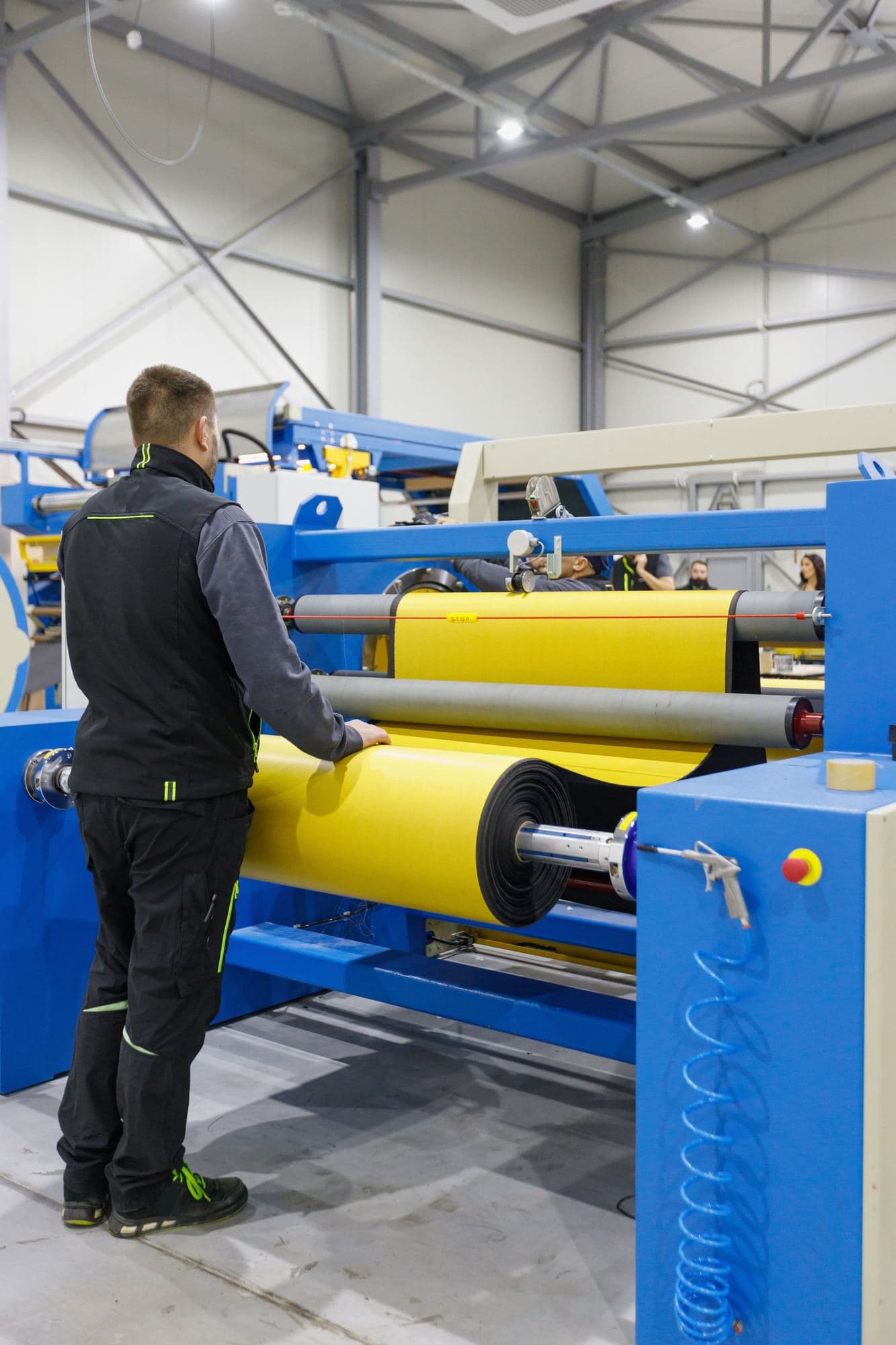
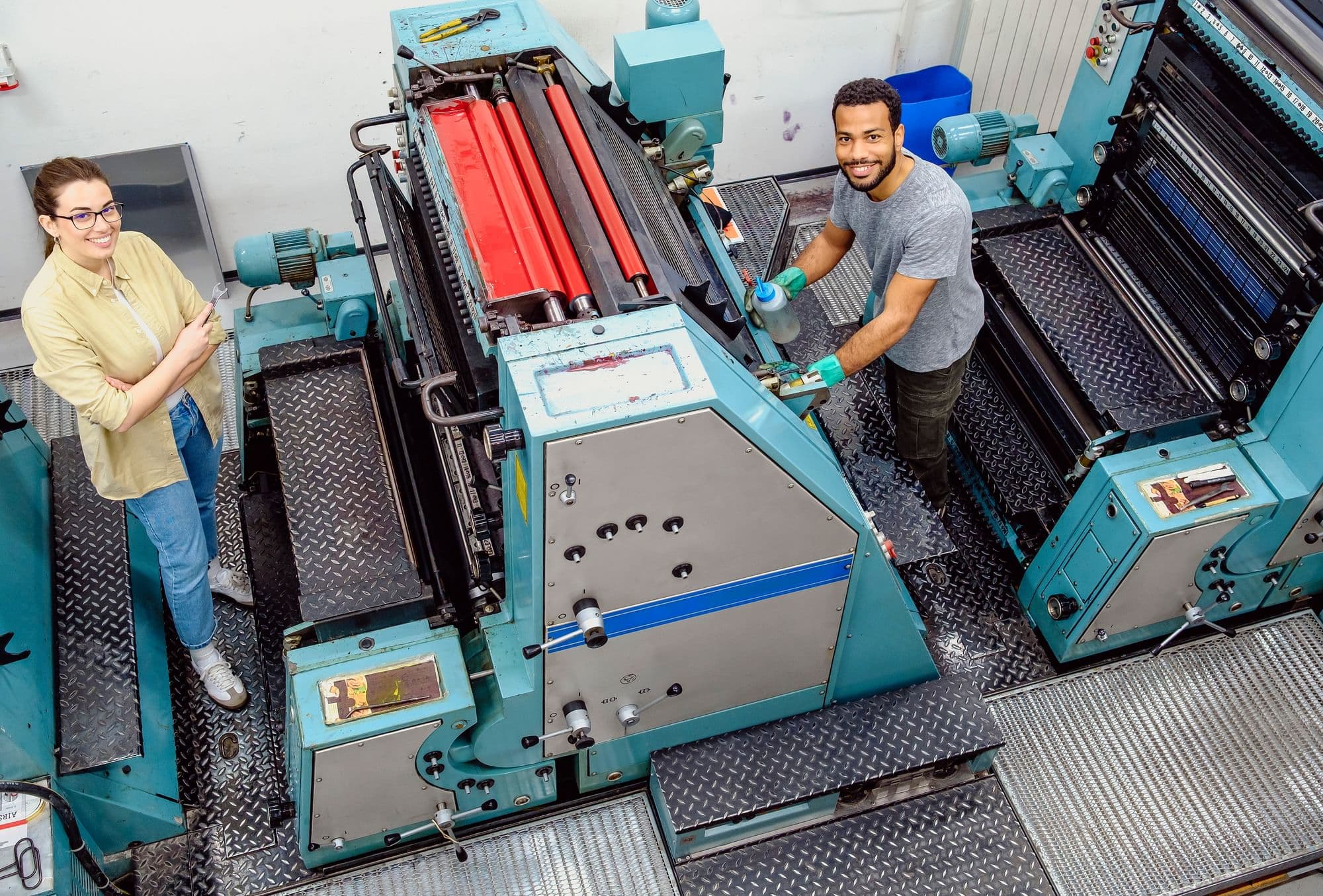
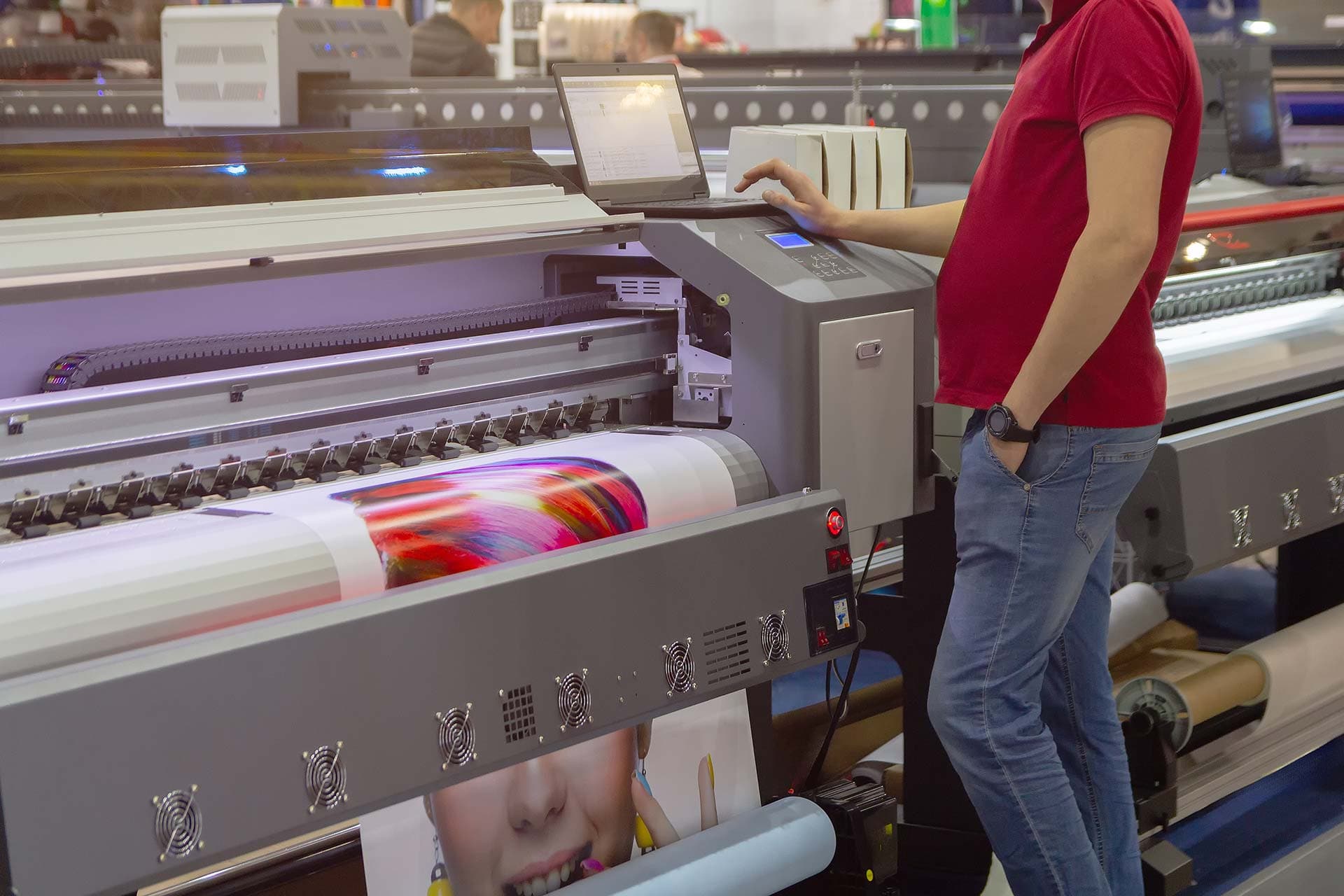
Print shops operate at the intersection of worker safety and environmental responsibility. Daily operations routinely involve chemicals, flammable materials, specialized equipment, and regulated waste streams, including inks, coatings, solvents, and cleaning agents used across printing and finishing processes. These conditions place printing facilities within the normal scope of OSHA and EPA oversight (1).
OSHA and EPA inspections focus on how print shops manage safety and environmental responsibilities in everyday operations, not on paperwork prepared solely for inspection day.
The outcome of an inspection is rarely determined on the day it occurs. It reflects how consistently compliance practices are maintained over time, how closely documentation aligns with actual operations, and how effectively safety and environmental responsibilities are integrated into daily workflows.
Print shops that maintain steady, well-documented compliance programs are better positioned to respond efficiently, provide clear records, and continue operating with minimal disruption when inspections occur.
Why Checklist-Based Compliance Fails in Print Shops
When compliance is managed as a periodic task rather than an ongoing operational function, misalignment tends to develop gradually. In print shops, this often shows up as documentation that no longer reflects current inks or coatings, training records that lag behind changes in press or finishing equipment, or environmental controls that fall out of step as production methods evolve.
These misalignments commonly involve hazardous waste accumulation practices, air emissions oversight, and chemical handling under EPA regulations (2)(3), along with workplace safety programs, training, and recordkeeping expectations under OSHA standards (1).
In most cases, these issues are not the result of neglect. They reflect the practical challenge of balancing production demands, staffing changes, and evolving regulatory requirements in environments where safety and environmental responsibilities must coexist with day-to-day operational priorities.
What OSHA and EPA Inspection Readiness Looks Like in Print Shops
Inspection readiness is built through consistent, well-integrated practices across daily operations. Print shops prepared for OSHA and EPA inspections share a common operational foundation centered on alignment, documentation, and follow-through rather than perfection.
Clear Documentation and Recordkeeping for Print Shops
Safety Data Sheets (SDS), written safety programs, training records, and OSHA logs are current, accessible, and aligned with the materials and processes in use, including inks, solvents, coatings, and press chemicals (1). Environmental permits, waste determinations, and air-related documentation are maintained so they can be produced promptly and confidently during an inspection (2)(3).
Employee Training and Hazard Awareness in Print Shops
Employees understand the chemical hazards they work with, required personal protective equipment (PPE), emergency procedures, and proper waste handling practices tied to their roles in printing, finishing, and maintenance operations (1)(2). Training reflects current processes rather than outdated assumptions.
Maintaining Compliant Work Areas in Printing Facilities
Chemical storage locations, waste accumulation areas, and production equipment are managed in accordance with applicable OSHA and EPA requirements, helping reduce safety risk and regulatory exposure across the facility (1)(2)(3).
Keeping Compliance Aligned as Printing Operations Change
When materials, equipment, or workflows change, such as new inks, coatings, or finishing processes, compliance programs are reviewed and adjusted to stay aligned. This reduces misalignment and limits the need for last-minute corrections when questions arise (1)(2).
Why Inspection Readiness Is a Business Advantage for Print Shops
Inspection readiness is not just about regulatory response. It supports safer operations, clearer internal accountability, and more resilient business continuity. Facilities that build compliance into daily operations experience fewer disruptions, stronger employee confidence, and smoother interactions with regulators when questions arise.
For many print shops, the challenge is not recognizing that compliance matters, but having the structure and support needed to keep programs current as operations evolve.
A Practical Compliance Self-Check for Print Shop Owners
Even in well-managed print shops, small operational changes can gradually affect compliance alignment. Periodically stepping back to review a few practical questions helps keep compliance aligned with day-to-day operations:
- Have new inks, coatings, solvents, or cleaning chemicals been introduced in the past 6–12 months?
- Have any press, finishing, or waste-handling processes changed since programs were last reviewed?
- Has employee turnover shifted responsibility for chemical handling, waste management, or safety documentation?
- Do written programs and training materials still reflect how work is actually performed today?
If any of these areas have changed, a focused review can help ensure compliance programs remain aligned with current operations and inspection expectations. This type of review is most effective when it is built into ongoing operations rather than addressed reactively.
How GMG EnviroSafe Supports OSHA and EPA Compliance for Print Shops
GMG EnviroSafe works alongside print shops as a long-term environmental health and safety compliance partner. We help facilities strengthen OSHA and EPA readiness through practical guidance, consistent oversight, and hands-on support that adapts as operations change.
This approach supports continuity across materials, staffing, and production demands, helping compliance programs stay aligned with day-to-day realities rather than falling behind operational change.
A proactive review of your current compliance approach helps identify gaps early and strengthen inspection readiness. Our team provides the support needed to move forward with confidence.
Sources
- Occupational Safety and Health Administration (OSHA). (n.d.). Safety and Health Topics: Printing Industry. Retrieved from OSHA.gov
- U.S. Environmental Protection Agency (EPA). (n.d.). Hazardous Waste Regulations and Generator Responsibilities. Retrieved from EPA.gov
- U.S. Environmental Protection Agency (EPA). (n.d.). Air Emissions from Printing and Publishing. Retrieved from EPA.gov