HealthAssure
Heat Stress Prevention Requires More Than a Written Plan
Most employers with a heat illness prevention plan still experience heat-related incidents. That is not a coincidence. It is the predictable result of treating a written plan as the endpoint rather than the starting point.
A document in a binder does not acclimatize new workers. It does not adjust work when humidity spikes mid-shift. It does not help a supervisor recognize early warning signs before a worker collapses. The plan describes what should happen. The program is what actually protects people.
Heat kills more U.S. workers each year than any other weather-related cause. From 2017 to 2022, OSHA investigated over 1,000 heat-related injuries, illnesses, and fatalities, and heat-related incidents continue to rise. (1) These are not limited to employers without plans. Many occur where plans exist but have not been fully implemented in the field.
The gap is not documentation. It is execution.
Why Heat Risk Is Broader Than Most Employers Expect
Heat is not just an outdoor problem or a summer issue. OSHA is clear that hazardous heat exposure can occur indoors or outdoors, in any season, whenever environmental conditions, workload, and clothing or PPE combine to overwhelm the body's ability to regulate temperature. (4)
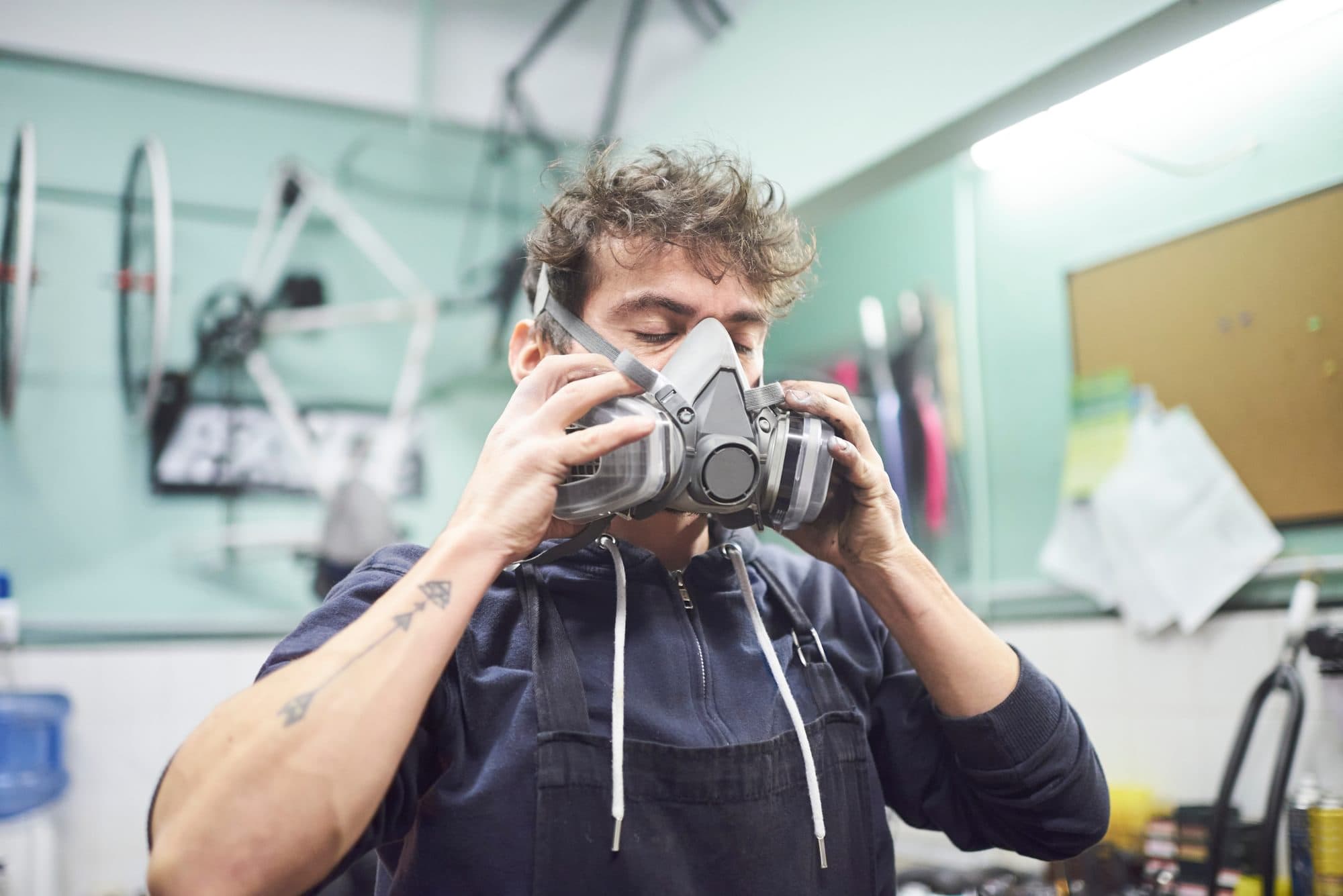
Warehouses, commercial kitchens, manufacturing floors, and any space with limited airflow or heat-generating equipment can present the same risks as an outdoor job site. PPE and uniforms can further increase heat burden, even when ambient temperatures seem manageable.
A complete heat program identifies all environments where heat stress is possible, not just the ones that look obvious on a checklist.
The Missing Piece: Acclimatization
If there is one element that consistently separates effective programs from paper compliance, it is acclimatization.
OSHA and NIOSH data show that most heat-related fatalities occur within the first few days of exposure to elevated temperatures. (1) The body needs time to adapt. New workers, workers returning from an absence of a week or more, and those reassigned to hotter environments carry the highest risk precisely when they are newest to the conditions.
The recommended approach is gradual exposure, often referenced as the Rule of 20 Percent, where heat workload increases incrementally over the first week and full exposure is not reached until the body has had time to build tolerance. (3)
In practice, this is rarely implemented. Workers are placed into full workloads immediately because operations demand it. Supervisors may not know how to stage the exposure, or may not have authority to modify schedules. If acclimatization is not actively managed and tracked, it is not happening, regardless of what the plan says.
Hydration, Rest, and Cooling Must Be Built Into the Workday
Water, rest, and cooling are the foundation of heat illness prevention. They are also where many programs break down in practice.
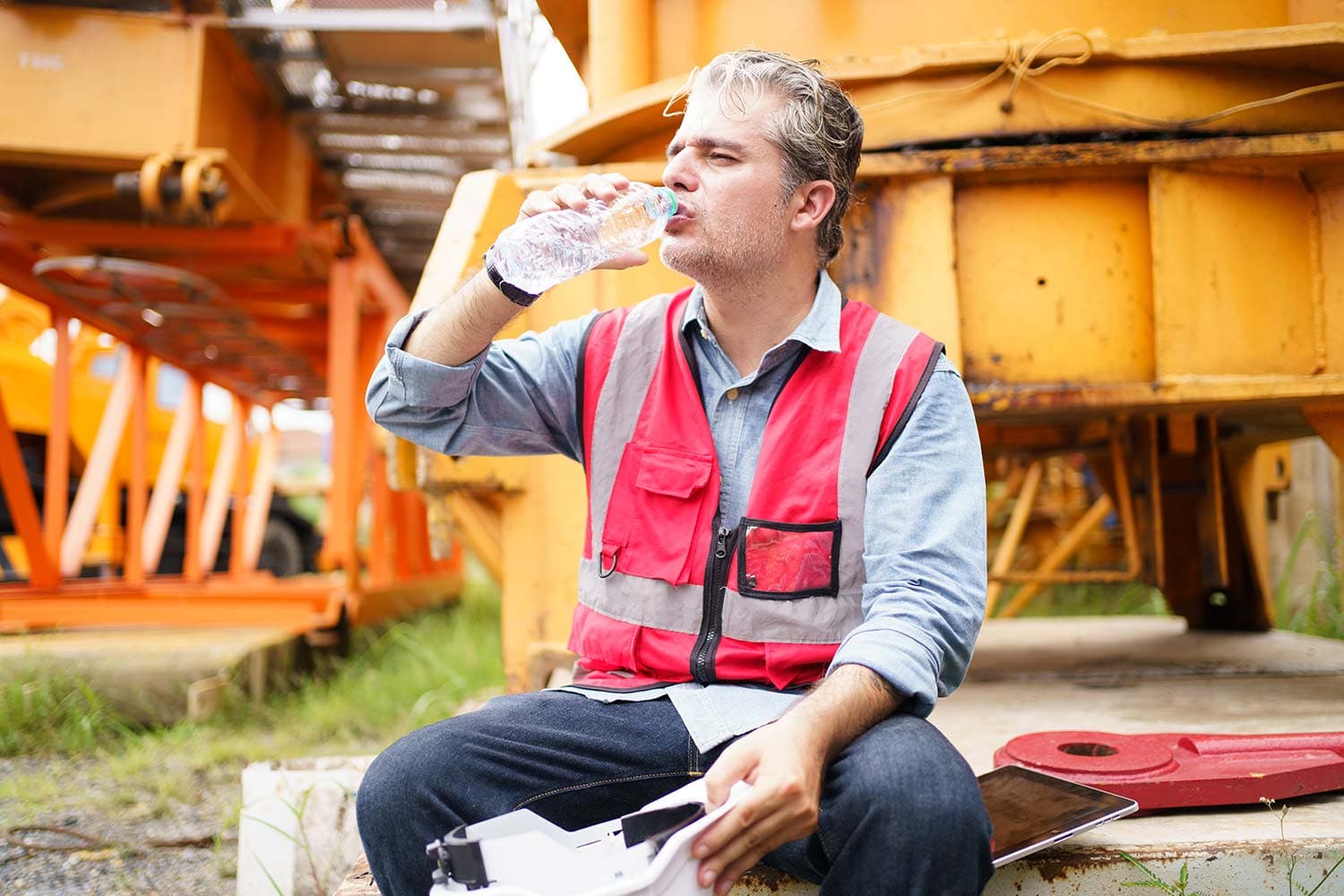
Providing water means more than making it available somewhere on site. It needs to be close enough to access without workers leaving their work zone, cool enough that workers will actually drink it, and available in sufficient quantity for the pace and duration of the work. Rest and cooling areas must be usable during the shift, not only at scheduled break times. If they are too far away or workers feel they cannot leave work to use them, they will not be used when they are needed most.
Work scheduling plays an equally critical role. High-exertion tasks should be planned for the cooler parts of the day when possible, and supervisors must have clear authority to slow the pace, rotate crews, or adjust operations when conditions worsen mid-shift. If these controls are not built into how work is actually performed, they are not controls. They are suggestions.
Supervision and Response: Where Plans Succeed or Fail
A written plan cannot monitor workers. Supervisors and crews do that, and only when they know what they are looking for.
Early signs of heat illness such as fatigue, dizziness, and confusion can escalate quickly. OSHA identifies severe warning signs including disorientation, slurred speech, and loss of consciousness that require an immediate emergency response. (4) Supervisors must be trained not just to recognize these signs, but to act without hesitation: move the worker to a cooler area, begin cooling, and call for emergency assistance when serious symptoms are present.
Workers play a role too. A trained buddy system extends monitoring to the crew level, where behavioral changes are often noticed before a supervisor at a distance would catch them. These systems work only when expectations are clear and responsibilities are assigned. If no one is specifically accountable for monitoring workers or initiating response, delays are predictable.
Heat Prevention Is a Worker Wellness Issue
Heat risk is not the same for every worker. Health conditions, medications, fitness levels, hydration habits off the clock, and recovery between shifts all affect how well an individual tolerates heat exposure.
Fatigue and chronic dehydration reduce resilience over the course of a season, not just on the hottest single day. PPE and work clothing increase heat load significantly and cannot be ignored in the overall risk assessment. These factors do not appear in a written plan, but they directly affect outcomes in the field.
This is where heat illness prevention connects to HealthAssure's total worker wellness approach. Effective prevention considers the worker arriving at the shift, not just the environment they are entering. It accounts for individual health factors, recovery between shifts, and the cultural conditions that determine whether workers feel safe reporting symptoms early or push through discomfort until a situation becomes serious.
A written plan is static. A prevention program is active. It requires daily monitoring of conditions, supervisor engagement, acclimatization tracking, accessible hydration and cooling, and clear response procedures with named accountability. Without those elements, the plan does not translate into protection when conditions are at their worst.
Supporting Heat Stress Prevention Through HealthAssure
GMG EnviroSafe's HealthAssure program helps employers close the gap between written heat illness prevention policy and the daily operations, supervisory practices, and worker wellness supports that actually protect people. That means identifying where programs break down in practice, aligning controls with how work is actually performed, and building the accountability and monitoring systems that make prevention function in real conditions.
If you are already working with GMG EnviroSafe, the period before peak heat season is the right time to evaluate how your heat prevention program is functioning in the field, not just how the plan reads on paper. If you are not yet a client and want to build a program that goes beyond documentation to daily protection, contact us now.
GMG EnviroSafe is here to ensure your heat prevention plan is operating as a system that protects your workforce every day.
Sources
(1) U.S. Department of Labor, Occupational Safety and Health Administration. (2024). Heat Injury and Illness Prevention in Outdoor and Indoor Work Settings: Notice of Proposed Rulemaking. Federal Register. https://www.federalregister.gov/documents/2024/08/30/2024-14824/heat-injury-and-illness-prevention-in-outdoor-and-indoor-work-settings
(2) CPWR -- The Center for Construction Research and Training. (2025). Heat-Related Injuries and Illnesses Among Construction Workers. https://www.cpwr.com
(3) CDC/NIOSH. (2024). Heat Stress: Workplace Recommendations. https://www.cdc.gov/niosh/heat-stress/recommendations/index.html
(4) OSHA. (2024). Heat -- Overview: Working in Outdoor and Indoor Heat Environments. https://www.osha.gov/heat-exposure