Auto
From Violation to Resolution: How Auto Repair Shops Should Handle an OSHA Citation
Receiving a citation from OSHA can create immediate pressure for a busy auto repair shop. It often arrives in the middle of a packed schedule, and it raises important questions about deadlines, corrective actions, documentation, and what comes next.
The key is to treat the citation as a process to work through, not a moment to panic. An OSHA citation comes with clear steps, firm deadlines, and response options. Handled well, it lets you correct the problem, meet OSHA's deadlines, document your response, protect your team, and move forward with a stronger safety program.
This guide explains what an OSHA citation means, why auto repair shops are commonly cited, and the key steps to take from the day it arrives.
What an OSHA Citation Means
An OSHA citation is a written notice. For each issue the inspector found, it lists 4 things: the standard, or rule, OSHA believes you violated, a short description of the hazard, how serious OSHA considers it, and a date by which you must fix it. That fix is called "abatement." (1)
Citations come in a few types. In plain terms:
- Other-than-serious: a safety or health issue that is not likely to cause serious harm.
- Serious: a hazard that could cause death or serious injury, and that you knew about or should have known about.
- Repeat: you were cited for the same or a similar issue before.
- Willful: OSHA believes you ignored the rule on purpose or showed plain indifference to it.
- Failure to abate: you did not correct a cited hazard by the deadline. (1)
Penalties depend on the type. For 2026, the maximum is $16,550 for a serious or other-than-serious violation, and up to $165,514 for a willful or repeat violation. A failure-to-abate violation can add up to $16,550 for each day a hazard stays uncorrected past the deadline. (2)
This matters especially if you operate more than one shop. If OSHA finds a violation at one of your locations and then finds the same violation at a second location, that second finding can be cited as a repeat violation, carrying a penalty of up to $165,514. The safer approach is to correct an issue across all of your locations, not just the shop where it was first found. (2)
Two things are worth knowing. First, those are maximums, not what most shops pay. OSHA considers factors such as the gravity of the hazard, employer size, compliance history, and good-faith efforts when calculating proposed penalties. (3) Good-faith efforts can include the safety systems you already have in place: a written employee health and safety program, employee safety training, routine workplace inspections, and investigating incidents and near misses. Second, acting quickly also matters: correcting a hazard promptly and keeping clear records show good faith and may be considered in the process. (3)
Why Auto Repair Shops Get Cited: Common OSHA Violations
Auto repair is exactly the kind of work OSHA pays attention to, because so many hazards sit side by side: paints and solvents, flammable liquids, lifts, compressed air, welding, grinding, batteries, and spray finishing. (4) OSHA flags chemical hazards in body shops such as the solvents in paints, the isocyanates in clearcoats and fillers, hexavalent chromium in some coatings, silica from blasting, and metal fumes from welding, along with physical hazards like noise, lifts, and oily floors. (4)
The citation data backs this up. In federal OSHA's FY 2025 citation data, the standards cited most often in automotive repair shops were Hazard Communication, Respiratory Protection, PPE, lockout/tagout, and first aid, among others. (5) For collision and body shops specifically, Respiratory Protection is the single most cited standard, followed by Hazard Communication and spray finishing. (6)
Many citation issues start as small, preventable gaps: a spray bottle with no label, a Safety Data Sheet (SDS) that never made it into the binder, a painter using a respirator without current fit testing, or a maintenance issue that was never documented. Small gaps, left alone, can turn into citations. The flip side is that they are very fixable.
How to Respond to an OSHA Citation: Your First 15 Working Days
The clock starts the day the citation arrives. You have 15 working days (Monday through Friday, not counting federal holidays) to respond in writing if you disagree with any part of it. Miss that window, and the citation and penalty become final and generally cannot be challenged later. (1) So the first move is simple: read everything carefully, and put every date on the calendar.
Step 1: Read it and calendar every deadline
Don't panic, and don't set it aside. For each item, find the deadline to respond, the correction date, and whether OSHA marked it serious, repeat, or willful. Those higher-level items deserve your attention first. The citation also arrives with an OSHA booklet that explains your rights and responsibilities, and it is worth reading. (1)
Save the full citation package while you are at it: the inspection number, OSHA's contact information, and any notes, photos, or documents from the inspection. You will want them on hand for the steps that follow.
Step 2: Post the citation
This step is required, and it is easy to forget. Post a copy of the citation at or near where the hazard was found, and keep it up until the hazard is corrected or for 3 working days, whichever is longer. You must post it even if you plan to challenge it, and you are allowed to cover the dollar amounts. (7) Posting lets your team see what was found and what is being fixed. Employees also have the right to see posted citations and to raise safety concerns without fear of retaliation.
Step 3: Protect your people first
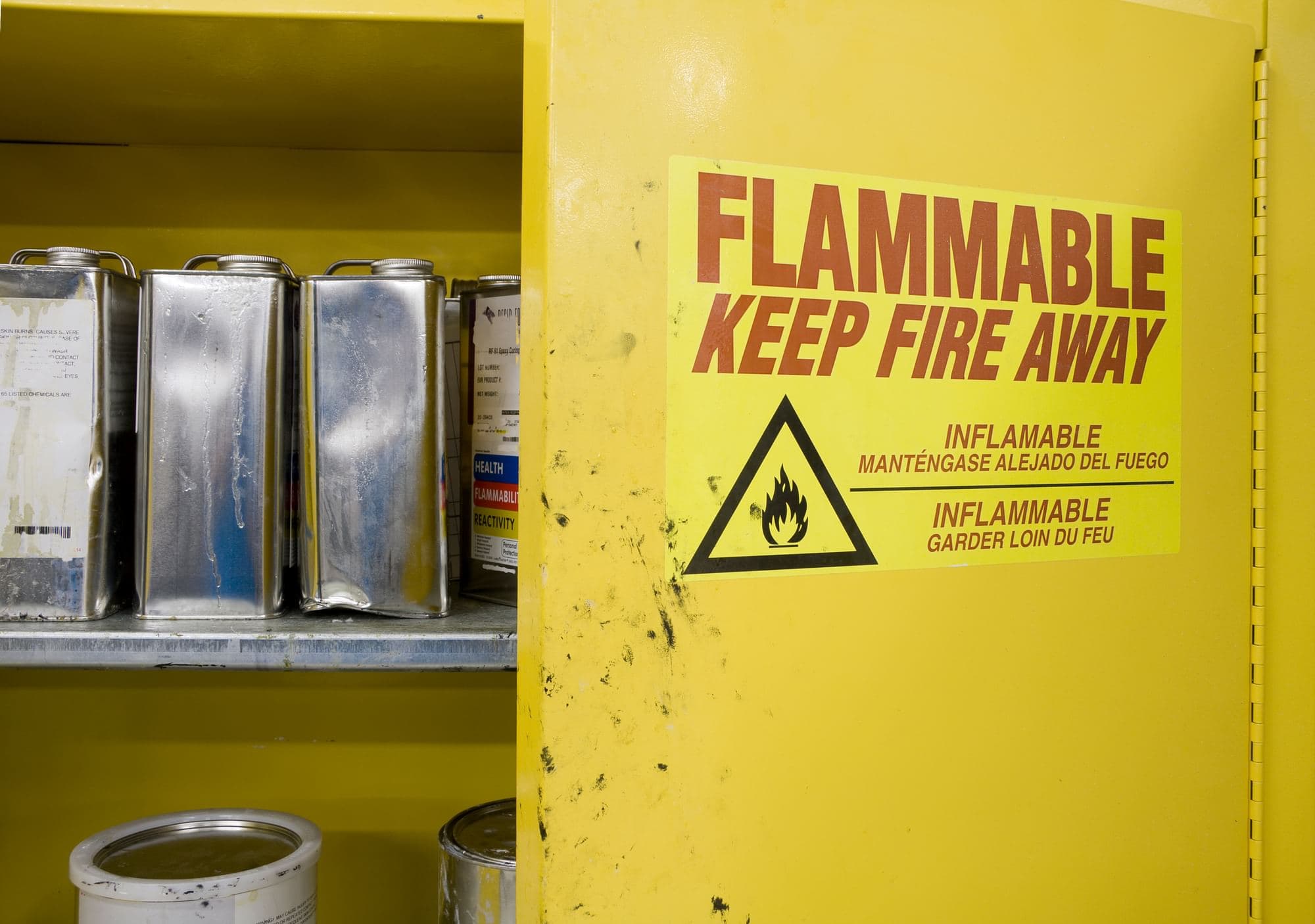
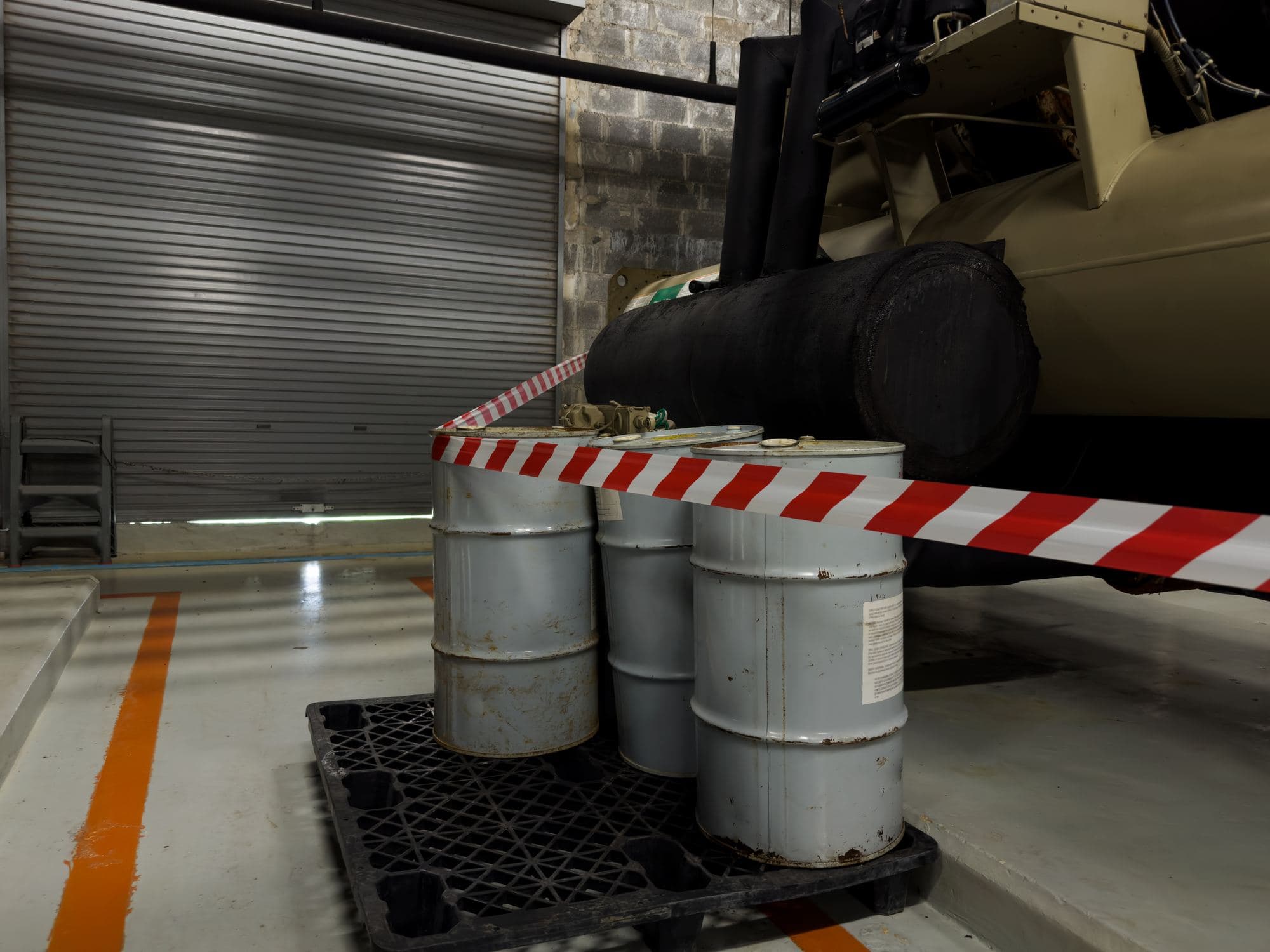
If the cited hazard is still present, control it now, while you work through the paperwork. That might mean pulling a damaged extension cord out of service, clearing a blocked exit, moving flammable liquids into approved storage, taking an unguarded grinder offline, or pausing spray work until the right ventilation and respirators are in place. Worker safety comes before the formal process, not after it.
Step 4: Choose your path
You have 3 options, and you can mix them item by item:
- Accept and correct. If the citation is accurate and you do not plan to contest it, correct the hazard by the abatement deadline, document the correction, and address the proposed penalty.
- Request an informal conference. You can ask to meet with the OSHA Area Director within the 15-day window to talk through the citation. Bring proof of conditions and any fixes you have already made. Depending on the facts, an informal conference may lead to a revised penalty, a reclassified or withdrawn item, an adjusted correction date, or an informal settlement agreement. (7) One thing to plan around: an informal conference does not pause your 15-day deadline. (1)
- Contest it. If you believe OSHA got the facts wrong, cited the wrong rule, or overlooked controls you already had, you can formally contest in writing within the 15 days. The case then goes to an independent review commission and is handled much like a court case. (1)
A clear line to keep in mind: GMG EnviroSafe can support the compliance, documentation, and abatement side of any of these paths. A formal contest, though, is a legal proceeding, and that is the point to bring in qualified legal counsel.
Step 5: Fix it, then prove you fixed it
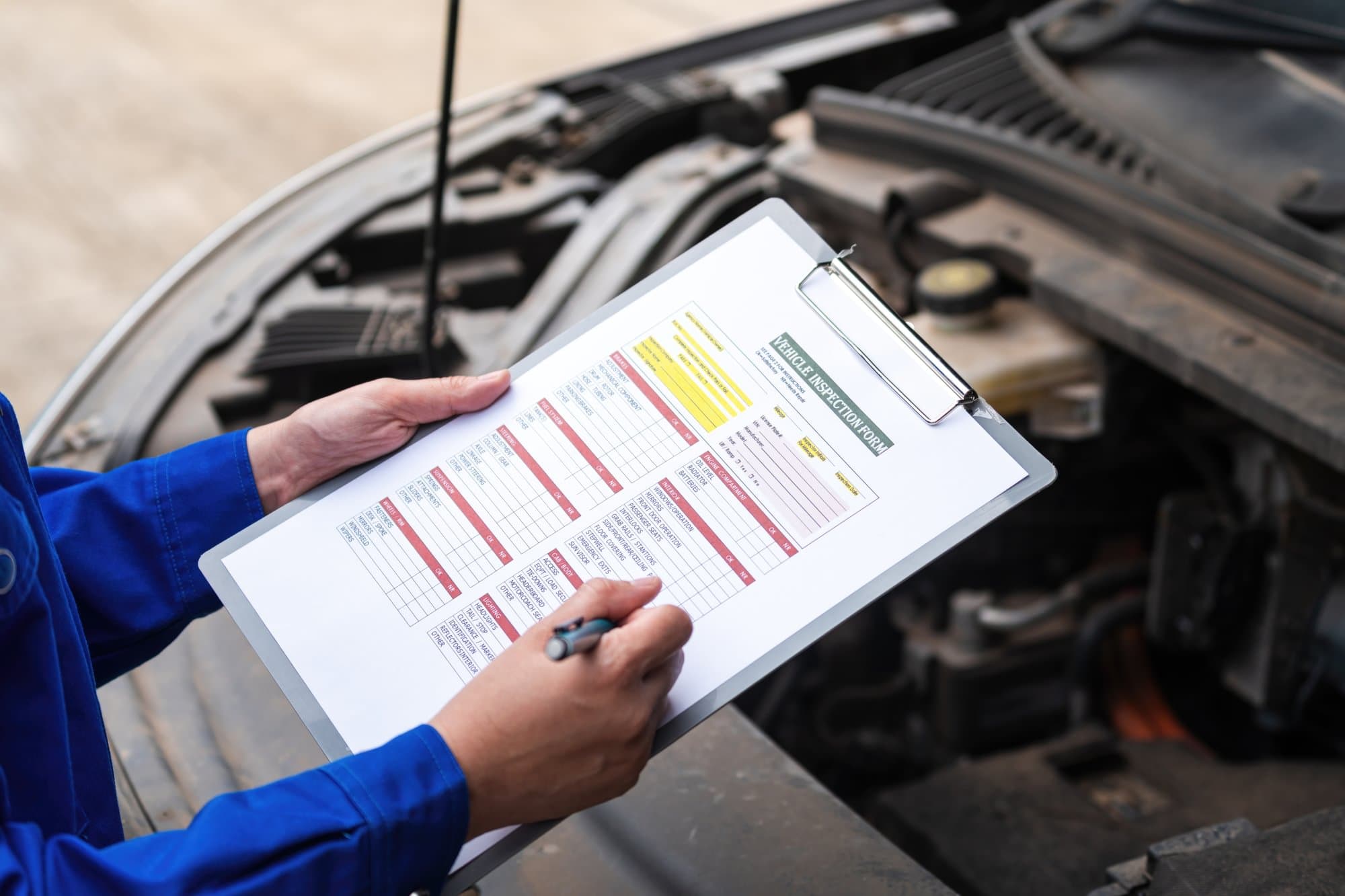
Correcting the hazard is only half the job. OSHA also expects you to certify the fix in writing, generally within 10 calendar days after each correction deadline, stating what you did and when. (8) For serious, willful, or repeat items, back it up with evidence: before-and-after photos, repair or purchase records, updated written programs, or training sign-in sheets. (8) Saying you took care of it is not enough on its own. A strong abatement file shows what changed, when it changed, and that your team was told.
How to Prevent a Repeat OSHA Citation
A citation is truly closed only when the hazard is gone and you have a system to keep it gone. This matters because repeat and failure-to-abate citations carry the steepest penalties, and many can be prevented with clear follow-through and documentation. (2)
The best move is to treat the citation as a symptom, not the full issue. If OSHA cited one unlabeled bottle, the real fix is not one label. It is a simple, repeatable process for labeling every secondary container, adding new chemicals to your inventory, and training each new technician.
A few habits prevent most repeats:
- Run a monthly walkthrough of the shop floor.
- Keep written programs current, including Hazard Communication, respiratory protection, and lockout/tagout.
- Put one person in charge of tracking corrective actions to completion.
- Keep training and inspection records in one place.
- Build basic safety steps into how you onboard new hires.
Common Mistakes Auto Shops Make After an OSHA Citation
- Waiting too long. The 15-working-day deadline is short, and an informal conference does not extend it. (1)
- Paying the penalty but not fixing the system. The hazard, and the citation risk, are still there.
- Correcting the hazard but not documenting it. OSHA expects certification and, often, proof. (8)
- Treating one citation as one isolated problem instead of a sign of a gap to close.
How GMG EnviroSafe Helps Auto Repair Shops Move From Violation to Resolution
A citation does not have to define your shop's safety program. With the right response, it can become a turning point: hazards are corrected, documentation is strengthened, employees are better protected, and the shop is better prepared moving forward.
As your compliance partner, GMG EnviroSafe helps auto repair shops move from citation response to long-term prevention. Our hands-on support includes:
- Reviewing the citation and translating each item into clear, practical next steps.
- Helping you prioritize and control hazards right away.
- Site-specific Environmental, Health, and Safety (EHS) compliance assessments to identify and correct compliance gaps before they become larger issues.
- Building or updating written programs, including Hazard Communication, respiratory protection, PPE, lockout/tagout, and emergency procedures.
- Organizing abatement documentation, from photos to corrective-action logs to training records.
- Hands-on training for technicians, service managers, and supervisors.
We help manage the details, so your team stays protected and your compliance program stays on track.
Dealing with an OSHA citation right now, or want to close compliance gaps before they become bigger issues? GMG EnviroSafe can help you understand the next steps, organize your documentation, and strengthen your safety program moving forward.
Sources
- OSHA. Employer Rights and Responsibilities Following a Federal OSHA Inspection. osha.gov
- OSHA. 2026 Annual Adjustments to OSHA Civil Penalties (memorandum, May 21, 2026). osha.gov/memos
- OSHA. OSHA Penalties. osha.gov/penalties
- OSHA. Autobody Repair and Refinishing - Overview. osha.gov/autobody
- OSHA. Frequently Cited OSHA Standards: NAICS 8111, Automotive Repair and Maintenance. osha.gov
- OSHA. Frequently Cited OSHA Standards: NAICS 811121, Automotive Body, Paint, and Interior Repair and Maintenance. osha.gov
- OSHA. Citation and Notification of Penalty / Abatement. osha.gov/abatement
- OSHA. Field Operations Manual (CPL 02-00-163), Chapter 7, and 29 CFR 1903.19 (abatement certification and documentation). osha.gov