HealthAssure
How Can PFAS Enter the Body?
Per- and polyfluoroalkyl substances (PFAS) can enter the body through food and water, air, and, under some conditions, the skin. These routes do not contribute equally in every setting. For many people, swallowing PFAS in food or water is a main exposure route. At work, the materials handled and the way a task is performed can change which routes deserve attention.
For an employer or safety leader, a useful starting point is connecting a possible source to actual exposure. Where is the chemical? Can it reach someone’s mouth, breathing zone, or skin? That connection helps you decide what to investigate instead of treating every PFAS concern as the same problem.
PFAS are a large group of chemicals, not a single substance. A possible exposure doesn't tell you which PFAS are present or how much someone absorbs. Before applying general advice to a workplace, check the chemical identity and the evidence for contact. Keep an unanswered question open until reliable information resolves it.
Food, water, and dust can carry PFAS into the mouth
Swallowing a chemical is called ingestion. PFAS exposure can happen through contaminated drinking water, certain foods, or dust and residue that reach the mouth. In communities with contaminated drinking water, that water can be the main source. In other communities, the relative contribution of different sources varies.
A water concern therefore needs information about the actual supply. Ask the water utility about available PFAS results. If the supply comes from a private well, seek guidance from the local or state health department about testing and next steps. A nearby contamination report is a reason to investigate; it does not establish the concentration in a particular tap or well.
Dust matters because people can swallow and inhale it. The Agency for Toxic Substances and Disease Registry describes ingestion of dust and residue from PFAS-containing products as an exposure pathway. Hand-to-mouth activity can move that material into the body without anyone deliberately swallowing a chemical.
Where a workplace review identifies contaminated residue, include eating areas and hand hygiene in the discussion. Ask whether employees can wash before eating and whether food is kept away from the affected work. These are practical exposure-reduction questions, not evidence that PFAS are present in every dusty area.
Airborne exposure depends on the work
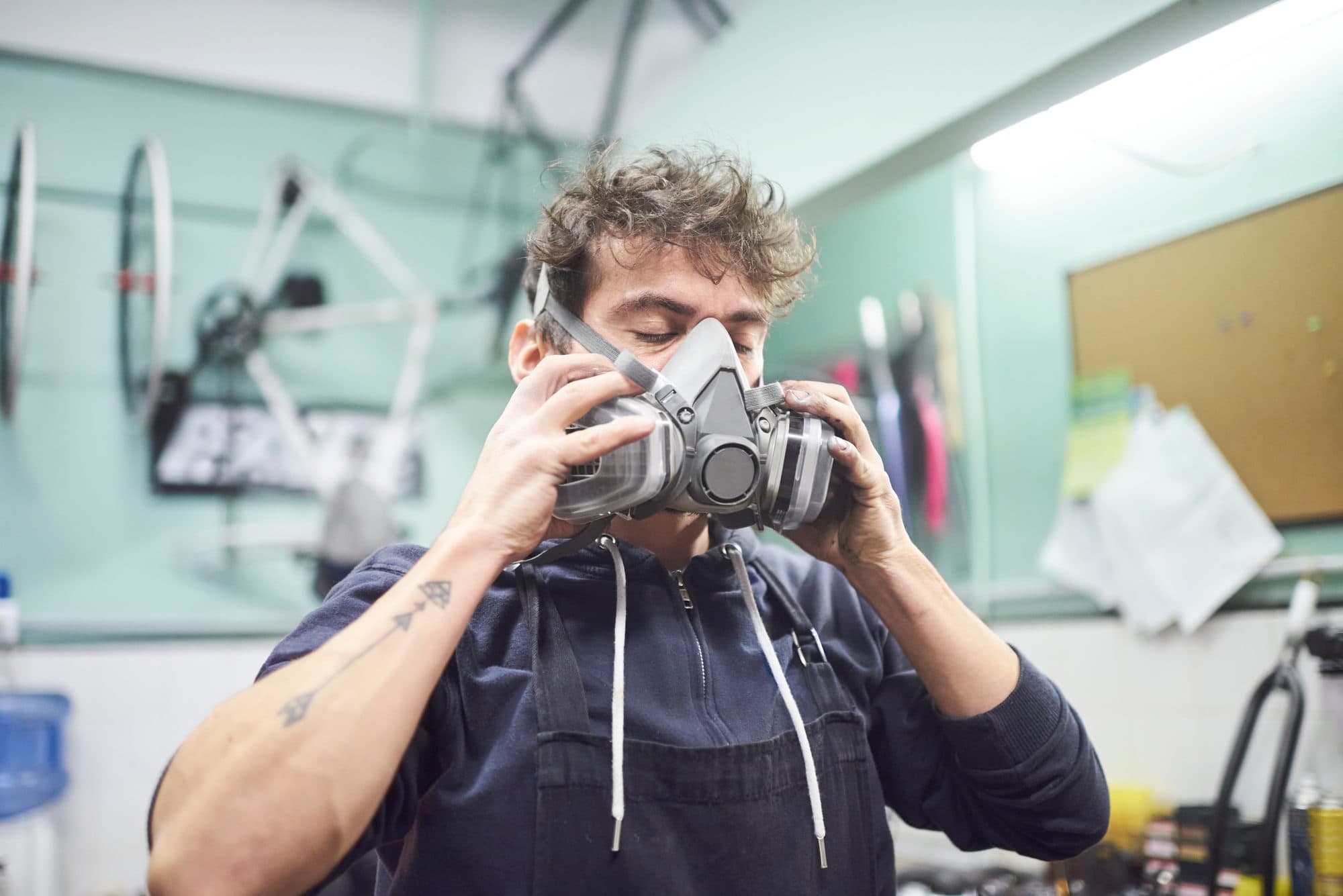
Most PFAS are not volatile, meaning they do not readily enter the air as vapor. That helps explain why inhalation is not a typical exposure route for the general population. This does not rule out breathing PFAS at work when contaminated dust, aerosols, or fumes are released.
The National Institute for Occupational Safety and Health notes that workers may encounter concentrated products or breathe PFAS in workplace air. The specific chemicals, amount of exposure, and routes can vary by work activity. General population information alone cannot answer those task-specific questions.
If a process uses or handles PFAS-containing material, identify what happens during normal work and cleanup. Does material become airborne? Where is the employee positioned? What controls are already in place? Bring those facts to a qualified occupational exposure professional before deciding whether sampling or additional controls are needed.
Skin contact needs context
Skin contact and skin absorption are different. A substance can touch the skin without all of it passing into the body. Current federal public-health guidance describes dermal absorption of PFAS as limited and not apparently a significant exposure route for the general population.
That guidance also says showering or bathing in water containing most PFAS should not significantly increase exposure. It should not be stretched into a claim that skin exposure is impossible, or that handling a concentrated workplace product is equivalent to bathing in water.
For direct workplace contact, review the exact product, concentration, task, and available exposure information. Protective equipment must fit the chemical and the work. A general statement about PFAS does not establish that a particular glove is suitable or that existing protection is adequate.
Use the exposure route to choose your next step
Begin with the source you can investigate. For a drinking-water concern, obtain information about that supply and follow applicable public-health guidance. For a work process, identify the material, how it is handled, and how it could reach employees. Separate what is documented from what still needs to be checked.
Then match the response to the finding. A concern about ingestion calls for different questions than airborne material or direct skin contact. You do not need to assume every route is equally important. You do need enough reliable information to explain which route is plausible in the situation and what action will address it.
Sources
(1) ATSDR. Human Exposure: PFAS Information for Clinicians. https://www.atsdr.cdc.gov/pfas/hcp/clinical-overview/human-exposure.html
(2) NIOSH. PFAS and Worker Health. https://www.cdc.gov/niosh/pfas/about/index.html
(3) ATSDR. About PFAS. https://www.atsdr.cdc.gov/pfas/about/index.html