Auto
How Advanced Windshield Technology is Transforming EHS Standards for Auto Service Businesses
The Rise of Advanced Windshields and EHS Challenges
Windshields have evolved from basic glass panels to integral safety components, now equipped with Advanced Driver Assistance Systems (ADAS) and smart technology that enhance driver safety, visibility, and vehicle functionality.
For auto service businesses handling windshield repair and replacement, these advancements bring both new opportunities and challenges, particularly in the areas of Environmental, Health, and Safety (EHS) compliance:
- ADAS recalibration is now required after most windshield replacements, impacting liability and compliance.
- Workplace safety risks such as electrical hazards, technician strain, and exposure to specialized adhesives and coatings are increasing.
- Smart windshields require specialized handling, including precision alignment, electronic integration, and sensor recalibration.
The automotive smart glass market is experiencing significant growth, driven by the increasing integration of technologies such as Heads-Up Displays (HUDs) and Augmented Reality (AR) overlays in luxury and electric vehicles. According to Allied Market Research, the global automotive smart window market was valued at $1.7 billion in 2022 and is projected to reach $12.3 billion by 2032, growing at a compound annual growth rate (CAGR) of 22.5% from 2023 to 2032 (1).
This rapid technological growth brings new safety and compliance challenges for auto service providers, making it essential to update training and workplace protocols. Here’s what auto service businesses need to know about the EHS challenges posed by advanced windshield technology, and how to stay compliant.
ADAS Windshields: Compliance, Safety, and Workplace Challenges
ADAS (Advanced Driver Assistance Systems) windshields integrate cameras, sensors, and radar technology to enhance vehicle safety. These systems support:
- Lane departure warning and lane-keeping assist
- Adaptive cruise control and automatic emergency braking
- Traffic sign recognition and blind-spot monitoring
Replacing an ADAS-equipped windshield is no longer just a glass swap. It now requires precise recalibration to ensure these systems function correctly. A misaligned sensor can lead to system malfunctions, increasing accident risks and liability concerns.
EHS Risks and Challenges with ADAS Windshield Calibration
- Liability Risks: If ADAS sensors are misaligned after windshield replacement, safety features may fail, leading to accidents, lawsuits, and insurance claims.
- Regulatory Compliance: Many OEMs (Original Equipment Manufacturers) and state laws mandate ADAS recalibration after windshield replacement, requiring businesses to follow strict calibration protocols (2).
- Technician Strain & Workplace Safety Risks: ADAS recalibration requires precise screen monitoring, small adjustments, and detailed verification, increasing eye strain, fatigue, and ergonomic hazards for technicians (3).
Best Practices for Auto Service Businesses
- Ensure proper ADAS recalibration training: Technicians must be trained in OEM-specific static and dynamic calibration techniques to meet compliance requirements.
- Invest in calibration equipment: Proper diagnostic and sensor alignment tools are essential to ensure accurate recalibration and avoid liability.
- Update safety protocols: ADAS calibration involves extended screen time and repetitive adjustments; ergonomic workstations and technician breaks can reduce strain and improve efficiency.
- Integrate ADAS recalibration into standard repair processes: Businesses must verify ADAS functionality after bodywork, frame adjustments, or windshield replacement to prevent safety failures.
Smart Windshields: Advanced Technology, Installation Challenges, and Safety Risks
How Smart Windshields Add Another Layer of Complexity
While ADAS windshields focus on driver safety through automated systems, smart windshields take vehicle technology even further by enhancing visibility, navigation, and overall driving experience. These innovations introduce new EHS challenges, particularly around installation, handling, and electrical safety.
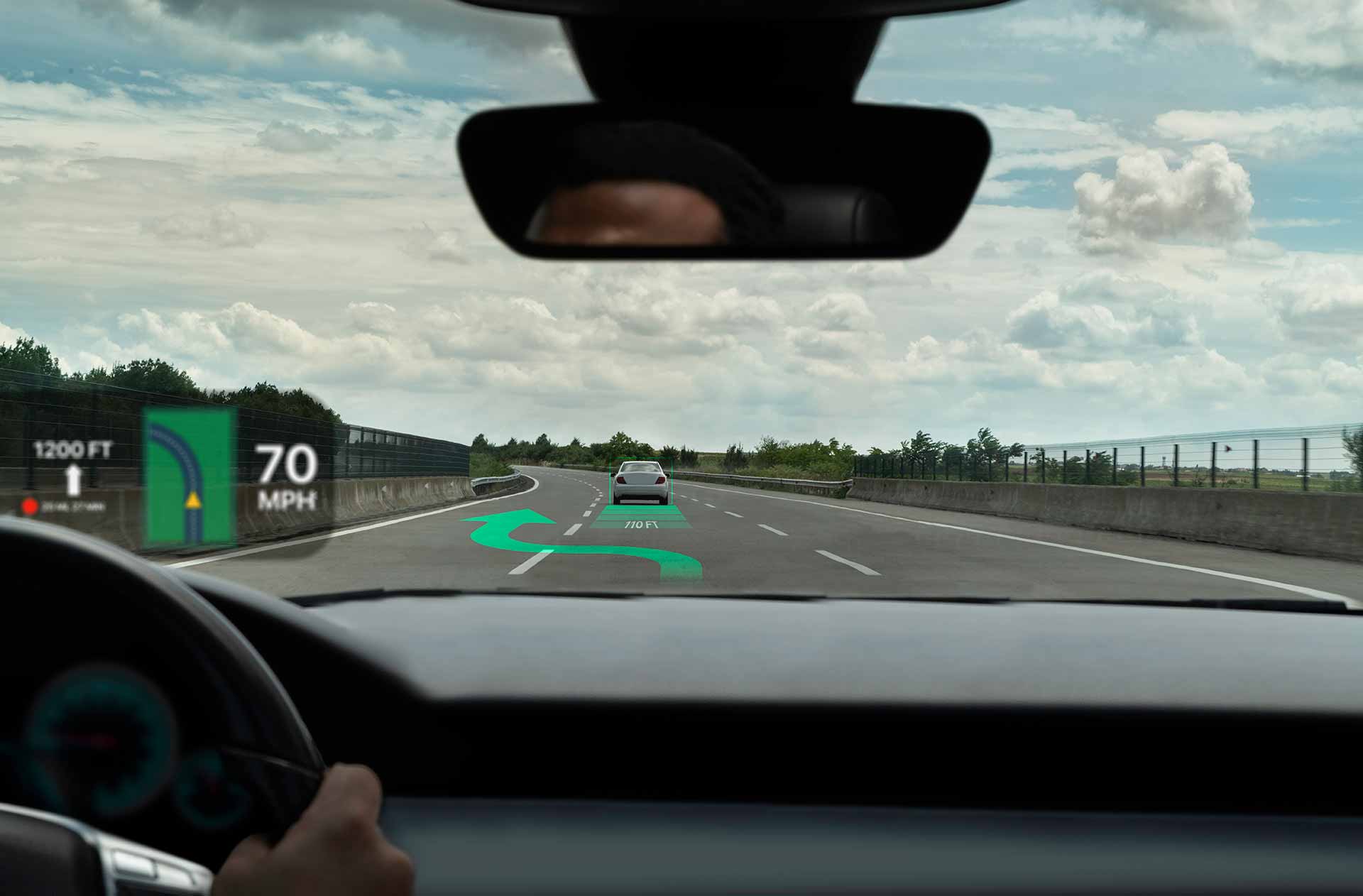
Unlike ADAS windshields, which rely on external cameras and sensors, smart windshields contain embedded electronics, heads-up displays, and augmented reality overlays, all of which require precise installation and calibration to function properly.
Common Features of Smart Windshields:
- Heads-Up Displays (HUDs): Projecting speed, navigation, and alerts onto the windshield.
- Augmented Reality (AR) Overlays: Displaying real-time hazard detection and navigation assistance.
- Electrochromic Glass: Automatically adjusting tint levels to reduce glare and enhance visibility.
- Hydrophobic and Oleophobic Coatings: Preventing water, oil, and dirt buildup to improve driver clarity.
EHS Challenges with Smart Windshields
- Electrical Hazards: Smart windshields incorporate embedded sensors, electronic displays, and wiring, requiring safe handling procedures to prevent electrical shorts or damage.
- Precision Installation is Critical: HUDs and AR windshields require exact alignment. Even slight misplacement can distort projections, leading to visibility issues for drivers (4).
- Chemical and Adhesive Exposure: Many smart windshields use special adhesives and coatings that require ventilation, PPE, and proper disposal to prevent technician exposure.
Best Practices for Auto Service Businesses
- Train technicians on smart glass installation: Proper installation, alignment, and calibration techniques ensure HUD and AR windshields function correctly.
- Implement electrical safety protocols: Use grounding tools, insulated equipment, and voltage testing procedures to prevent sensor malfunctions and short circuits.
- Use OEM-approved materials and adhesives: Ensuring compatibility prevents HUD distortions or AR overlay issues.
- Verify windshield sensor functionality after repairs: Businesses should check for sensor recalibration needs following vehicle impacts to maintain ADAS and smart glass system integrity.
Adapting to a Changing Industry
As ADAS and smart windshields become the industry standard, understanding the safety and compliance challenges they introduce is critical for auto service businesses. By staying informed about new technologies and implementing best practices in training, safety protocols, and regulatory compliance, businesses can ensure both technician well-being and customer safety.
Partnering with GMG EnviroSafe for EHS Compliance
As auto service businesses adapt to these technological advancements, collaborating with experienced EHS professionals becomes crucial. Navigating the evolving landscape of advanced windshield technology requires a proactive approach to EHS compliance. Since 1989, GMG EnviroSafe has partnered with auto service centers to not only meet but exceed environmental health and safety standards. By integrating comprehensive compliance solutions, businesses can protect their employees, customers, and reputation in this dynamic industry.
Sources
(1) Allied Market Research. (2023). Automotive Smart Window Market Report. Retrieved from Allied Market Research
(2) Mitchell. (2024). ADAS Calibration: A New Profit Center in Auto Repair. Retrieved from Mitchell
(3) International Journal of Environmental Research and Public Health. (2023). Occupational Fatigue and Musculoskeletal Disorders in Automotive Technicians. Retrieved from PMC
(4) CarADAS. (2024). Understanding ADAS & Automotive Heads-Up Display (HUD) Calibration. Retrieved from: https://caradas.com/understanding-adas-automotive-heads-up-display-hud/