

Protect the Planet. Protect Your Business.
Environmental training helps your team build safer habits and meet EPA standards. GMG teaches employees how to manage waste, prevent pollution, and reduce risk through clear, job-specific guidance.
What's Included
With our environmental training, your team learns how to manage waste, prevent pollution, and follow EPA rules, building the knowledge and habits needed to protect the environment and maintain compliance every day.
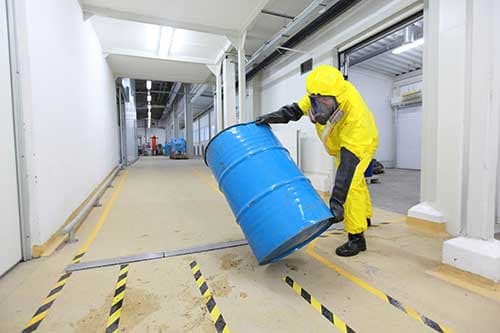
Hazardous Waste Handling
Covers proper classification, labeling, and storage of regulated waste materials.
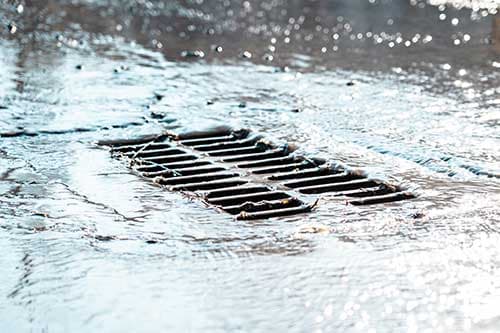
Stormwater Pollution Prevention
Teaches BMPs, housekeeping, and containment practices for compliance.
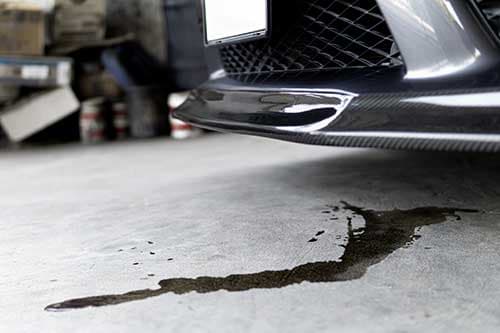
Spill Prevention and ResponseTraining
Explains how to prevent, report, and respond to chemical and oil spills.
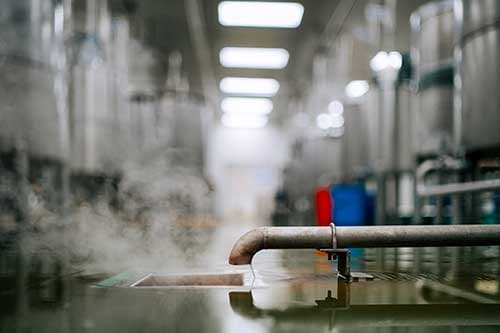
Air Emissions Awareness
Reviews equipment emissions and basic air quality reporting requirements.
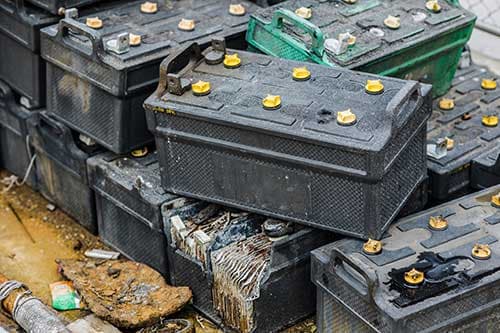
Universal Waste Management
Guides proper handling of batteries, bulbs, electronics, and related waste.
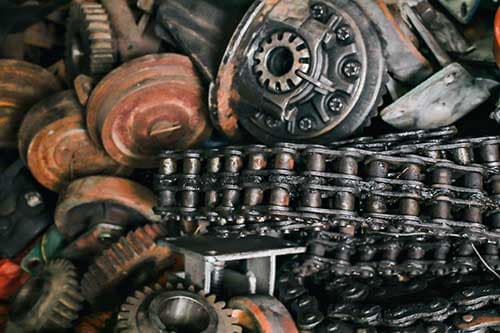
Recycling and Waste Reduction
Provides practical steps to minimize waste and improve sustainability.
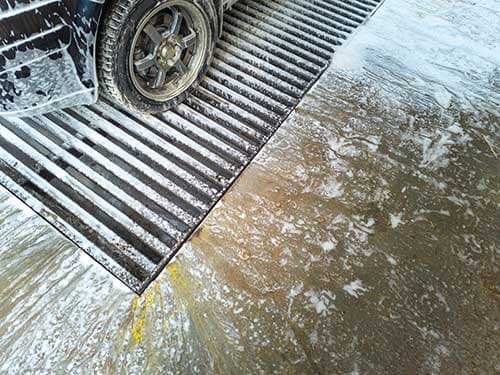
Environmental Reporting Overview
Introduces key reporting rules like Tier II and TRI requirements.
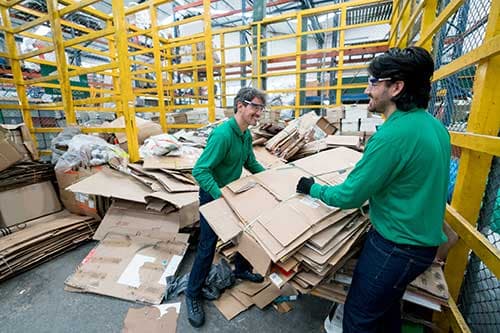
Job-Specific Responsibilities
Tailors training to the environmental risks of each employee’s role.
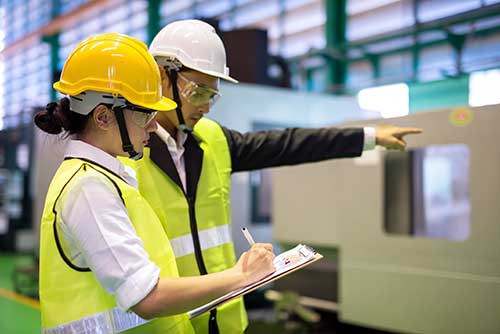
Training Materials and Records
Includes guides, quizzes, and sign-off forms for compliance tracking.
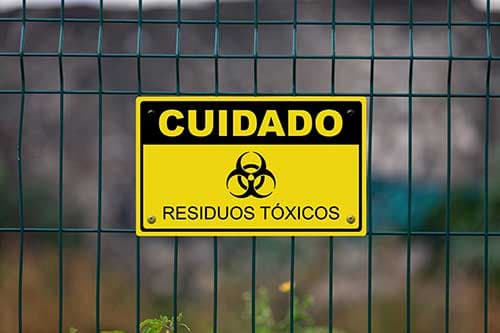
Spanish-Language Support Available
Offers bilingual materials and instruction for your team.
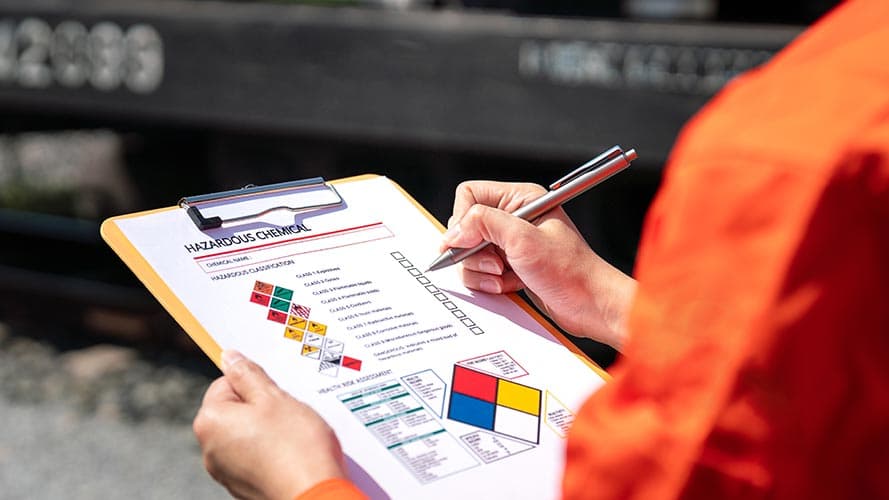
Who Is This Service For
Ideal for Teams That Impact the Environment
If your team handles chemicals, generates waste, or affects air, land, or water, this training is essential. GMG helps employees understand their impact and how to stay compliant.
Book a Demo
Why It Matters
Avoid Violations and Protect What Matters
EPA violations can lead to fines, disruptions, and environmental harm. GMG trains your team to recognize risks, prevent pollution, and stay compliant, supporting a safer workplace and a cleaner world.
Book a DemoHow It Works
What You Can Expect at Every Step
- 1
Facility and Process Review
We assess your operations to identify training needs and applicable EPA rules.
- 2
Customized Training Program
We create content based on your facility’s specific environmental risks.A
- 3
Flexible Training Delivery
Choose from on-site sessions, virtual classes, or pre-recorded modules.
- 4
Employee Engagement and Evaluation
Training includes interactive lessons and knowledge checks.
- 5
Documentation for Compliance
We provide logs and sign-offs to support audits and recordkeeping.
Environmental Responsibility Training for EPA Compliance
Answers to common questions about employee training, regulatory requirements, and how GMG helps your team reduce environmental risk and meet EPA standards.
It’s a program that teaches employees how to work in ways that prevent pollution, manage waste properly, and comply with EPA environmental regulations.
Yes. EPA regulations like RCRA, SPCC, and SWPPP require that employees handling regulated materials or waste be trained appropriately.
Any employee whose work affects air, land, or water quality, especially those involved in chemical handling, waste generation, or equipment operation.
We align content to the materials, equipment, and risks at your facility, ensuring relevance and regulatory accuracy.
Unlabeled hazardous waste, improper disposal, spills, stormwater runoff pollution, and lack of employee training documentation.
Annual training is typical for most EPA-regulated activities, or whenever new employees are hired or processes change.
Yes. We provide training aligned with SWPPP and SPCC plans to ensure site-specific compliance.
Absolutely. We provide certificates, sign-in sheets, quizzes, and a training log for audit or inspection purposes.
Even minimal exposure or waste generation can trigger EPA requirements. We scale training accordingly.
Yes. All training can be delivered in English or Spanish to support your full workforce.
Yes. We can support training across multiple sites to ensure consistent environmental practices.
Yes. We include guidance on reducing waste, improving materials use, and integrating greener practices where possible.
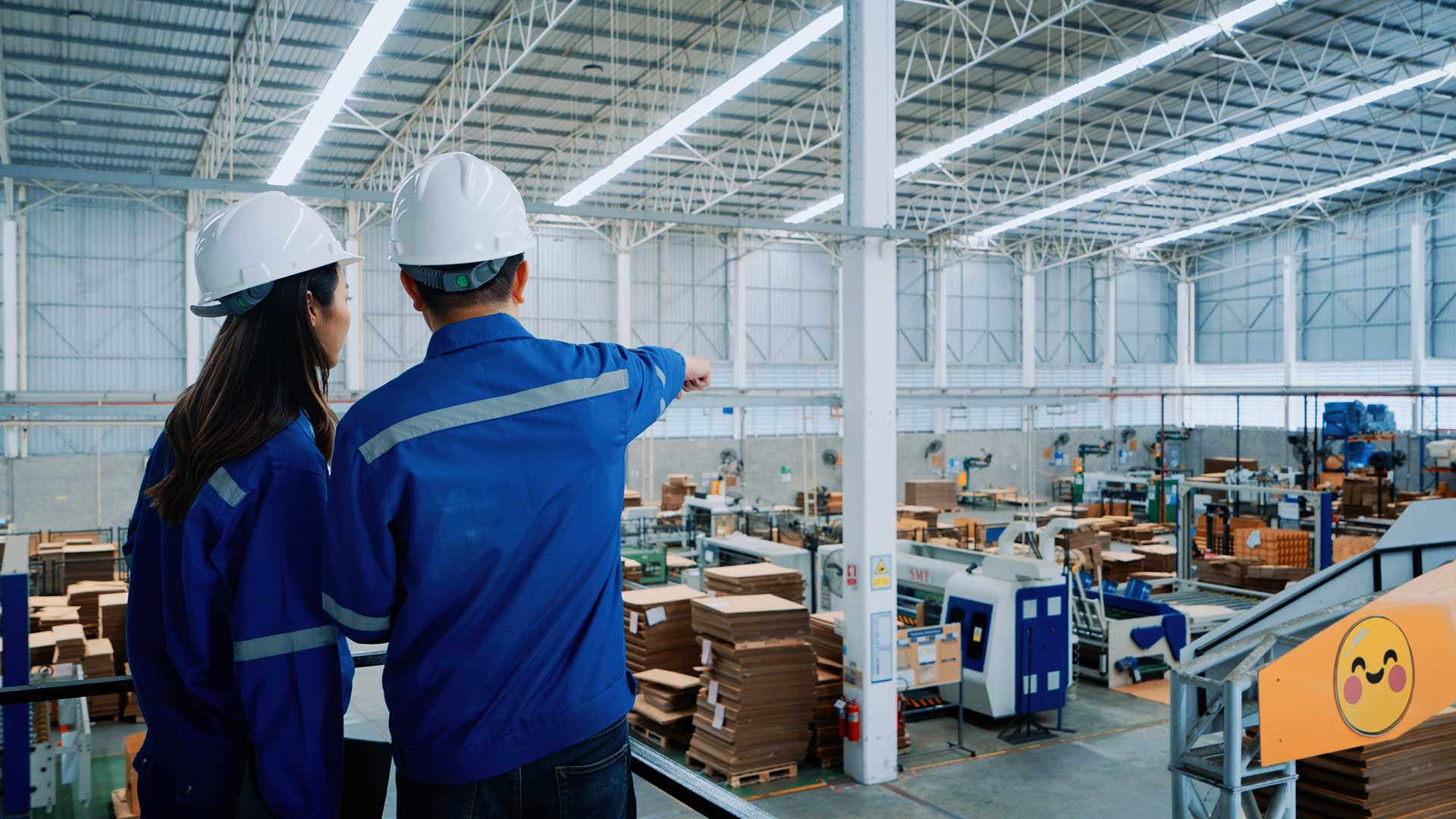
Equip Your Team to Protect the Environment
Environmental compliance takes a team effort. GMG’s training gives your employees the knowledge and tools to prevent pollution, follow regulations, and reduce environmental risk. Start building a cleaner, safer workplace today.
Get Started