
Noise Monitoring That Helps Prevent Hearing Loss and Supports Compliance
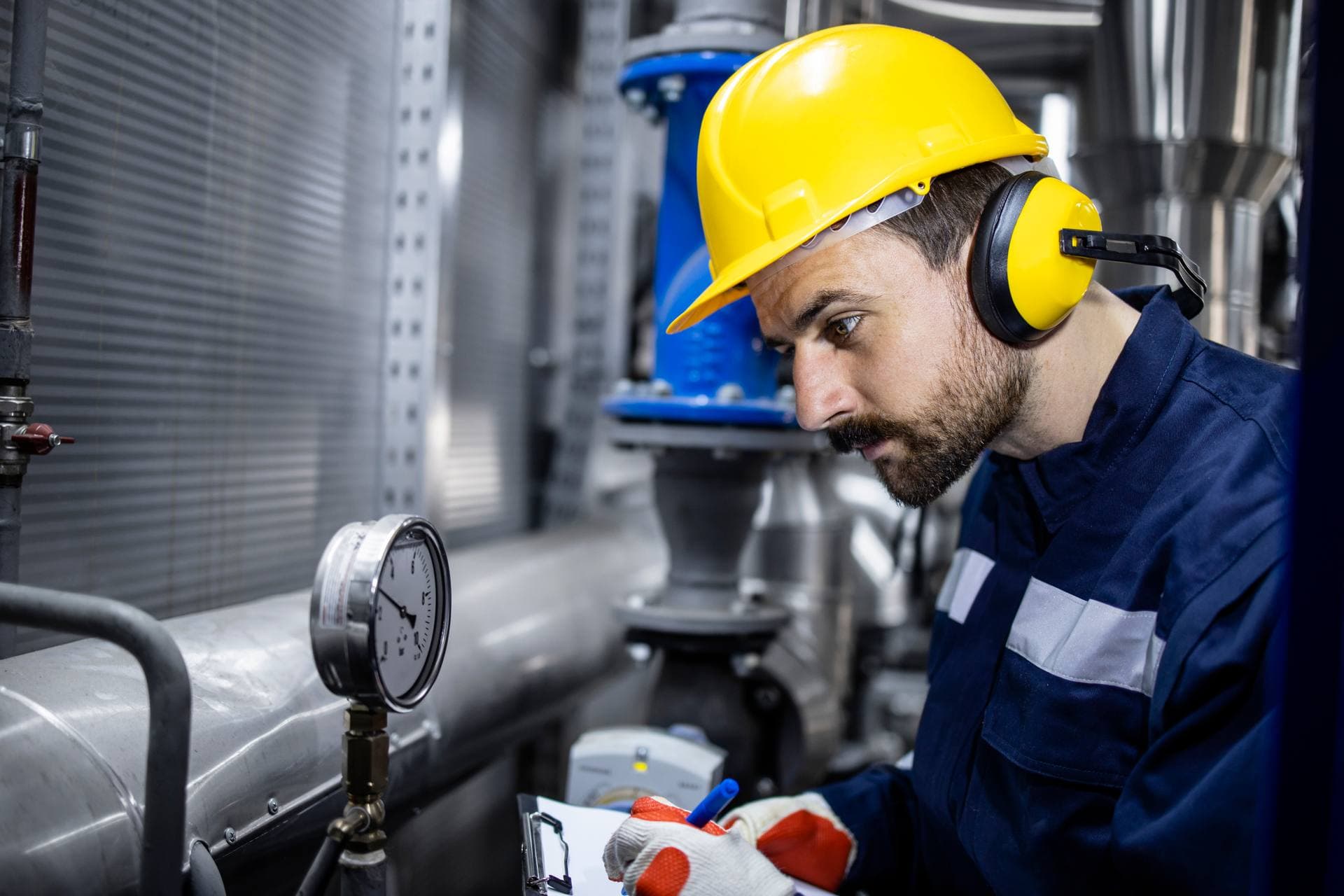
Excessive workplace noise is one of the most common (and preventable) occupational hazards. Prolonged exposure can lead to permanent hearing loss, tinnitus, and reduced productivity, while OSHA citations for noise violations can be costly. GMG’s Workplace Noise Exposure Assessment measures sound levels across your facility, compares results with OSHA and industry standards, and provides targeted strategies to protect employee hearing and maintain compliance.
What's Included
What to Expect During Your Assessment
This service provides complete monitoring and prevention strategies for occupational noise hazards:
On-Site Noise Monitoring
Accurate measurement of workplace sound levels using calibrated equipment.
Exposure Reporting & Analysis
Results compared against OSHA permissible exposure limits (PELs) and action levels.
Control Recommendations
Practical solutions including engineering controls, equipment modifications, and administrative practices.
Written Hearing Conservation Plans
OSHA-aligned documentation and programs for workplaces with high noise levels.
Employee Training & Guidance
Education on noise risks, hearing protection, and proper use of PPE.

Who Is This Service For
For Businesses That Need Reliable Noise Monitoring
This service is designed for industries where loud machinery, tools, or operations are common, including manufacturing, construction, automotive, distribution centers, and printing facilities. If your workplace has elevated noise levels that could impact hearing, our monitoring ensures risks are identified and controlled to protect health and compliance.
Book a Demo
Why It Matters
Prevent Hearing Loss and Reduce Compliance Risks
Noise-induced hearing loss is irreversible and one of the leading occupational illnesses reported to OSHA. Failing to monitor and control noise can result in costly claims, lower employee morale, and regulatory penalties. Proactive noise assessments protect employees, strengthen compliance, and lower long-term costs associated with hearing-related claims and turnover.
Book a DemoHow It Works
What You Can Expect at Every Step
- 1
Initial Consultation & Planning
We review your operations to identify where excessive noise is most likely.
- 2
On-Site Monitoring & Sampling
Noise levels are measured during normal work activities to capture real-world exposures.
- 3
Detailed Reporting & Compliance Review
You receive a report outlining exposure data compared with OSHA standards.
- 4
Action Plan & Program Support
We provide tailored recommendations and written hearing conservation programs to reduce risks and ensure compliance.
Understanding Your Workplace Noise Exposure Assessment
Get clear answers about testing, risks, and how GMG helps protect your workforce from excessive noise.
Prolonged exposure to loud environments can cause permanent hearing loss, tinnitus, and communication difficulties, even if employees don’t notice symptoms right away.
OSHA requires monitoring when noise may exceed the action level. We recommend reassessment after equipment changes, new processes, or employee complaints.
We provide immediate recommendations for engineering controls, administrative practices, and PPE such as hearing protection, along with written hearing conservation plans.
Yes. Our monitoring and documentation align with OSHA’s noise standards and hearing conservation requirements.
No. Sampling is conducted during regular work activities, with minimal interruption.
Yes. We offer employee training on hearing conservation, PPE use, and safe practices for noisy environments.
Start monitoring for noise safety
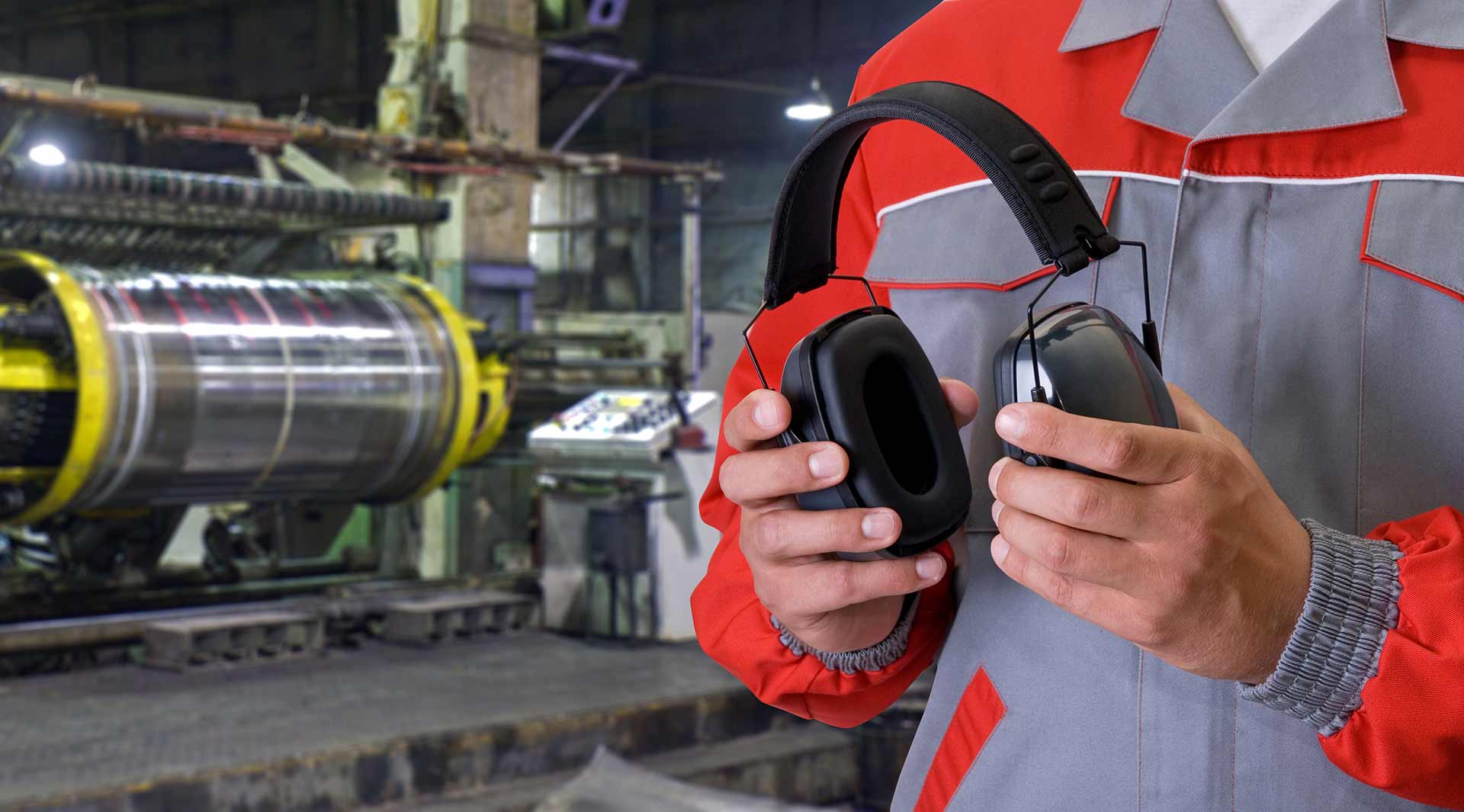
Protect your employees’ hearing and your business with expert workplace noise monitoring. Schedule a consultation with GMG to measure risks, implement controls, and keep your workforce safe, healthy, and compliant.
Get Compliant Now