
Air Monitoring That Helps Prevent Lung Disease and Supports Compliance
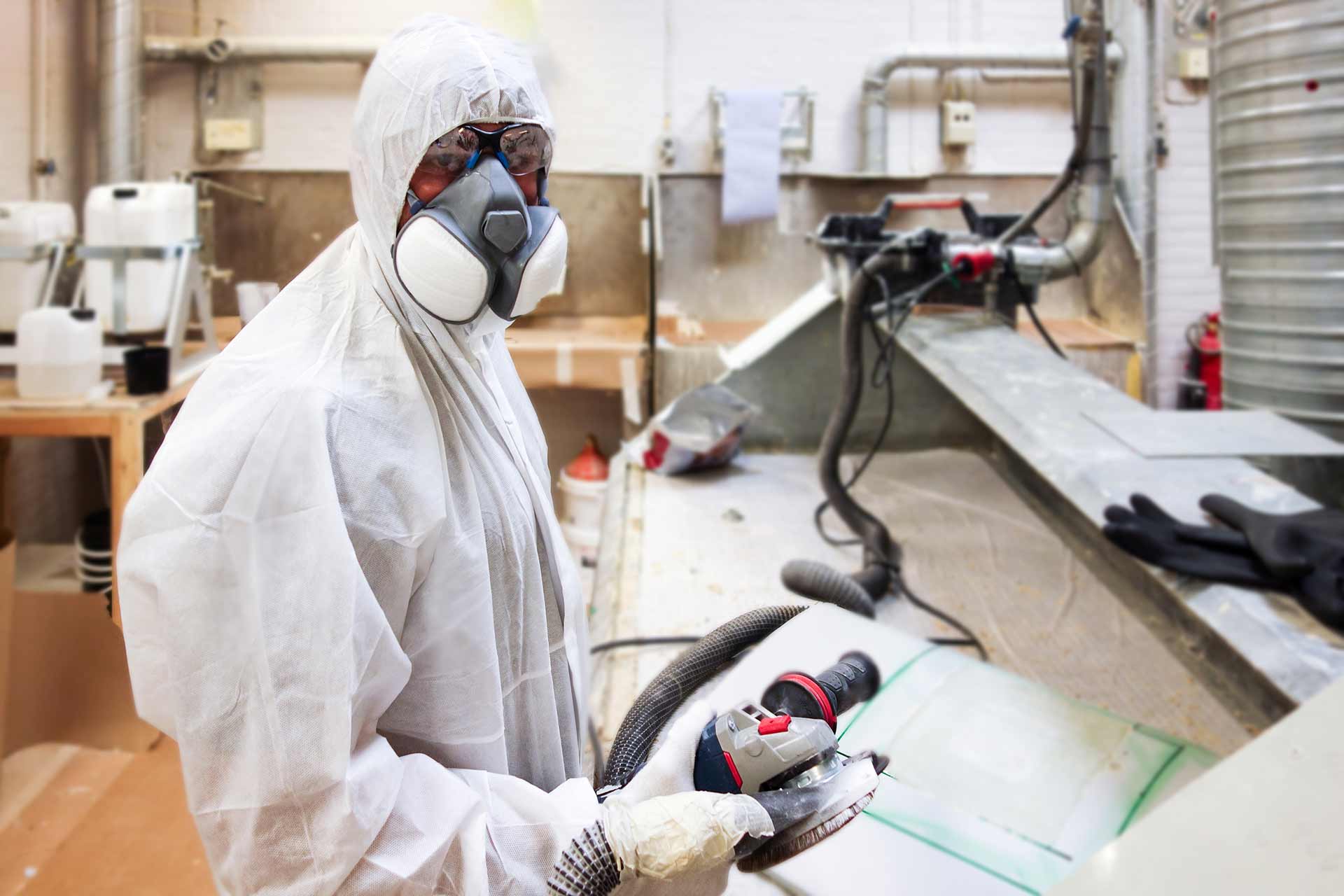
Respirable crystalline silica is one of the most dangerous airborne hazards in the workplace. Generated by cutting, grinding, or drilling materials like concrete, stone, or metal, silica dust can penetrate deep into the lungs and cause silicosis, lung cancer, and other chronic respiratory illnesses. GMG’s Silica Exposure Monitoring measures airborne concentrations, compares them against OSHA’s permissible exposure limits, and delivers actionable strategies to reduce risks, protect employee health, and maintain compliance.
What's Included
What to Expect During Your Assessment
This service provides comprehensive monitoring and prevention strategies for silica hazards:
On-Site Air Sampling & Testing
Accurate collection and analysis of airborne silica levels during typical operations.
Exposure Reporting & Compliance Review
Results compared with OSHA’s silica standard and other exposure guidelines.
Control Recommendations
Practical solutions like ventilation improvements, dust suppression, or safer work practices.
Written Exposure Control Plans
OSHA-compliant documentation to manage silica risks in your workplace.
Employee Training & Communication
Guidance to help employees recognize silica hazards and follow safe work procedures.

Who Is This Service For
The Smart Solution for High-Dust Work Environments
This service is designed for industries where silica exposure is common, including construction, masonry, concrete and stone fabrication, foundries, and manufacturing facilities. If your employees are exposed to silica dust through cutting, grinding, blasting, or drilling, our monitoring ensures risks are identified and controlled to protect health and compliance.
Book a Demo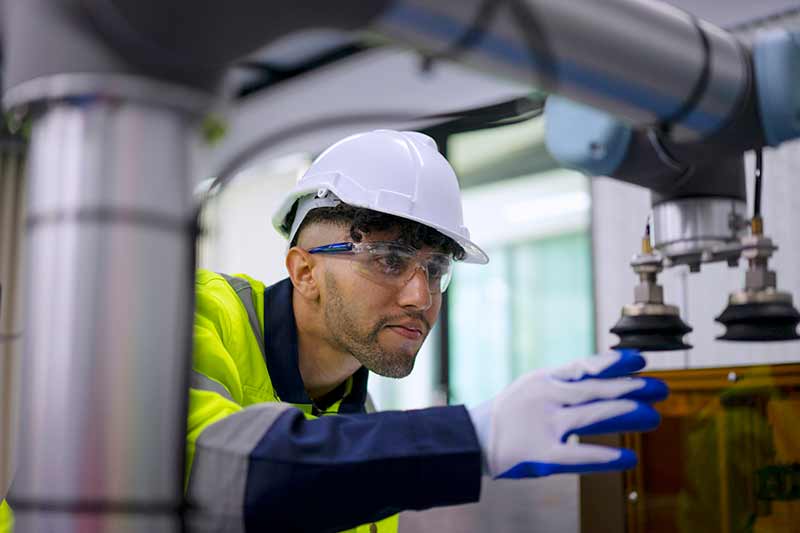
Why It Matters
Prevent Silicosis, Lung Cancer, and Costly OSHA Penalties
Silica dust exposure has lifelong health consequences and is tightly regulated by OSHA, with strict permissible exposure limits and control requirements. Failure to monitor and control exposures can result in employee illness, regulatory citations, and expensive claims. Proactive monitoring and control strategies protect your workforce, demonstrate compliance, and reduce long-term business costs.
Book a DemoHow It Works
What You Can Expect at Every Step
- 1
Initial Consultation & Planning
We assess your operations and tasks to identify areas where silica exposure is most likely.
- 2
On-Site Sampling & Monitoring
Air samples are collected under normal work conditions to reflect real-world exposure.
- 3
Detailed Reporting & Results Review
Results are compared to OSHA standards, with clear explanations of risks and compliance gaps.
- 4
Action Plan & Program Support
We provide targeted recommendations and written exposure control plans to reduce risks and ensure compliance.
Understanding Your Silica Exposure Monitoring
Get clear answers about testing, compliance, and how GMG helps keep your workforce safe from silica dust.
Respirable crystalline silica penetrates deep into the lungs, causing silicosis, lung cancer, and other chronic respiratory illnesses.
OSHA requires initial monitoring and periodic testing if exposure levels are at or above the action level. Retesting should also occur after process changes.
We provide immediate recommendations for dust suppression, ventilation upgrades, PPE, and written exposure control plans to bring exposures within safe limits.
Yes. Our monitoring and documentation align with OSHA’s silica standard, helping you avoid costly citations and protect employee health.
No. Sampling is conducted during normal work activities, with minimal impact on productivity.
Yes. We provide training on silica hazards, safe practices, and PPE use to ensure employees understand and follow proper procedures.

Start Monitoring for Silica Safety
Protect your employees from one of the most serious workplace hazards with expert silica monitoring and prevention strategies. Schedule a consultation with GMG to test for risks, implement controls, and keep your business compliant and your workforce healthy.
Get Compliant Now