
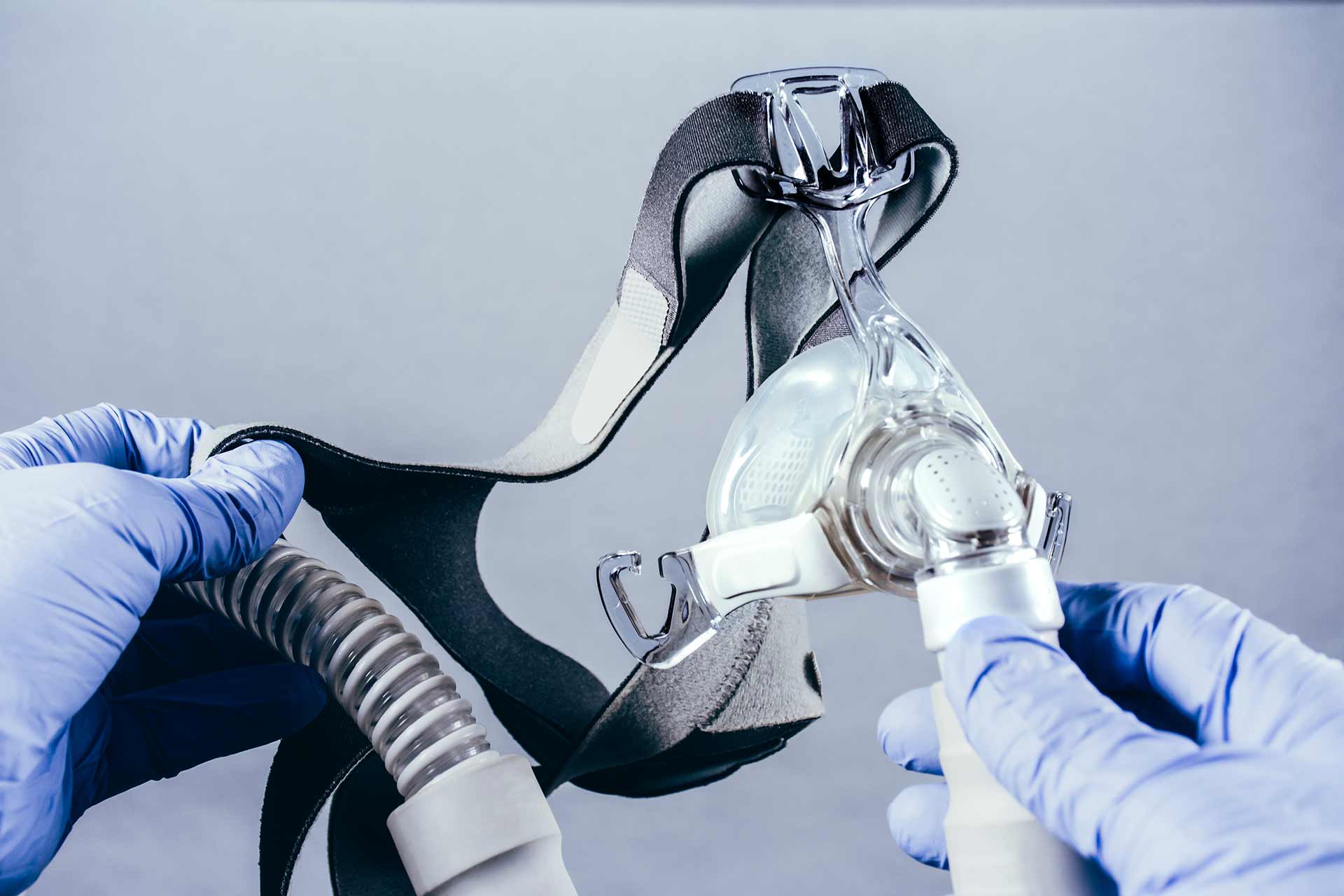
Precise Testing for Maximum Respirator Safety
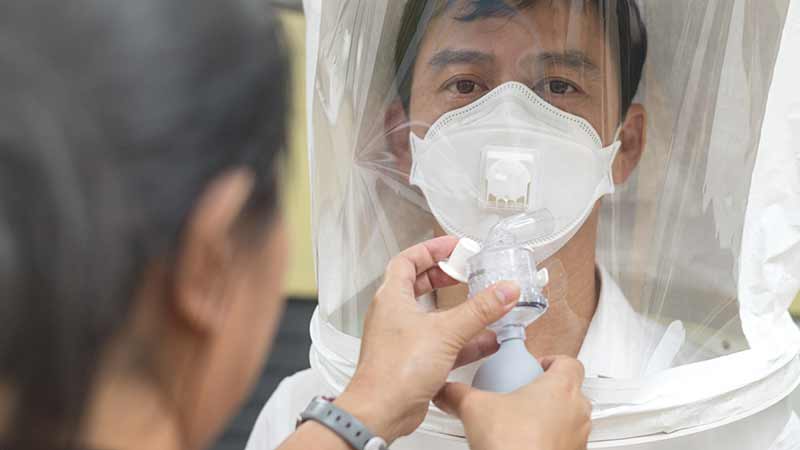
Respirators are only effective when they form a perfect seal. GMG’s Quantitative Respirator Fit Test uses precision instruments to measure leakage levels, ensuring each respirator provides the highest level of protection. Unlike pass/fail sensory tests, this method delivers exact data, giving both employers and employees confidence that respirators perform as intended.
What's Included
What to Expect During Your Assessment
Our quantitative fit testing service covers every step required for OSHA compliance and workforce protection:
Precision Measurement Testing
Uses instruments to detect and quantify air leakage around the respirator seal.
Wide Model Compatibility
Suitable for half-mask, full-face, and tight-fitting respirators.
Employee Training
Covers respirator donning, seal checks, and care.
Compliance Documentation
Provides detailed test records for OSHA audits and annual program updates.
Program Review & Updates
Adjustments when job roles, equipment, or exposure risks change.
Who Is This Service For
Start Protecting with Precision Fit Testing Today
This service is designed for industries where workers are exposed to hazardous dusts, fumes, vapors, or gases, and where maximum accuracy in fit testing is required. Common sectors include manufacturing, construction, chemical handling, painting, auto repair, collision shops, and welding operations. If your workplace involves high exposure risks, OSHA mandates fit testing before use, annually, and whenever conditions change.
Book a Demo
Why It Matters
The Most Reliable Way to Ensure Respirator Protection
Respirators that don’t seal properly expose employees to serious health hazards and put employers at risk of costly OSHA violations. Quantitative fit testing provides measurable results that prove compliance, reduce liability, and safeguard your workforce with the most reliable testing method available.
Book a DemoHow It Works
What You Can Expect at Every Step
- 1
Initial Setup
We review your respiratory protection program and select the proper testing method.
- 2
Quantitative Fit Test
Instruments measure leakage while employees perform movements and exercises.
- 3
Employee Training
Workers learn how to properly wear and maintain their respirators.
- 4
Documentation & Recordkeeping
Detailed reports are provided for compliance and future audits.
- 5
Ongoing Support
Annual retesting and updates keep your program current and compliant.
Understanding Quantitative Fit Testing
Get clear answers about how this advanced testing works and how it ensures both compliance and safety.
Quantitative testing uses instruments to measure actual leakage, while qualitative relies on pass/fail sensory detection. Quantitative provides more precise, reliable results.
It is ideal for high-risk environments or when a higher degree of accuracy is required. Some employers also prefer it to document measurable results for compliance and liability protection.
Yes. Both qualitative and quantitative methods are OSHA-approved. Employers may choose either method, but quantitative testing may be required for high-exposure environments.
Yes. We conduct testing for half-mask, full-face, and tight-fitting respirators.
Before initial respirator use, annually, and whenever an employee’s respirator model, facial structure, or job conditions change.
Yes. Employees receive instruction on donning, doffing, seal checks, and respirator care.
Yes. We maintain detailed documentation of all test results, expiration dates, and compliance requirements.
Start Protecting Your Team with Precision
Ensure accurate, compliant respirator fit testing with GMG’s quantitative method. Schedule a consultation today to protect your workforce and demonstrate compliance with confidence.
Get Compliant Now