
Fit Testing That Ensures Protection Through Sensory-Based Evaluation
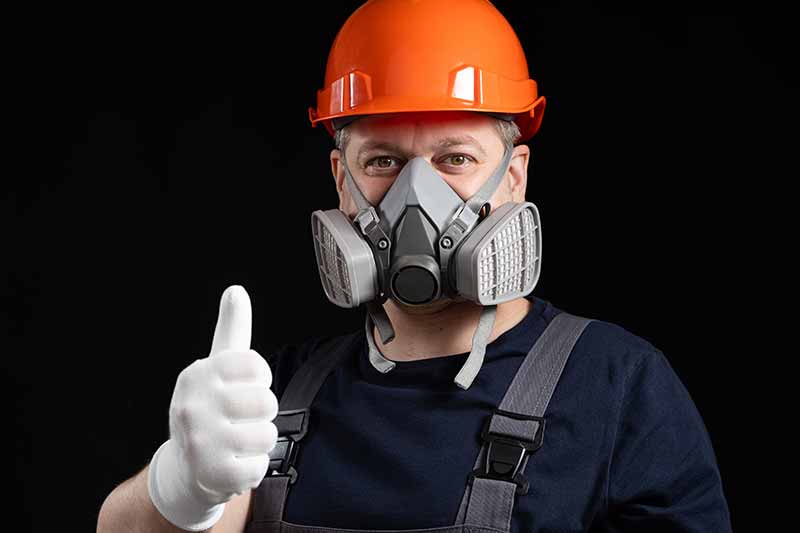
Respirators only protect if they form a proper seal. GMG’s Qualitative Fit Testing uses OSHA-approved sensory methods, such as taste, smell, or irritation detection, to confirm employees’ respirators fit securely and provide the intended protection. This straightforward pass/fail test is ideal for workplaces using half-mask respirators or similar models, ensuring compliance while keeping the process efficient and non-disruptive.
What's Included
What to Expect During Your Assessment
Our qualitative respirator fit testing services provide everything you need to keep employees safe and your program compliant:
OSHA-Compliant Sensory Testing
Testing with approved agents (e.g., saccharin, Bitrex, isoamyl acetate, irritant smoke) to verify seal integrity.
Employee Instruction
Guidance on how to properly don, adjust, and seal-check respirators.
Real-Time Evaluation
Direct observation and sensory feedback confirm respirator performance.
Documentation & Recordkeeping
Complete compliance logs, expiration tracking, and retest schedules.
On-Site Testing Options
Conducted at your facility to minimize downtime and disruption.
Who Is This Service For
Compliant Fit Testing for High-Risk Work Environments
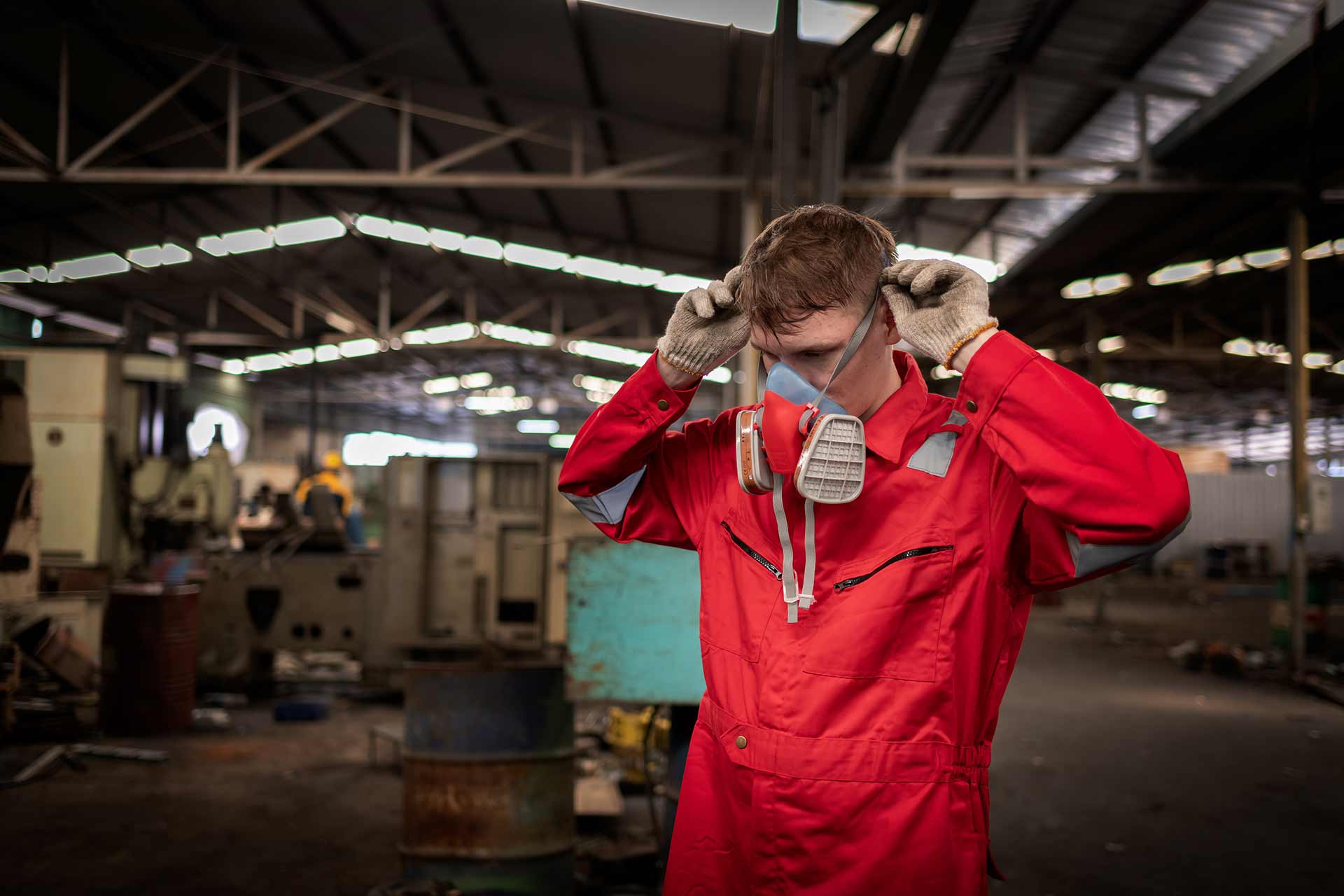
This service is designed for industries where workers use tight-fitting respirators and face airborne risks such as dust, fumes, vapors, or gases. Common sectors include manufacturing, auto repair, collision shops, painting, construction, and welding operations. If respirators are part of your safety program, OSHA mandates fit testing before use, annually, and when changes in equipment or employee conditions occur.
Book a Demo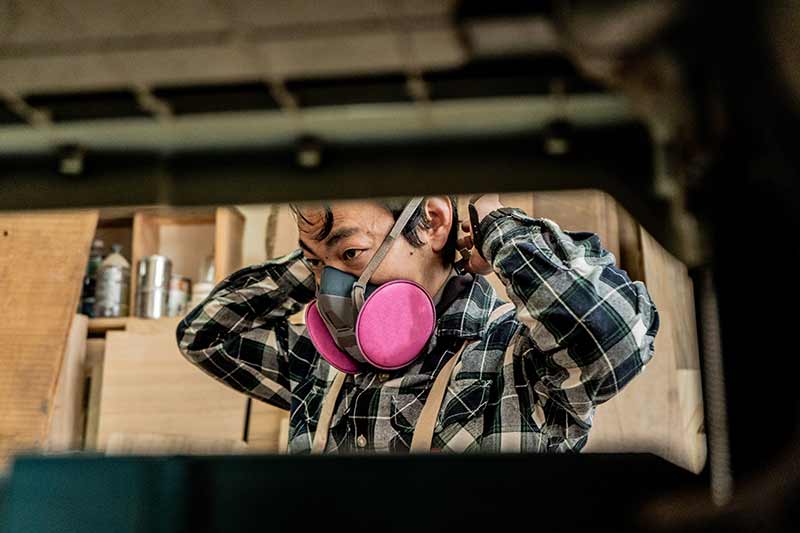
Why It Matters
Protect Workers and Meet OSHA Requirements
Improperly fitted respirators put employees at risk of exposure and employers at risk of citations, liability, and fines. Qualitative testing is a proven, OSHA-accepted method to ensure protection. By verifying each employee’s fit, you safeguard worker health, demonstrate due diligence, and maintain compliance during inspections.
Book a DemoHow It Works
What You Can Expect at Every Step
- 1
Select Test Agent
We choose the appropriate OSHA-approved sensory agent for your respirators.
- 2
Prepare Employee
Workers are trained on donning, adjusting, and seal checking before the test begins.
- 3
Conduct Sensory Test
Employees perform exercises while exposed to the test agent; detection = fail, no detection = pass.
- 4
Document Results
Results are logged, records created, and expiration dates tracked.
- 5
Support Ongoing Compliance
GMG helps with retesting and updates as needed.
Understanding Qualitative Fit Testing
Clear answers about how sensory-based fit testing works, OSHA rules, and GMG’s support for ongoing compliance.
OSHA requires fit testing before first use, annually, and whenever a respirator model changes or an employee’s facial features or health condition could affect fit.
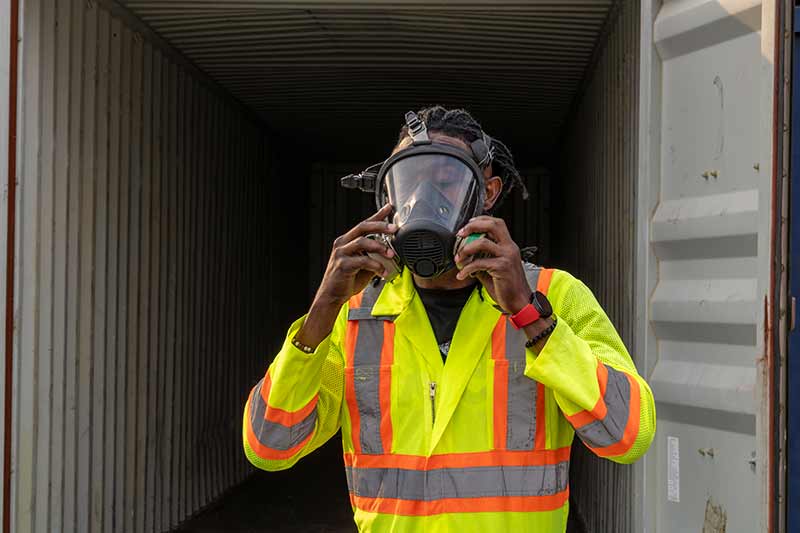
This method is approved for negative-pressure half-mask respirators and similar tight-fitting models. Full-face respirators typically require quantitative testing.
We use OSHA-approved agents such as saccharin (sweet), Bitrex (bitter), isoamyl acetate (banana smell), or irritant smoke, depending on your respirators and workplace conditions.
No. Qualitative testing is one option. While full-face respirators often require quantitative testing, OSHA allows qualitative fit testing for certain full-face respirators when exposure levels are below 10 times the permissible exposure limit. We help determine the appropriate method based on your specific exposure conditions and regulatory requirements.
Yes. We conduct testing at your facility to avoid travel and downtime, and can test groups efficiently.
Yes. We provide instruction on respirator use, seal checks, and care to ensure long-term protection.
Absolutely. GMG maintains complete records, tracks expiration dates, and ensures your program is OSHA audit-ready.
Yes. Many clients bundle qualitative fit testing with medical evaluations, quantitative testing, or broader compliance procedures for a complete respiratory protection program.
Protect Your Team with Proper Fit Testing
Protect your team and stay OSHA-compliant with GMG’s Qualitative Respirator Fit Testing. Schedule a consultation today to test, document, and safeguard your workforce with proven sensory-based methods.
Get Compliant Now