
Air Monitoring That Detects and Controls Hidden Risks
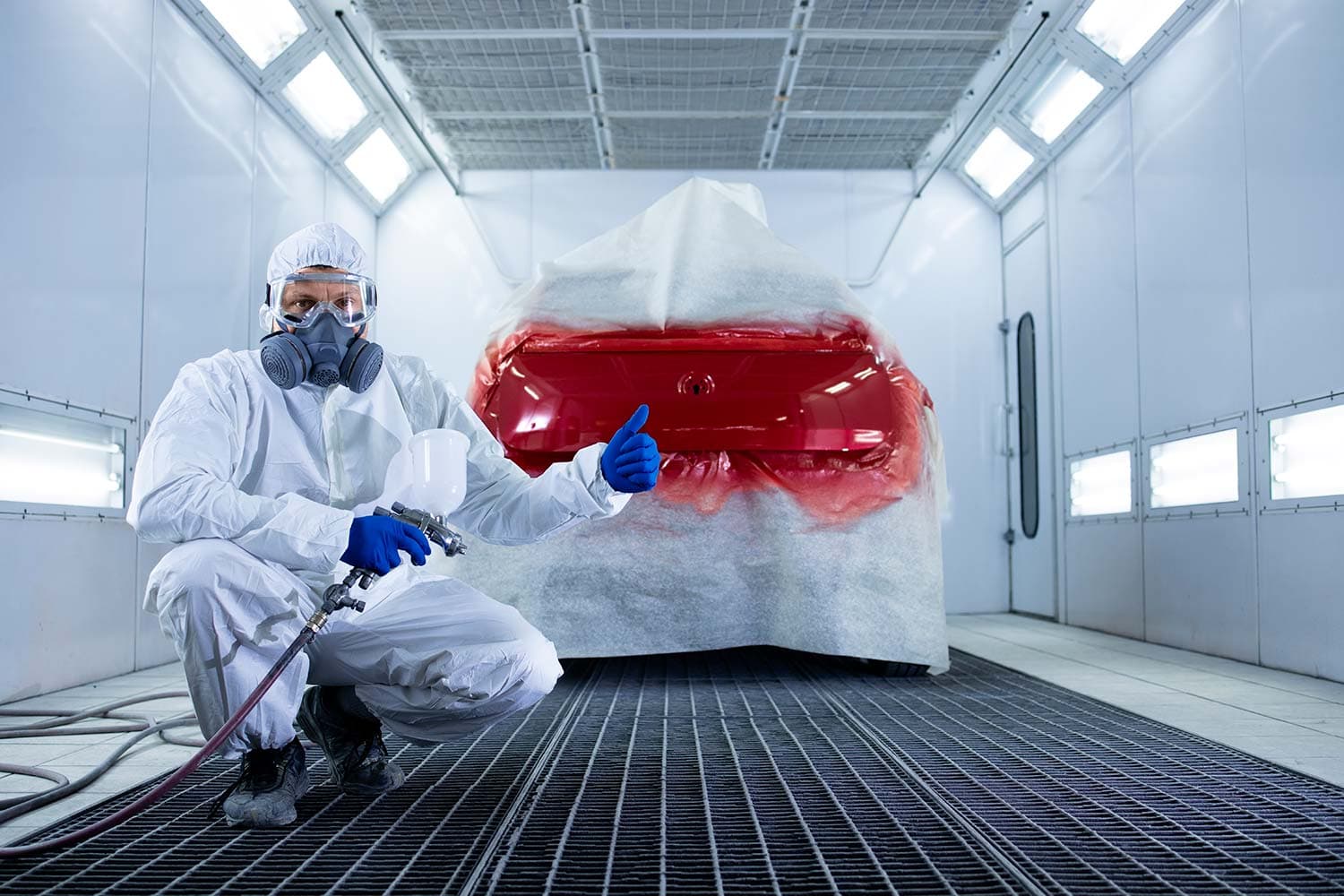
Organic vapors from solvents, paints, coatings, adhesives, and cleaning agents can enter workplace air during normal operations. Depending on the substance, concentration, and duration of exposure, organic vapors can cause symptoms such as headaches or dizziness and may contribute to more serious health effects. GMG’s Organic Vapors Air Quality Testing helps identify and assess airborne vapors, compares results with applicable OSHA permissible exposure limits and other relevant occupational exposure guidelines, and provides practical recommendations to help protect workers and support compliance.
What's Included
What to Expect During Your Assessment
This service provides air sampling, exposure assessment, and practical control recommendations for organic vapor hazards:
On-Site Vapor Sampling & Analysis
Air sampling and analysis for solvent and chemical vapors during normal operations.
Exposure Reporting & Risk Review
Results compared against OSHA permissible exposure limits (PELs) and ACGIH guidelines.
Control Recommendations
Practical solutions like ventilation upgrades, substitution of less hazardous materials, or improved PPE use.
Written Exposure Control Plans
Documentation tailored to your operations and designed to support applicable exposure-control requirements.
Employee Safety Training
Guidance to help employees recognize vapor risks, follow safe practices, and properly use PPE.
Who Is This Service For
The Smart Solution for Workplaces Using Chemicals and Solvents
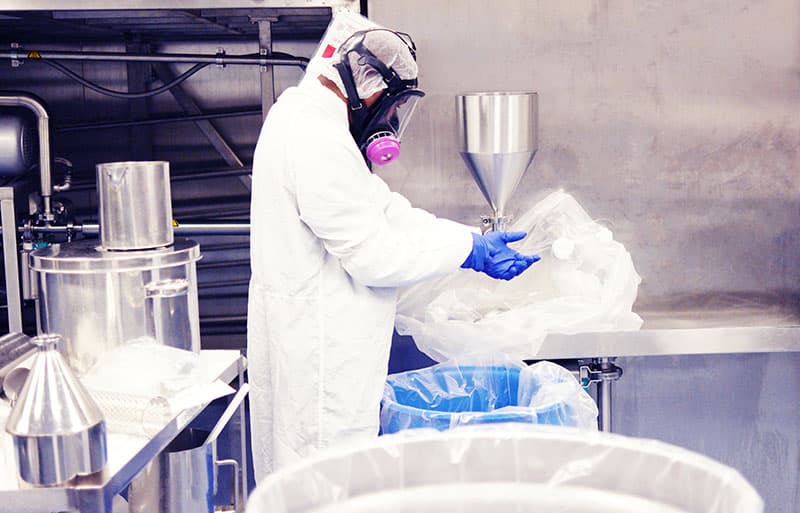
This service is intended for industries where organic vapors may be present, including automotive refinishing, manufacturing, painting and coating operations, printing, laboratories, and cleaning services. If employees work with solvents, adhesives, or coatings, testing can help identify and assess potential exposure risks and inform appropriate control measures.
Book a Demo
Why It Matters
Reduce Exposure Risks and Support Compliance
Depending on the substance, concentration, and duration of exposure, organic vapors can lead to short-term symptoms such as headaches and nausea and, for some substances, may contribute to more serious long-term health effects. OSHA has exposure limits for certain airborne contaminants, and other occupational exposure guidelines may apply depending on the substance and work process. Monitoring and assessing vapor levels can help employers identify potential exposures, evaluate controls, and support informed health and compliance decisions.
Book a DemoHow It Works
A Clear Process That Works Around You
- 1
Initial Consultation & Planning
We review your operations, materials, and tasks to identify potential vapor sources.
- 2
On-Site Sampling & Monitoring
Air samples are collected and analyzed under real workplace conditions.
- 3
Detailed Exposure Reporting
Results are compared with exposure limits, with clear explanations of health and compliance risks.
- 4
Action Plan & Program Support
We provide targeted recommendations and written programs intended to reduce exposure and support applicable compliance requirements.
Understanding Your Organic Vapor Air Quality Testing
Get straightforward answers about monitoring, risks, and how GMG helps protect your employees from harmful chemical vapors.
We monitor for common organic vapors from solvents, paints, coatings, adhesives, and cleaning products, depending on your operations.
Monitoring frequency depends on the substances used, work processes, prior results, changes to materials or operations, employee concerns, and applicable requirements. GMG can help determine an appropriate schedule for your facility.
We provide prompt recommendations such as improved ventilation, substitution of less hazardous materials, and PPE upgrades, along with written control plans.
Yes. Where applicable, we compare results with relevant OSHA permissible exposure limits and other occupational exposure guidelines and provide documentation to support your compliance efforts.
Testing is designed to minimize disruption: air samples are collected during routine work, with minimal impact on employees or productivity.
Yes. Training on vapor risks, safe handling practices, and PPE use can be included as part of your control program.
Start Monitoring for Organic Vapors
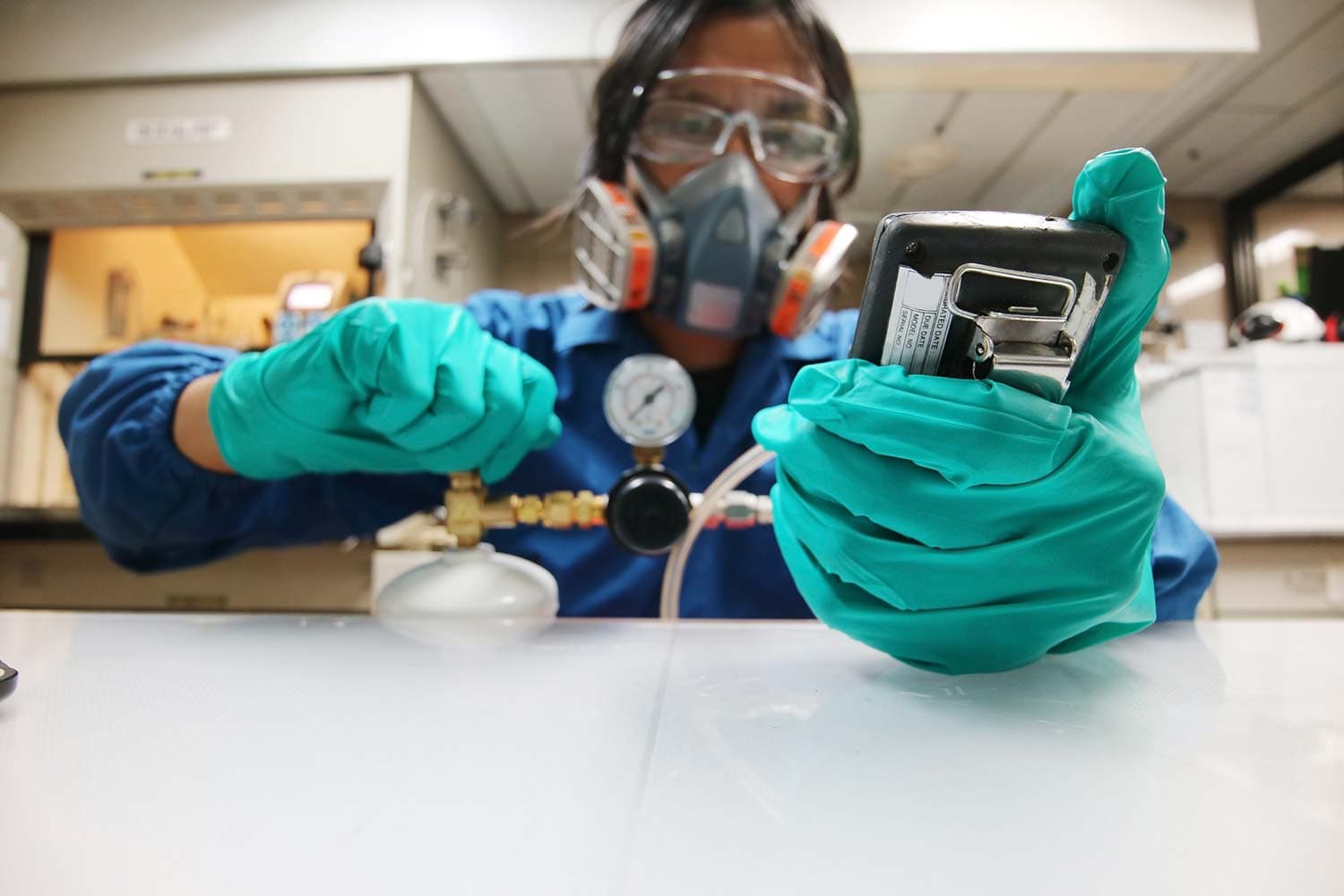
Protect your employees and your business by understanding potential exposure to organic vapors. Schedule a consultation with GMG to assess workplace air, identify potential risks, and support a healthier workplace and stronger compliance practices.
Get Started