
Air Monitoring That Helps Control Isocyanate Risks and Supports Compliance
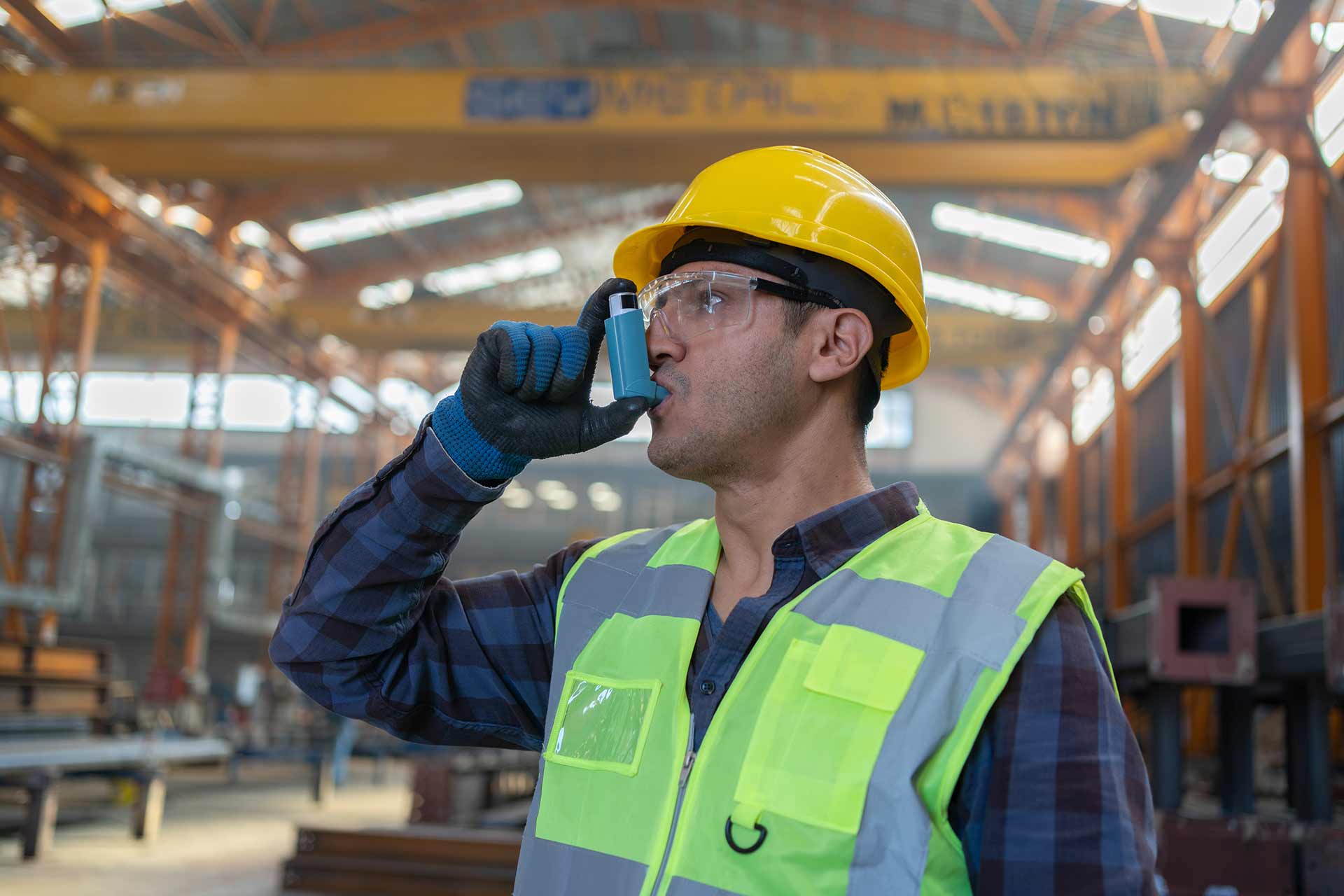
Isocyanates are widely used in paints, coatings, adhesives, and foams, and are one of the leading causes of occupational asthma. Even low-level exposure can trigger respiratory irritation, skin sensitization, or life-long health problems. GMG’s Isocyanate Exposure Monitoring measures airborne levels in your workplace, compares results to OSHA and industry guidelines, and delivers strategies to keep your employees safe while reducing costly health claims and compliance risks.
What's Included
What to Expect During Your Assessment
This service provides complete isocyanate monitoring and prevention support:
Air Quality Sampling & Analysis
Accurate measurement of airborne isocyanates during normal operations.
Exposure Risk Reporting
Clear results compared against OSHA standards and ACGIH guidelines.
Engineering & Control Recommendations
Practical steps to reduce exposures, including ventilation improvements and safer work practices.
Written Exposure Control Plans
OSHA-aligned documentation for compliance and ongoing prevention.
Employee Safety Guidance
Training and communication materials to help employees recognize risks and use PPE effectively.
Who Is This Service For
The Right Choice for Paint, Coating, and Manufacturing Operations
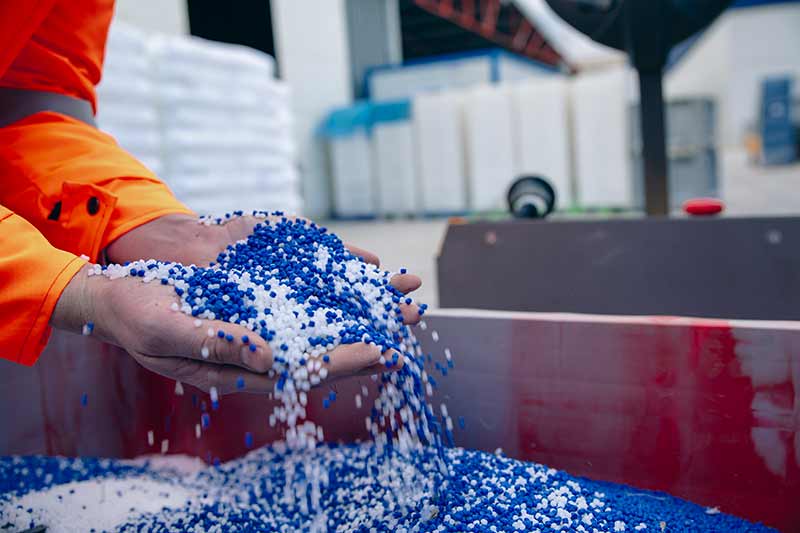
This service is designed for businesses in industries where isocyanates are common, including automotive refinishing, industrial painting, foam production, plastics, and adhesives manufacturing. If your employees are exposed to spray applications, curing processes, or chemical mixing, our monitoring ensures risks are measured and controlled to protect health and compliance.
Book a Demo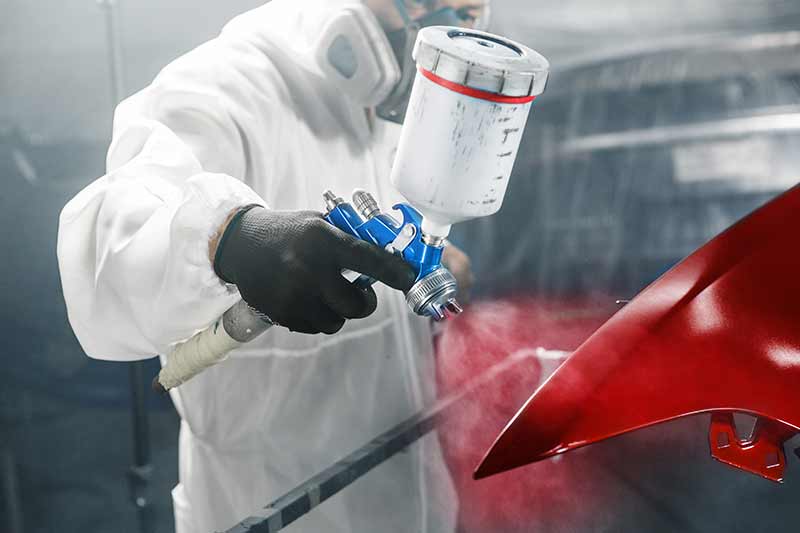
Why It Matters
Prevent Respiratory Illness Before It Impacts Productivity
Isocyanates are a leading cause of work-related asthma and long-term respiratory illness. Proactively monitoring and controlling exposure helps prevent employee health issues, costly workers’ comp claims, and regulatory penalties. By implementing strong prevention strategies, you protect both your workforce and your business while building trust and confidence across your team.
Book a DemoHow It Works
What You Can Expect at Every Step
- 1
Initial Consultation & Planning
We review your processes, materials, and work areas to identify where isocyanate exposure is likely.
- 2
On-Site Monitoring & Sampling
Air samples are collected and analyzed during regular operations to reflect real-world exposure.
- 3
Detailed Exposure Reporting
You receive clear data compared against regulatory limits, with insights into risk severity.
- 4
Action Plan & Program Support
We provide prioritized recommendations and written programs to control isocyanate hazards and meet compliance.
Understanding Your Isocyanate Exposure Monitoring
Get clear answers about testing, risks, and how GMG helps protect your workforce from harmful chemical exposures.
Isocyanates can cause asthma, respiratory irritation, and skin sensitization. Once sensitized, even very small exposures can trigger severe reactions.
OSHA requires initial monitoring and follow-up testing when exposures may change. We also recommend routine monitoring to verify controls remain effective.
We provide immediate recommendations such as improved ventilation, process adjustments, and PPE upgrades, along with written exposure control plans.
Yes. Our monitoring and documentation align with OSHA standards and industry guidelines, helping you meet all regulatory requirements.
No. Air samples are collected during normal work activities, so monitoring is minimally disruptive.
Yes. We can train employees on exposure risks, safe practices, and proper PPE use as part of the program.
Start monitoring for isocyanate safety
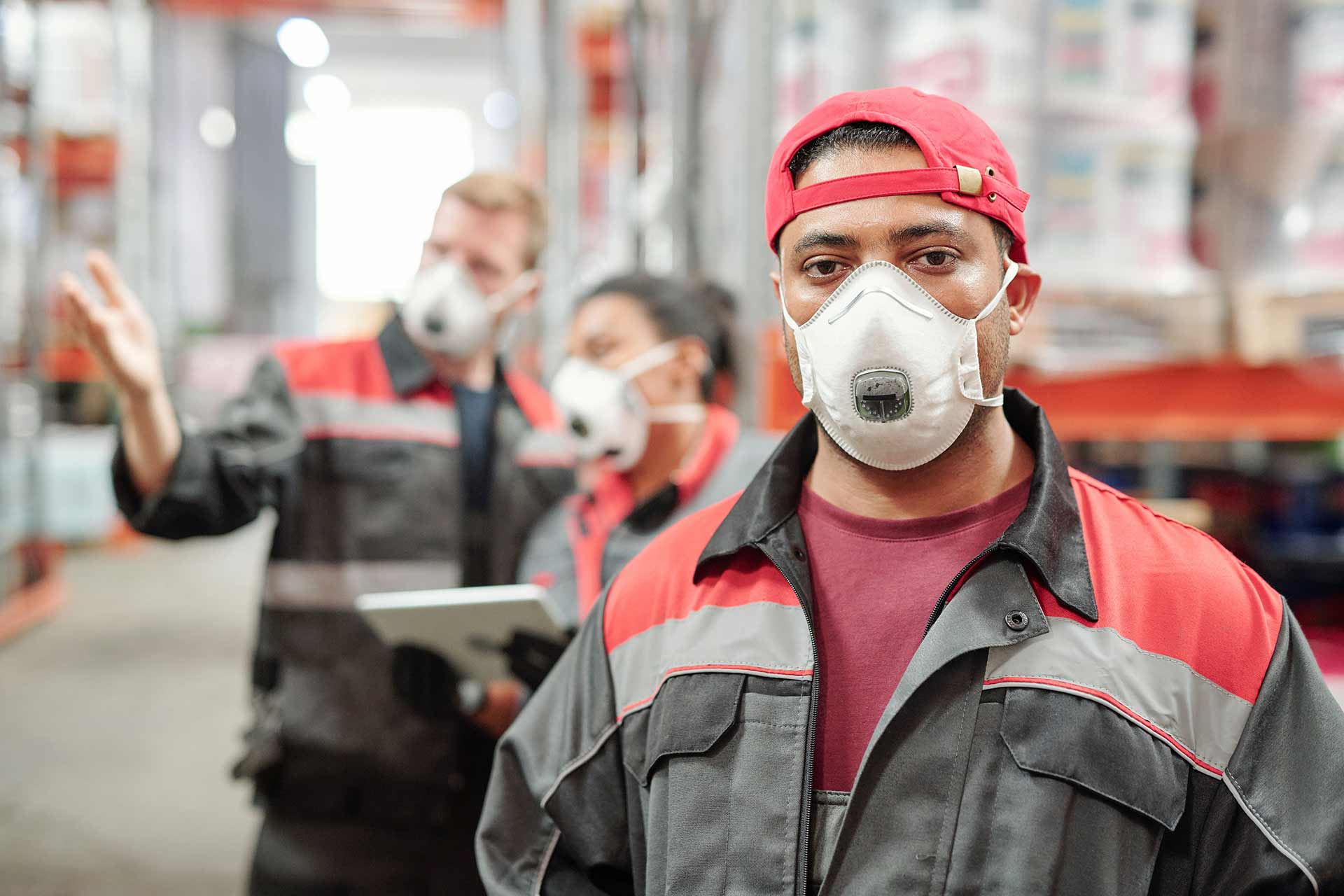
Protect your workforce from one of the most dangerous chemical exposures in the workplace. Schedule a consultation with GMG to measure isocyanate levels, strengthen compliance, and safeguard long-term employee health.
Get Compliant Now