
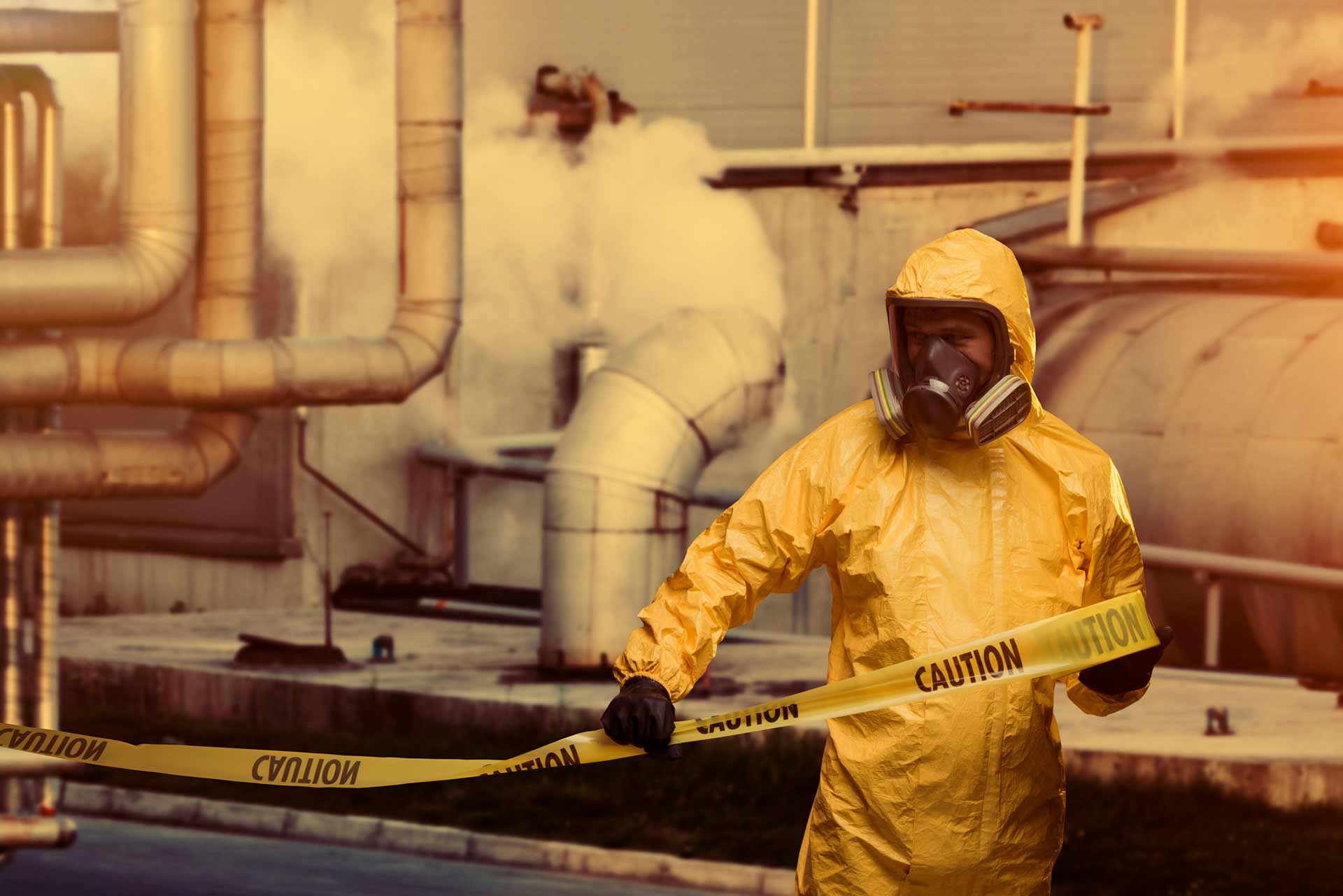
Report Critical Incidents Correctly. Avoid Costly Mistakes.
When serious incidents occur, like a chemical spill, hazardous release, or employee injury requiring hospitalization, regulatory reporting is not optional. It's urgent. GMG EnviroSafe’s Chemical Release, Spill & Severe Injury Reporting service ensures your organization meets all required OSHA, EPA, DOT, and state reporting rules quickly, accurately, and confidently. We help you manage the chaos, avoid citations, and stay compliant when it matters most.
What's Included
When a serious injury or spill occurs, you need clarity, speed, and accuracy. GMG’s expert team guides you through every reporting step, ensuring nothing is missed, timelines are met, and documentation holds up under review.
OSHA 8- and 24-Hour Reporting Support
Report injuries, hospitalizations, or fatalities within required federal timeframes.
EPA & State Release Notifications
Get help reporting hazardous spills that exceed state or federal quantity limits.
Chemical Spill Evaluation
Assess spill type and amount to determine if local, state, or federal reporting is required.
DOT Hazardous Materials Reporting
Navigate incident reporting requirements for hazmat spills during transport.
Multi-Agency Coordination
Ensure all required agencies are properly notified based on the incident type and scope.
Incident Intake & Triage Support
Gather the right facts fast: location, quantity, chemical type, and injury details.
Emergency Notification Script Assistance
Draft and review verbal or written notifications for clarity and compliance.
Follow-Up Report Filing
Prepare and submit post-incident reports with proper forms, attachments, and deadlines.
Document Review & Recordkeeping
Check that logs, SDSs, statements, and records meet compliance standards.
Post-Incident Compliance Planning
Build action plans and preventive steps to reduce future incident risk.

Who Is This Service For
For Any Organization That Handles Hazardous Materials or Faces Injury Risks
This service is essential for EHS managers, safety officers, plant supervisors, and operations leaders in industries such as manufacturing, logistics, energy, construction, healthcare, and education. If your workplace involves chemicals, equipment, or physical labor, you need a clear plan, and expert support, for how to report when something goes wrong.
Book a Demo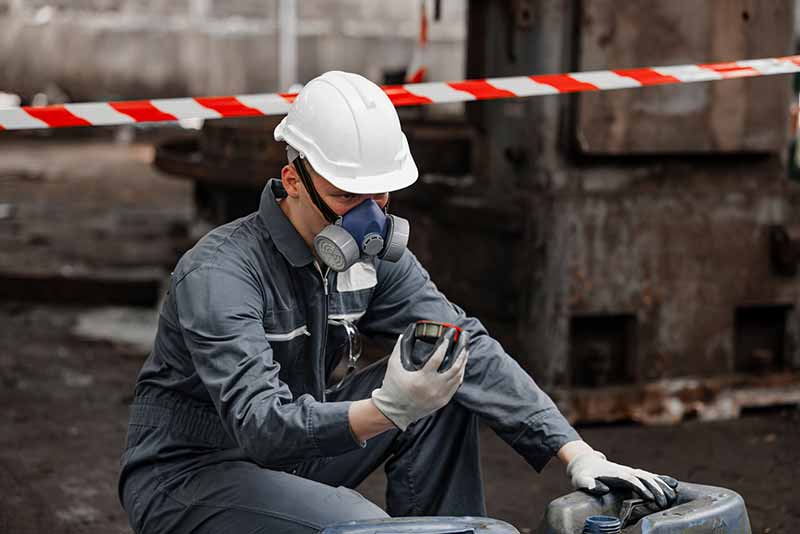
Why It Matters
The Clock Starts Ticking After a Major Incident
Federal and state agencies have strict timelines for reporting serious events. OSHA requires reporting of certain injuries within 8 or 24 hours. The EPA requires immediate reporting of hazardous chemical releases. DOT and state environmental agencies may have overlapping requirements. One misstep, or missed deadline, can result in major fines, enforcement, or shutdowns. GMG gives you the guidance and documentation support to get it right, right away.
Book a DemoHow It Works
What You Can Expect at Every Step
- 1
Contact GMG Immediately After the Incident
Our consultants begin triage, assess the situation, and guide your next steps.
- 2
Determine Reporting Requirements
We evaluate the incident details to identify all regulatory reporting obligations.
- 3
Draft & Submit Notifications
Get support completing and submitting all required notifications to the correct agencies.
- 4
Document Everything
Prepare accurate records, SDSs, logs, and summaries to ensure full reporting and audit readiness.
- 5
Complete Follow-Up Reporting
File all written reports, forms, and follow-up documentation within agency timeframes.
Fast Facts for High-Stakes Reporting
Understand when, where, and how to report major incidents, and why timing is critical for compliance, safety, and liability protection.
OSHA requires reporting of any work-related fatality (within 8 hours), and any in-patient hospitalization, amputation, or loss of an eye (within 24 hours).
Releases that meet or exceed the EPA’s Reportable Quantity (RQ) for hazardous substances must be reported. This includes air, land, or water releases.
Yes. That’s a core part of this service. We help you interpret regulatory thresholds and decide which events require agency notification.
Depending on the incident: OSHA, EPA, National Response Center (NRC), state environmental agencies, local emergency planning commissions (LEPCs), DOT, or fire marshals.
Absolutely. We assist with initial call scripts or online submissions and provide guidance for follow-up written reports and documentation.
Immediately. Some agencies require “as soon as possible” reporting or impose 15–60 minute windows for initial notification. Time is critical.
Yes. SDSs are often requested by emergency responders or agencies to identify hazards, response needs, and documentation of substances involved.
Yes. We support both on-site and off-site incidents, including spills during transportation or injuries at temporary worksites.
We provide on-call consultation and emergency support outside business hours to help meet time-sensitive regulatory reporting requirements.
Yes. Timely, complete, and accurate reporting is one of the most important ways to demonstrate good faith, avoid escalation, and reduce enforcement risk.
Yes. We also offer emergency response plan reviews and training to ensure your team knows exactly what to do before anything happens.
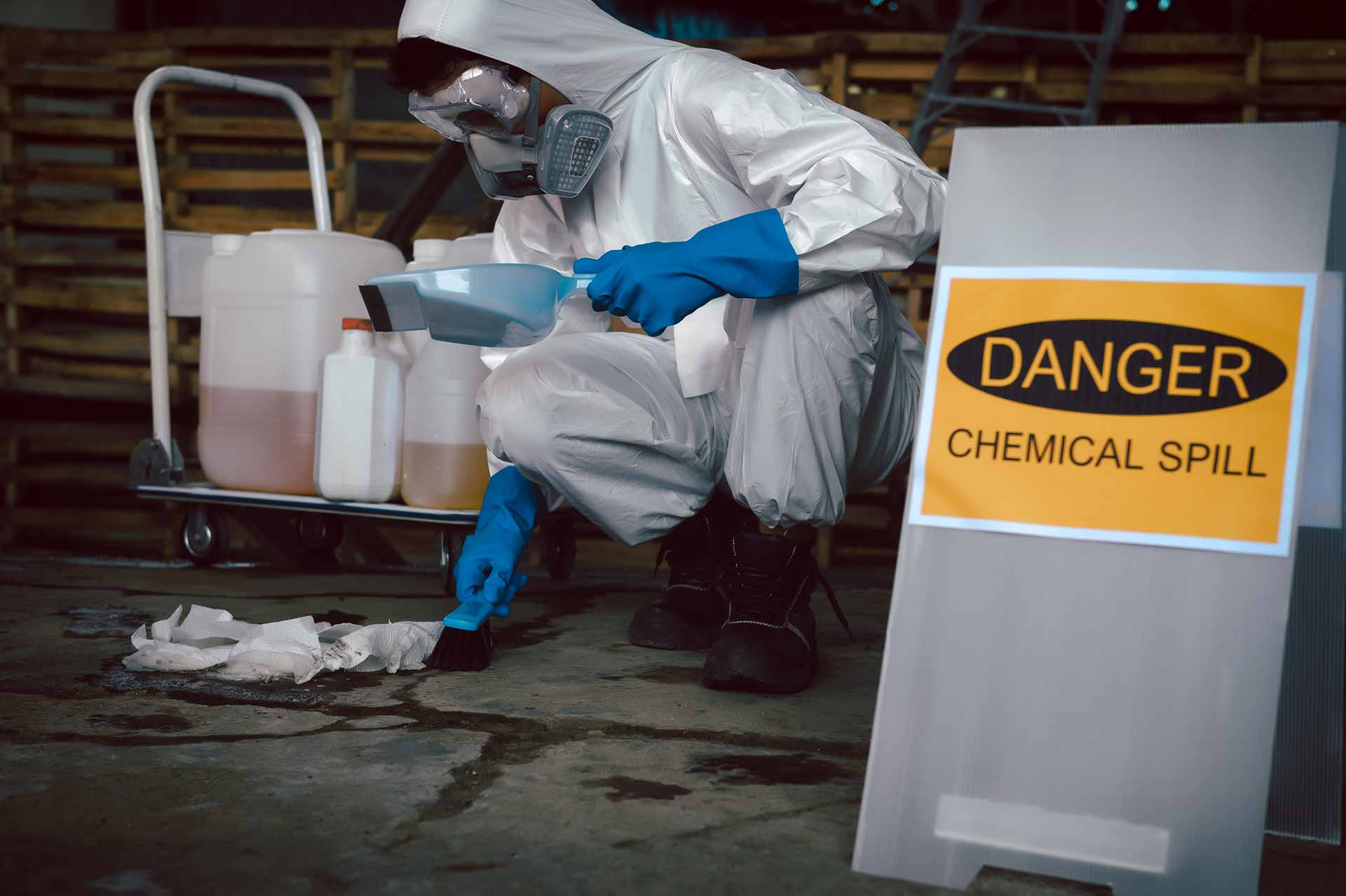
Respond Quickly. Report Accurately. Avoid Fines.
When serious incidents happen, timing and precision matter. GMG helps you report correctly, avoid fines, and stay in control, no matter the situation.
Get Started