
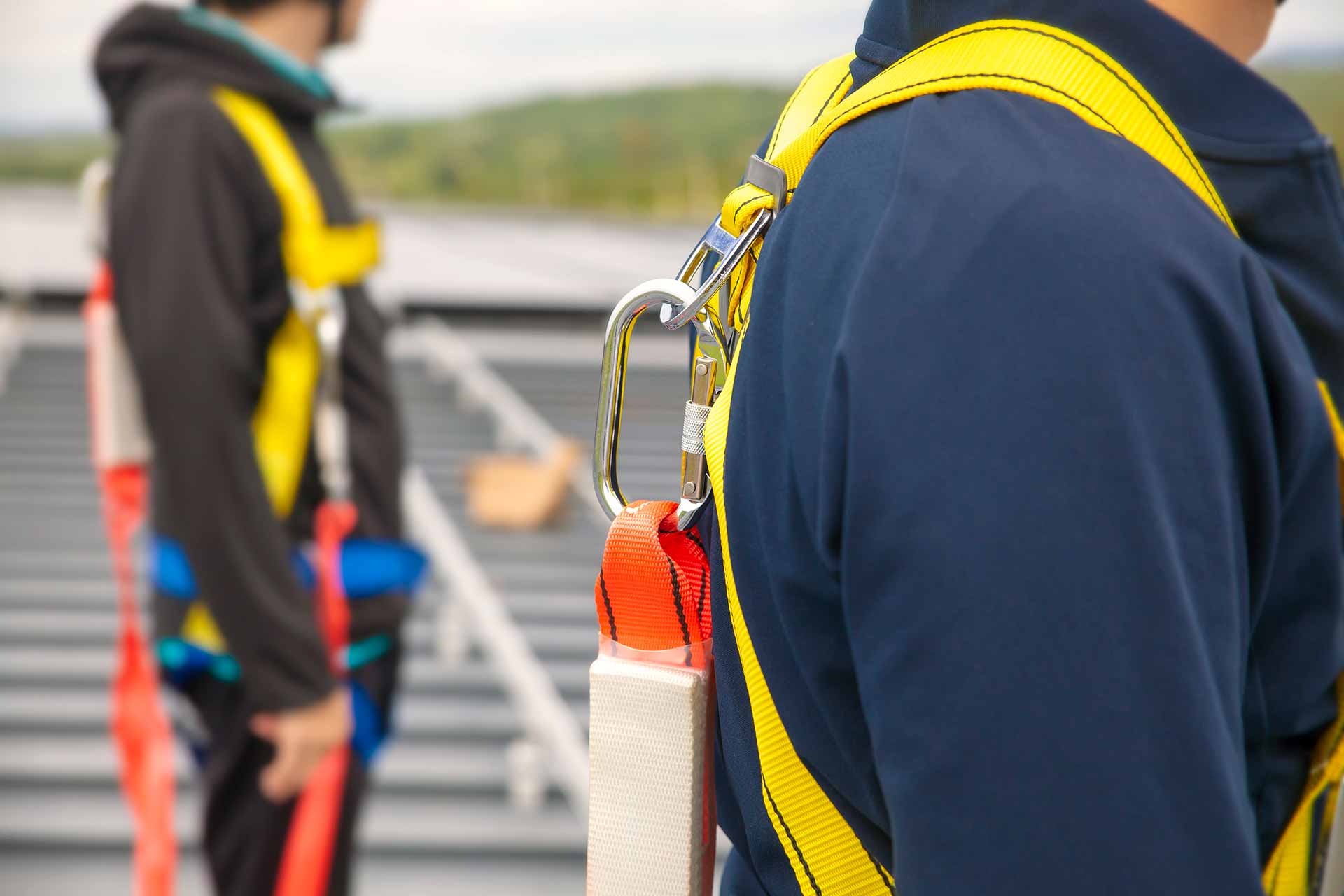
The Foundation of Safe and Compliant Fall Protection Programs
Falls remain one of the leading causes of workplace injuries and fatalities, and OSHA requires a designated Competent Person on worksites where fall hazards exist. GMG’s Competent Person Fall Protection Certification equips supervisors and safety leads with the authority, knowledge, and confidence to identify hazards, correct unsafe conditions, and enforce compliance with OSHA’s fall protection standards. With certified leaders in place, your business reduces risks, prevents costly incidents, and protects its workforce.
What's Included
What to Expect During Your Assessment
Our Competent Person Fall Protection Certification program covers everything required to meet OSHA standards and keep your workplace safe:
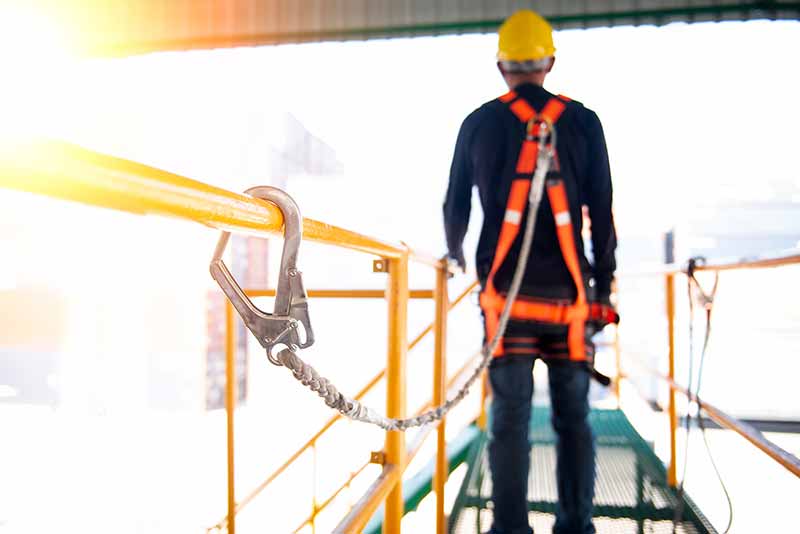
Hazard Recognition & Evaluation
Training to identify fall hazards in scaffolding, ladders, roofing, elevated platforms, and more.
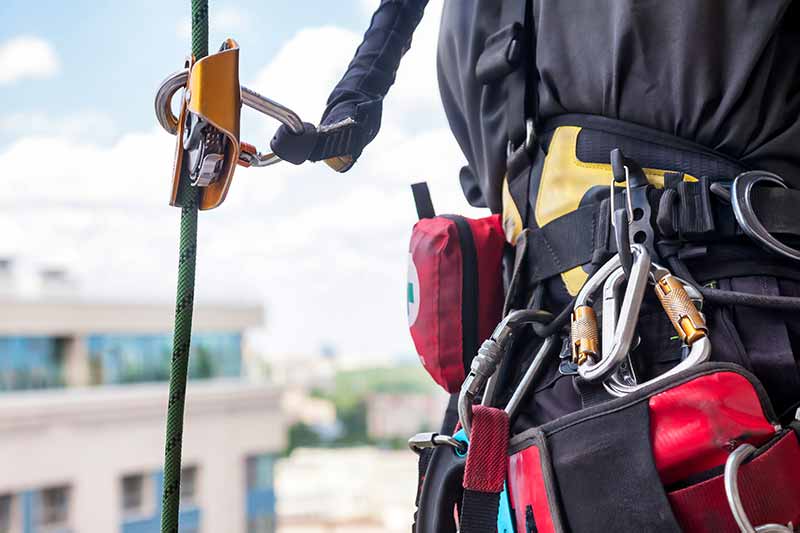
Regulatory Compliance
In depth instruction on OSHA construction and general industry fall protection standards.
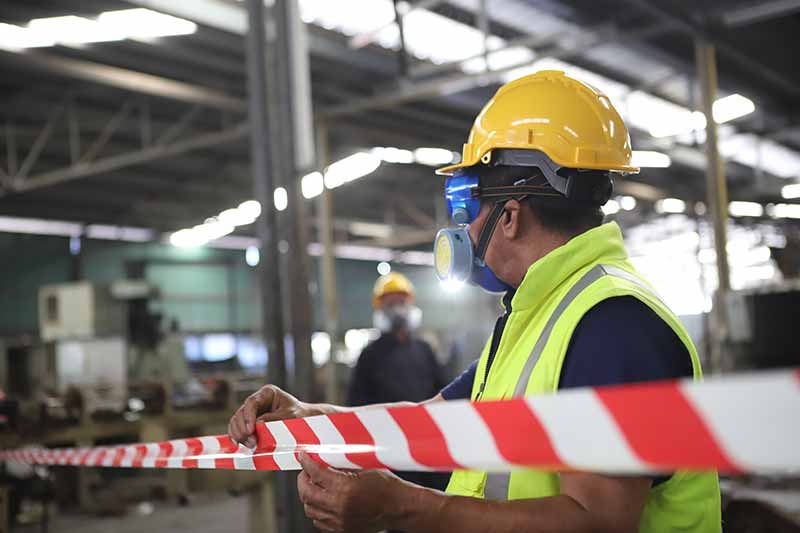
Corrective Action Authority
Empowerment for Competent Persons to take immediate steps when hazards are identified.
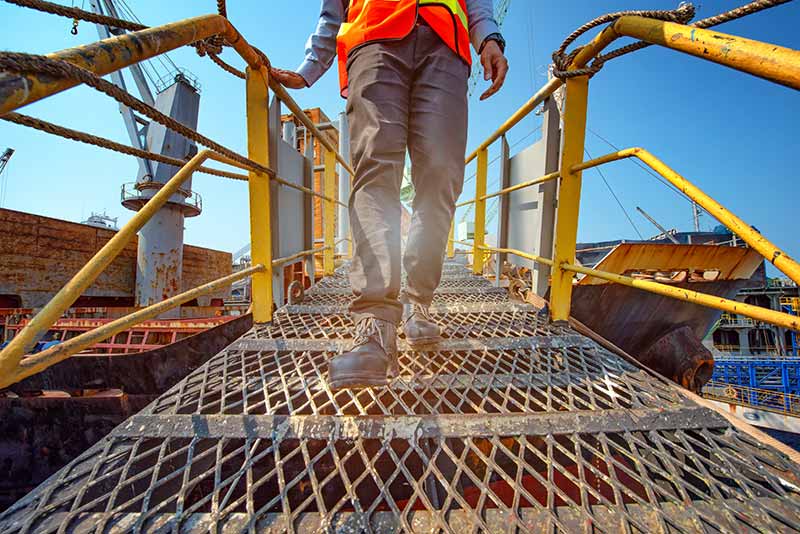
Fall Protection Systems
Education on proper selection, use, and inspection of harnesses, lanyards, lifelines, anchors, and guardrails.
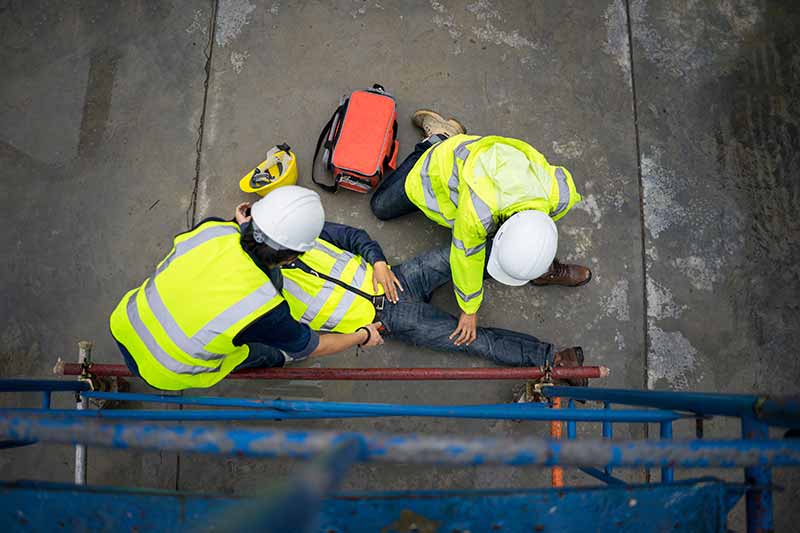
Rescue & Emergency Preparedness
Guidance on planning and responding effectively if a fall occurs.
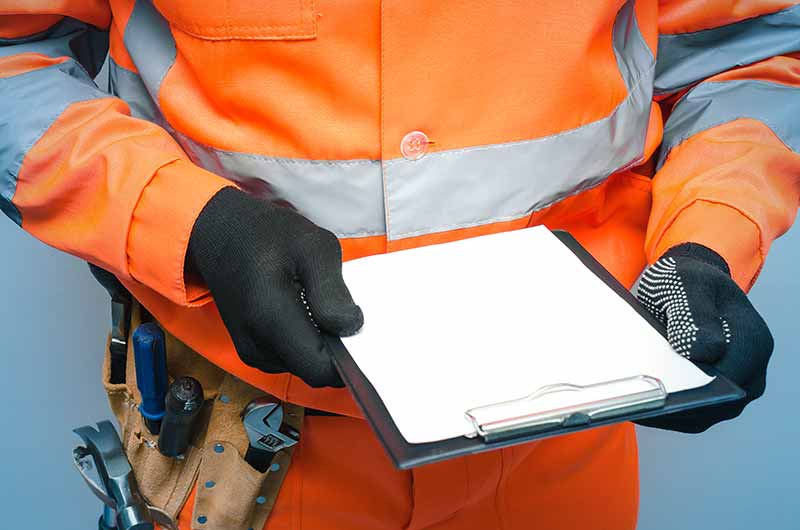
Documentation & Recordkeeping
Best practices for maintaining compliance records and preparing for inspections.
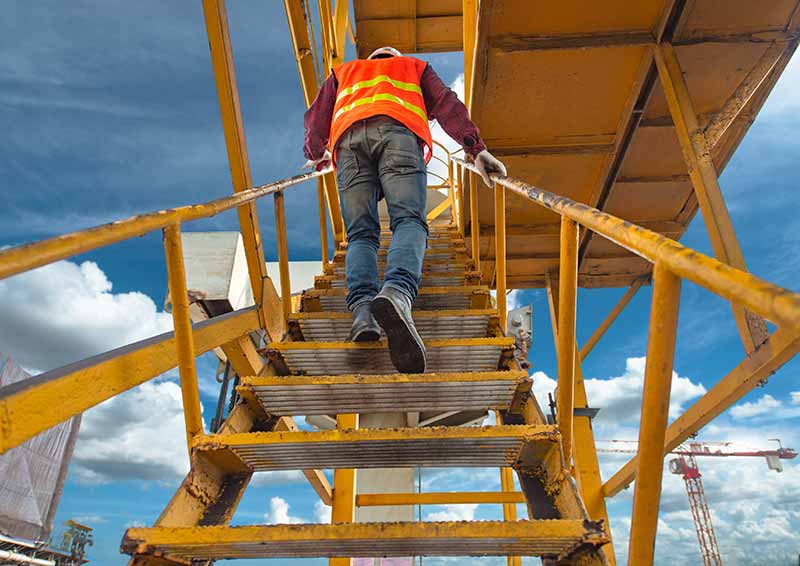
Who Is This Service For
The Right Choice for Employers with Fall Hazards
This certification is designed for industries where employees work at height, including construction, manufacturing, warehousing, utilities, telecommunications, and maintenance operations. OSHA requires employers to have Competent Persons on-site whenever fall protection systems are used, making this training critical for compliance and risk reduction.
Book a Demo
Why It Matters
Prevent Costly Incidents and Strengthen Safety Oversight
Falls are not only dangerous but expensive, leading to workers’ comp claims, OSHA fines, and project delays. By certifying Competent Persons, employers ensure that leaders are capable of spotting and correcting hazards in real time, reducing liability, preventing incidents, and reinforcing a culture of accountability. Strong oversight lowers claims, keeps projects moving, and protects both employees and the bottom line.
Book a DemoHow It Works
What You Can Expect at Every Step
- 1
Training Needs Assessment
We review your worksites and operations to tailor the course to your environment.
- 2
In-Depth Instruction
Classroom and practical sessions teach hazard recognition, compliance requirements, and corrective actions.
- 3
Hands-On Demonstration
Participants practice inspecting equipment, identifying hazards, and implementing safe practices.
- 4
Certification & Documentation
Successful participants receive Competent Person certification and full compliance records.
- 5
Ongoing Support
GMG provides refreshers, updates, and consultation to maintain compliance as conditions change.
Understanding Competent Person Fall Protection Certification
Clear answers about OSHA requirements, training outcomes, and how certification protects your workforce and your business.
A Competent Person is defined by OSHA as someone capable of identifying existing and predictable hazards and authorized to take prompt corrective measures to eliminate them.
Yes. OSHA requires Competent Persons on sites where fall protection systems are used. Without them, employers risk citations, fines, and increased liability.
Certification typically remains valid for 2–3 years, though refreshers are recommended whenever regulations or jobsite conditions change.
Yes. Participants will inspect fall protection equipment, identify hazards, and practice corrective actions during the course.
Absolutely. We incorporate your actual equipment, procedures, and site conditions to ensure relevance and effectiveness.
Yes. Certified employees receive documentation and wallet cards for employer records and audit purposes.
Construction, warehousing, utilities, telecom, and any industry where employees work at heights or rely on fall protection equipment.
Without certified oversight, employers risk OSHA violations, increased liability, and preventable incidents that could harm workers and halt projects.
Start Building Competence in Fall Protection Today
Empower your supervisors and safety leads to recognize hazards, take corrective action, and protect your team. Schedule your Competent Person Fall Protection Certification training today to strengthen compliance and safeguard your workforce.
Get Compliant Now