Construction
Preparing Construction Sites for Less Daylight
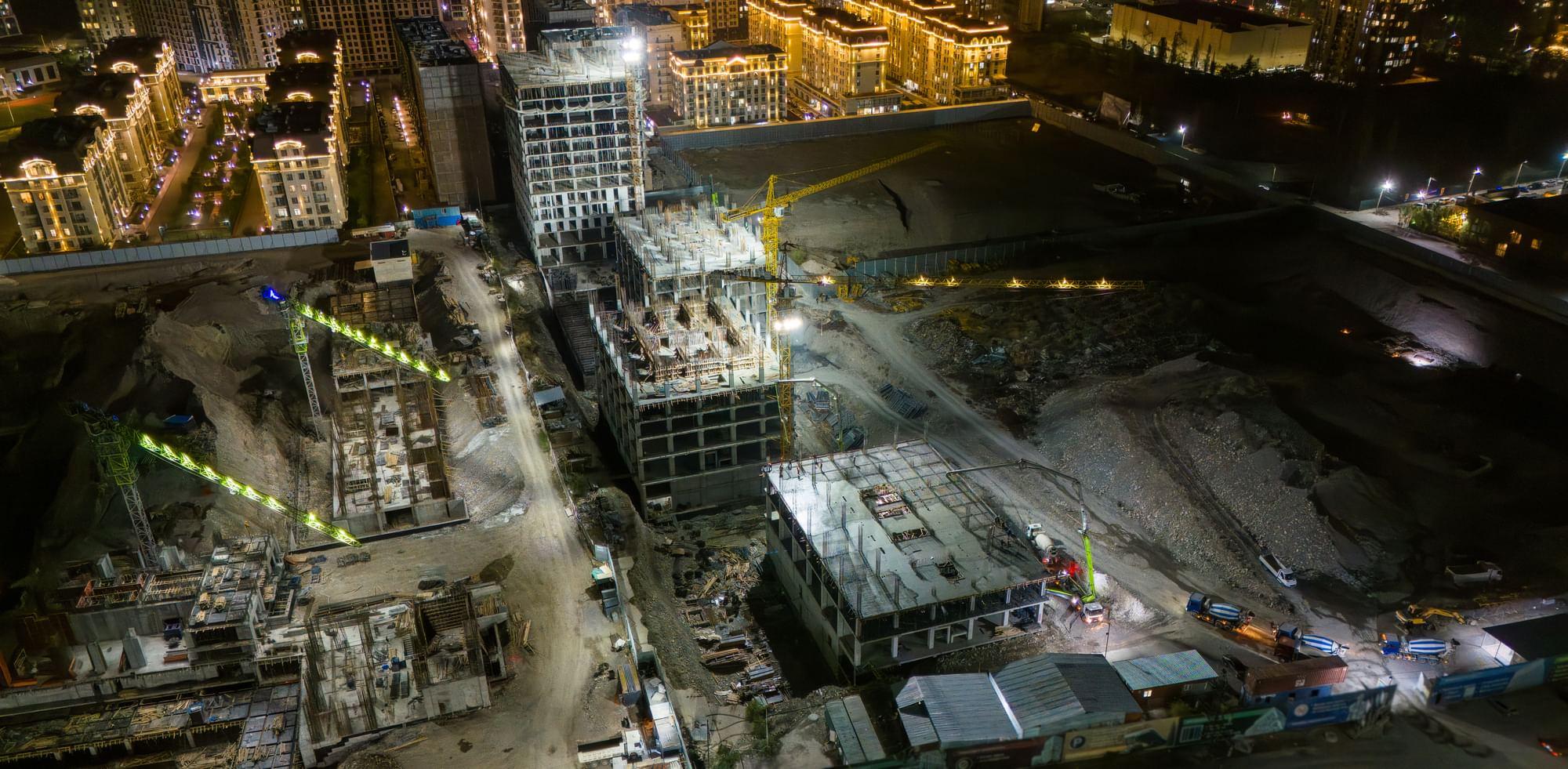
Daylight can disappear before the work does. A crew may still be finishing a pour, moving materials, using an access route, or cleaning up when an area that looked fine an hour earlier becomes difficult to see.
Federal construction rules already specify illumination requirements; however, companies can reduce risk, increase productivity, and improve working conditions by going beyond the regulations.
Start With the Area or Operation
Under the Occupational Safety and Health Administration (OSHA) regulation at 29 CFR 1926.26, construction areas and other listed locations where work is in progress must be lit with natural or artificial illumination. The provision points employers to Subpart D for the minimum illumination requirements.
Table D-3 in 29 CFR 1926.56 does not assign one number to the entire construction site. It sets minimum foot-candle levels by area or tasks. The table specifies 3 foot-candles for listed areas such as excavation and waste areas, access ways, active storage areas, and loading platforms. It lists 5 foot-candles for general construction area lighting and for indoor warehouses, corridors, hallways, and exitways. General construction plants and shops are listed at 10 foot-candles, while first-aid stations, infirmaries, and offices are listed at 30.
Those categories need to be matched to the work before a reading is judged. Applying one familiar number everywhere can miss a higher requirement or compare the wrong location with the wrong row.
Check Conditions When Crews Are There
Review the site as the shift starts and in the final minutes before it ends, when reduced daylight can come into play. Look at all areas, stairs, access routes, storage areas, and work zones that have changed since the lighting was installed.
Shadows, glare, and equipment or materials that change light distribution are practical visibility concerns. Keep in mind OSHA specifies minimums for certain areas, and following only the minimum can give you minimum results when it comes to illumination. As the workforce ages, vision can fade, so best practice is to ensure a well-lit site for everyone.
Add Temporary Lighting Without Adding an Electrical Hazard
Temporary lights may be the right response when natural light is no longer present, but they are also electrical equipment. Under 29 CFR 1926.405, lamps used for general illumination must be protected from accidental contact or breakage, and metal-case sockets must be grounded. Temporary lights may not be suspended by their electric cords unless the cords and lights are designed for that use.
Protect flexible cords and cables from damage. Avoid sharp corners and projections, and protect cords or cables passing through doorways or other pinch points to prevent damage.
Portable combustion engine-powered light plants also come with concerns such as heat sources, fueling hazards, and potential carbon monoxide challenges in enclosed areas. Fixture placement, maintenance planning, and checking whether moving work or materials changes lighting effectiveness are practical review points for every job site.
Confirm the Project-Specific Requirements
If shorter days are changing what crews can see during working hours, contact GMG to review where the site may need a closer look. Keep in mind Federal OSHA and State regulations are the baseline.
GMG EnviroSafe can help assess current jobsite conditions, document and organize compliance gaps.
Contact us today
Sources
(1) Electronic Code of Federal Regulations. 29 CFR 1926.26, Illumination. https://www.ecfr.gov/current/title-29/subtitle-B/chapter-XVII/part-1926/subpart-C/section-1926.26
(2) Electronic Code of Federal Regulations. 29 CFR 1926.56, Illumination, including Table D-3. https://www.ecfr.gov/current/title-29/subtitle-B/chapter-XVII/part-1926/subpart-D/section-1926.56
(3) Occupational Safety and Health Administration. Standard Interpretation, Requirements for Minimum Illumination at Construction Sites (May 8, 1991). https://www.osha.gov/laws-regs/standardinterpretations/1991-05-08-1
(4) Electronic Code of Federal Regulations. 29 CFR 1926.405, Wiring Methods, Components, and Equipment for General Use. https://www.ecfr.gov/current/title-29/subtitle-B/chapter-XVII/part-1926/subpart-K/section-1926.405
(5) Occupational Safety and Health Administration. State Plans, Frequently Asked Questions. https://www.osha.gov/stateplans/faqs