Construction
Construction Incident Investigations: Why Most Stop Short of Preventing the Next Event
Most construction incident investigations end the same way: a form is completed, the corrective action reads "retrain worker on procedure," and the project moves on. The hazard that produced the incident may still exist on three other active sites within the same company, unchanged.
The problem is not that investigations are being skipped. It is that they stop at what happened without addressing why the conditions that allowed it to exist. That distinction is the difference between documenting an incident and preventing the next one.
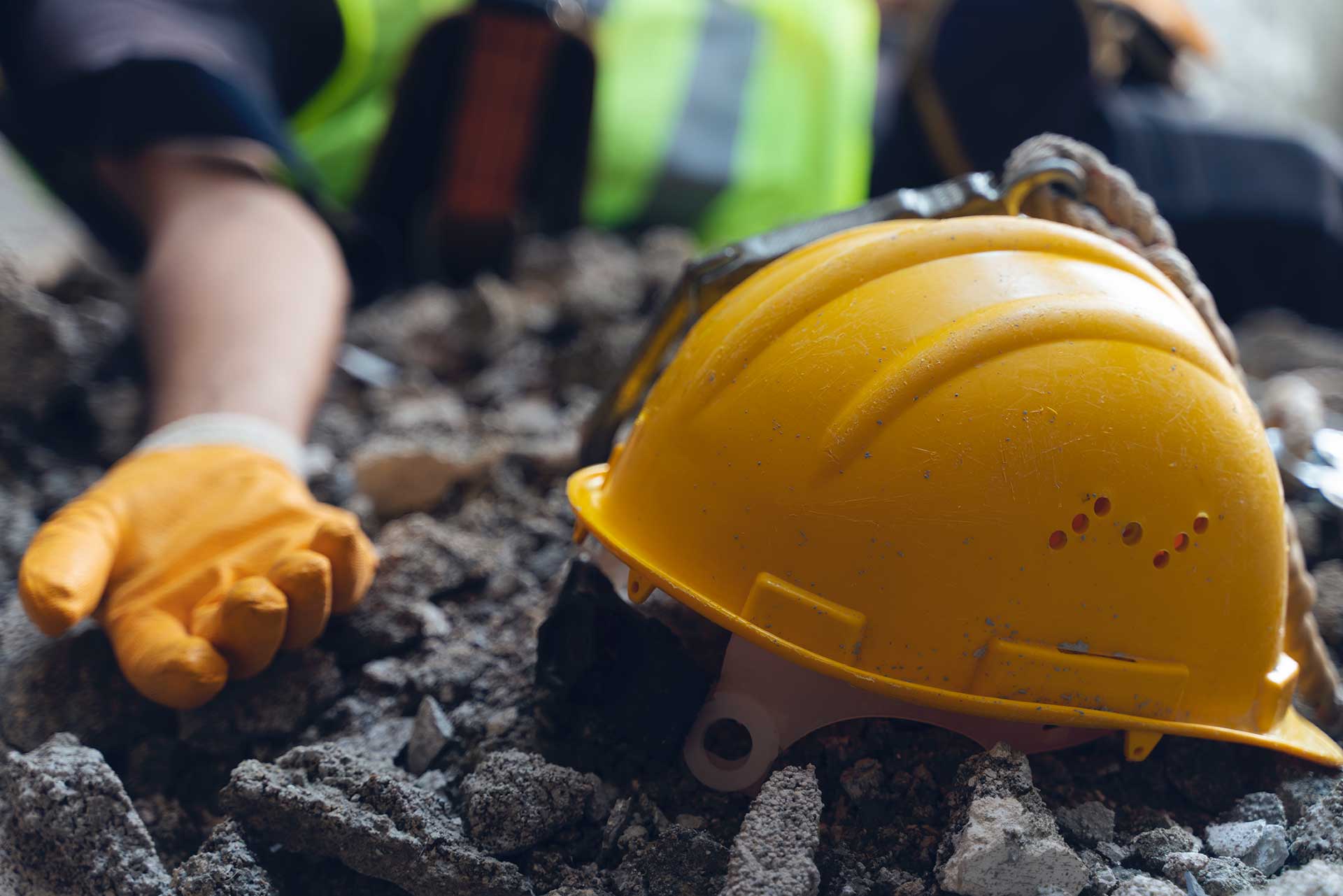
In 2024, 1,032 construction workers died on the job, and falls, slips, and trips alone accounted for 38% of those fatalities. (1) The same hazard categories appear in OSHA's most-cited standards year after year. These patterns are not random. They persist because organizations correct the immediate issue without addressing the system that produced it.
Why Construction Sites Are Especially Vulnerable to Repeat Incidents
Repeat events are not always the same incident happening twice at the same location. They are similar hazards appearing again, with a different worker, on a different site, under similar conditions, producing an undesirable outcome because the underlying cause was never addressed.
Construction is a dynamic environment. Conditions change frequently as work progresses. Multiple trades operate in shared spaces with overlapping responsibilities. New workers arrive mid-phase. Schedules get delayed or advanced. A static investigation process cannot keep pace with a constantly changing site.
Repeat incidents in construction follow predictable patterns: fall protection failures, struck-by exposures between equipment and pedestrians, coordination gaps between trades, incomplete pre-task planning, and production pressure that reduces verification of controls. These are system failures, not isolated mistakes.
Immediate Cause vs. Root Cause: Where Prevention Actually Lives
The most consistent failure in construction investigations is accepting the immediate cause as the final answer.
"Worker was not tied off." "Employee entered the line of fire." These observations describe the last moment before an incident. They do not explain why the situation existed or what allowed it to develop. OSHA guidance is clear: investigations focused on fault will never reach root causes because they stop at the incident rather than examining the conditions that produced it. (3)
Root causes are the underlying system failures that, if corrected, would prevent the event from recurring. The 5 Whys technique makes this accessible: starting from the incident, ask why it occurred, then keep asking why at each answer until a system-level condition is reached. If the analysis stops at worker behavior, it is incomplete.
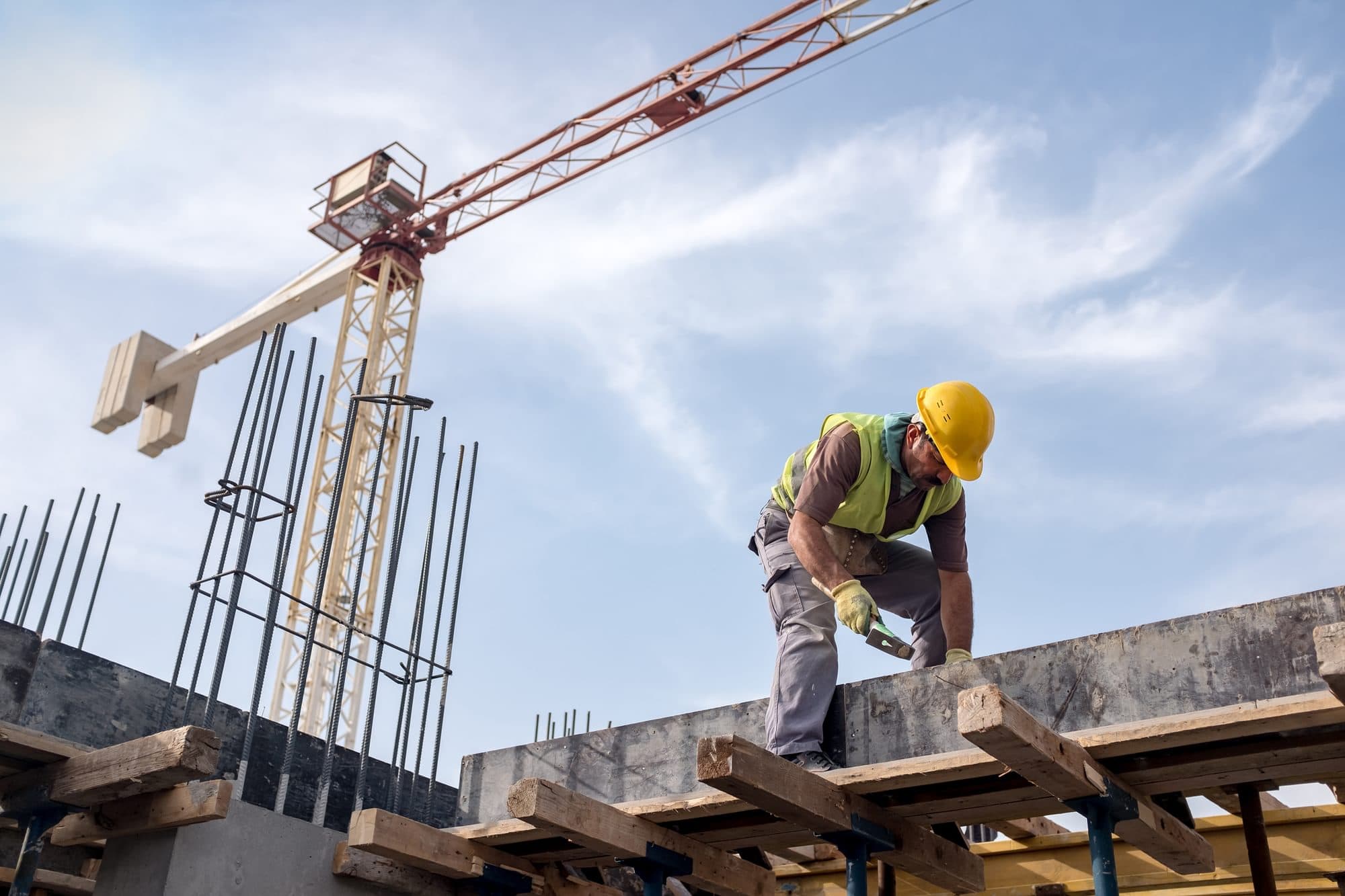
A concrete example: a worker falls from an unguarded leading edge. The immediate cause is the missing guardrail. A deeper investigation finds the guardrail had been removed for material delivery, the pre-task plan did not include a step to verify fall protection restoration before crews returned, and the planning template used across all projects never required that verification.
Replacing the guardrail corrects the incident. Changing the planning system prevents the next fall. Implementing a periodic routine verification system; i.e. regular job site assessments to ensure the planning system executing is paramount.
Where Construction Investigations Break Down
Near misses are not investigated. Research indicates that for every serious injury, approximately 300 near misses involving similar conditions preceded it. (2) Organizations that investigate only recordable events leave the hazard pattern intact. When close calls go unreported or unexamined, the next crew inherits the same risk.
Subcontractor interfaces are overlooked. Many construction hazards live at the boundary between trades. An incident involving one worker may trace back to sequencing decisions, unclear site authority, or coordination failures across employers. Investigations limited to the injured worker's employer miss the broader system that created the condition. Under OSHA's Multi-Employer Citation Policy, controlling contractors can be cited for hazards they did not directly create. (4) The investigation must examine how trades were coordinated, not just what one worker did.
Production pressure is not examined. Schedule demands and throughput expectations are not background factors. They are often direct contributors to unsafe decisions. When crews are behind and verification steps take time, shortcuts follow. When supervisors are rewarded for pace rather than control compliance, enforcement gaps follow. An investigation that does not examine the production environment surrounding an incident will produce corrective actions that leave the real cause untouched.
Blame limits visibility. When investigations focus on individual fault, workers stop reporting near misses and unsafe conditions. The organization loses visibility into recurring risk before it becomes a recordable event. A blame-focused investigation does not just miss the root cause once. It closes off the reporting that would have revealed the pattern.
What a Prevention-Focused Construction Investigation Includes
An investigation that prevents repeat events evaluates the work system, not just the injured worker.
- Immediate documentation captures photographs, equipment positions, safety systems, access conditions, lighting, and housekeeping before the site changes and evidence is lost.
- Multi-source information includes workers, supervisors, and subcontractors involved in the task, witnesses, pre-task plans, permits, job hazard analyses, inspection records, and prior safety observations. The goal is understanding what normal conditions looked like and what changed.
- Cross-project relevance means findings are evaluated against other active sites and phases. If the same condition can exist elsewhere, the corrective action must extend beyond the original project.
An investigation process is only as effective as the system it feeds into. Findings that remain on a single project's file produce nothing for the crews elsewhere.
What Corrective Actions Must Do to Prevent Recurrence
A completed investigation report is not prevention. Verified corrective action is prevention. (3)
Corrective actions must address root causes, not incidents. Training and retraining is appropriate only when the issue is a genuine knowledge gap. When the cause involves planning, supervision, coordination, or site conditions, those systems must change. A corrective action that does not change the condition that produced the incident will not prevent the next one.
Each action must have a named owner, a defined timeline, and a verification step that confirms the change was implemented in the field, not assumed complete on paper. For systemic findings, corrections must be applied across the organization. The hazard pattern that produced one incident will produce the next one if the organizational fix does not reach every site where that pattern can exist.
Construction EHS Support from GMG EnviroSafe
GMG EnviroSafe works with construction clients to identify where investigation programs are producing reports without producing change, and to refine those programs around the system-level findings that actually prevent repeat events. That means training supervisors to reach root causes rather than stopping at behavior, developing corrective action processes that track implementation and verify results, and building the organizational mechanisms that carry findings from one project to every other site where the same condition could exist.
If you want to build an investigation program that prevents repeat events rather than just documents them, we are ready to help.
Contact GMG EnviroSafe to review your construction incident investigation program and make sure your findings are producing changes that protect the next crew.
Sources
(1) U.S. Bureau of Labor Statistics. (2025). National Census of Fatal Occupational Injuries in 2024. https://www.bls.gov/news.release/pdf/cfoi.pdf
(2) OSHA. (2024). Incident Investigation Overview. https://www.osha.gov/incident-investigation
(3) OSHA. (2015). Incident [Accident] Investigations: A Guide for Employers. https://www.osha.gov/sites/default/files/IncInvGuide4Empl_Dec2015.pdf
(4) OSHA. (1999). Multi-Employer Citation Policy. CPL 2-0.124. https://www.osha.gov/enforcement/directives/cpl-02-00-124
(5) CPWR. (2024). Data Bulletin: Fatal and Nonfatal Falls in the U.S. Construction Industry. https://www.cpwr.com